Reaching out
17-19 September 2024
Zukunftskolleg Scientific Retreat at Hohenfels Castle
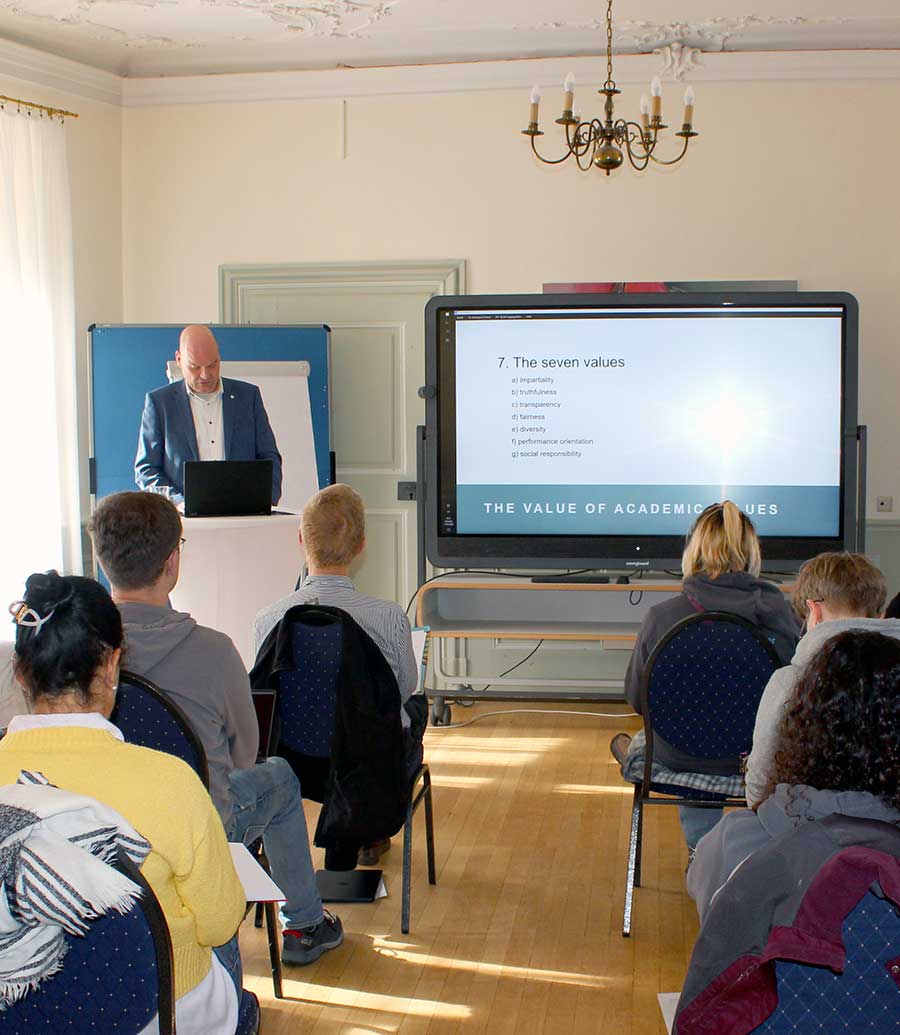
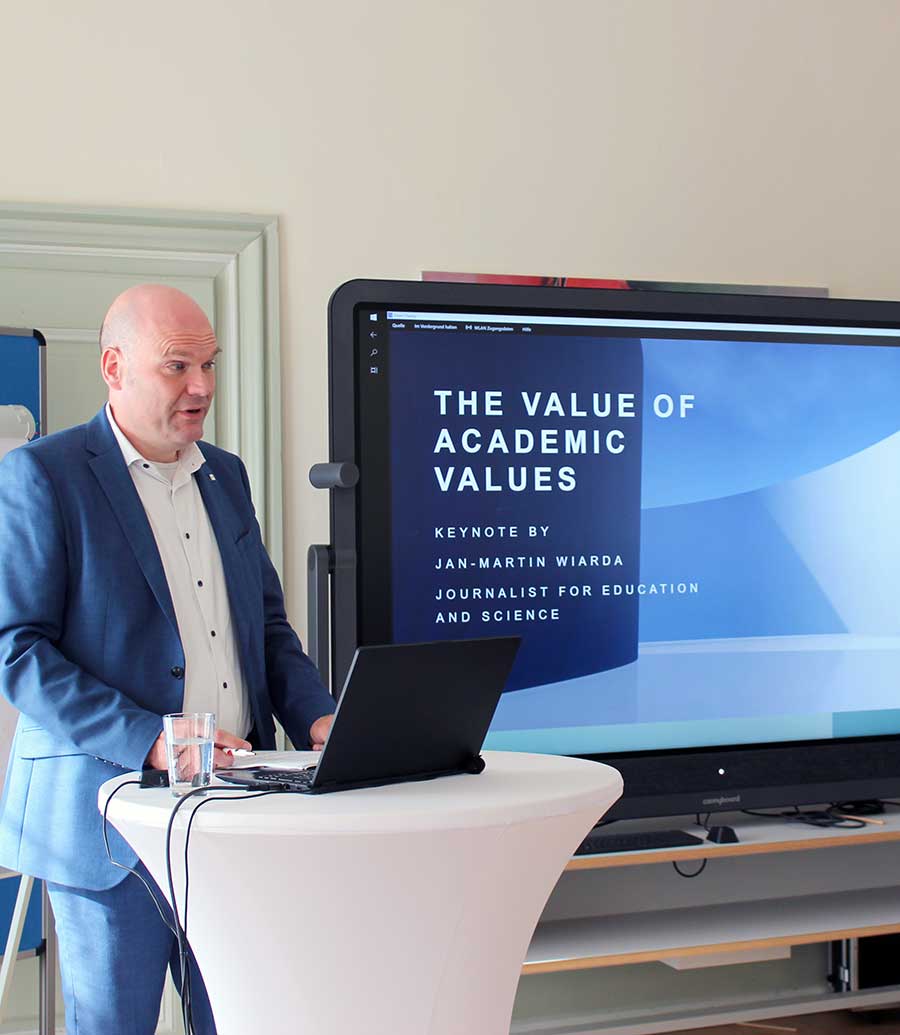
From 17 to 19 September, the Zukunftskolleg members gathered at Hohenfels Castle for their Scientific Retreat. The topic of the retreat was “Academic Values”, since the fellows decided – after a Jour fixe discussion in January 2024 – that “academic values” are so important and topical that they should be discussed at the Zukunftskolleg’s Scientific Retreat. To gain an outside perspective on the topic, Jan-Martin Wiarda, a well-known education and science journalist in Germany, was invited to give a public lecture at Hohenfels Castle. He kicked off the Scientific Retreat on Tuesday afternoon and spoke about “The Value of Academic Values”. Without claiming to present a complete list, he presented “his” seven academic values – impartiality, truthfulness, transparency, fairness, diversity, performance orientation and social responsibility – and talked about their interdependencies and what they should mean both to academics at the beginning of their scientific career and to academic institutions. On Wednesday, the fellows continued their discussion about academic values, which was moderated by Harald Kühl (die regionauten). The final goal of this workshop was to write a value statement about the Zukunftskolleg. The Scientific Retreat ended with a dinner and get-together in the evening and a trip to Überlingen the next day.
24 September 2024
Summer School in Kosovo
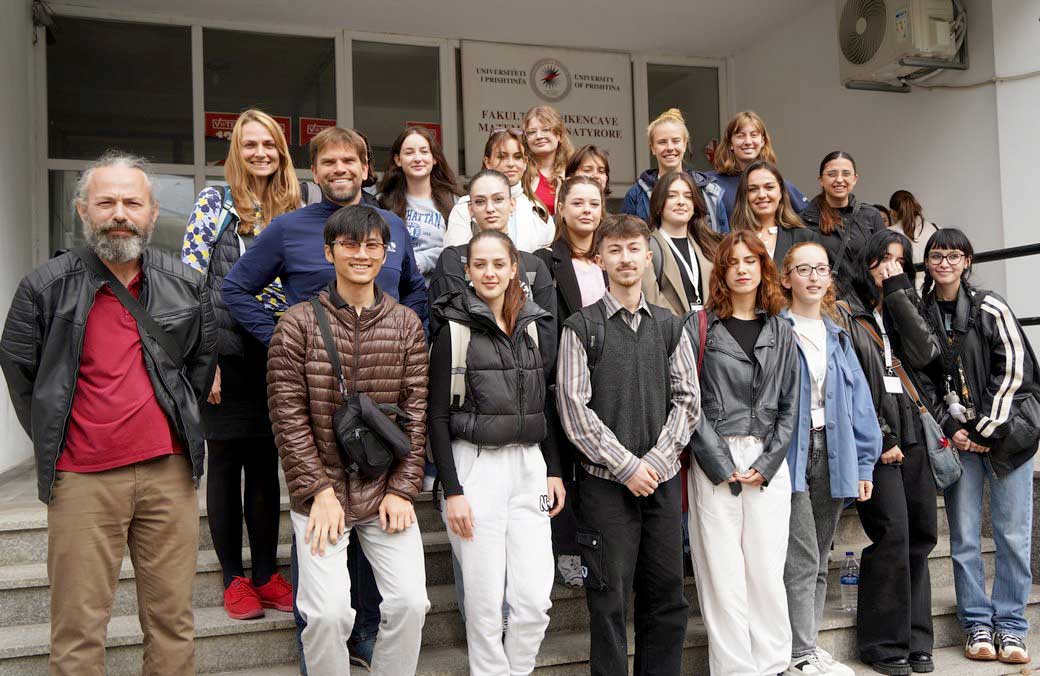
Initiated by Research Fellow Armin Bahl, six researchers from the University of Konstanz’s Centre for the Advanced Study of Collective Behaviour offered an exciting week of teaching in Prishtina. They organized the 1st Summer School for Behavioural Neurobiology in Kosovo. Around 20 undergraduate students from the University of Prishtina had the opportunity to obtain a hands-on perspective of the research landscape in Konstanz. Read more
05 November 2024
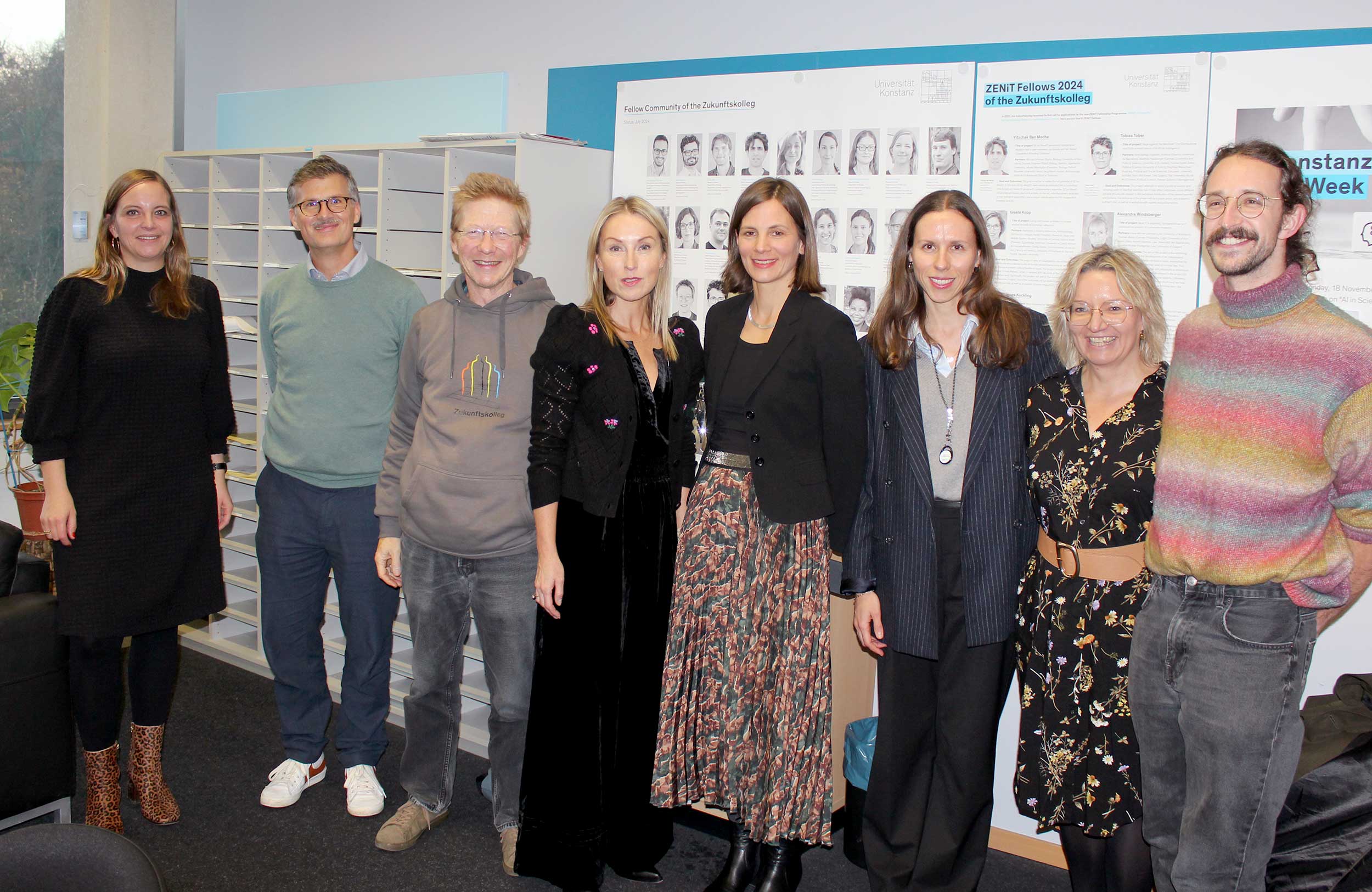
Konzilspreis winner visits the Zukunftskolleg
The City of Konstanz awards a biannual prize to personalities in recognition of their engagement for Europe. In 2024, Professor Margarita Šešelgytė (Vilnius University, Institute of International Relations and Political Science) was the awardee, the laudatory speech was given by Dr Dalia Grybauskaité, former president of Lithuania. Margarita Šešelgytė also took the opportunity to meet with students and researchers at the University of Konstanz and the Zukunftskolleg before the award ceremony on 5 November at the Bodenseeforum Konstanz.
15 November 2024
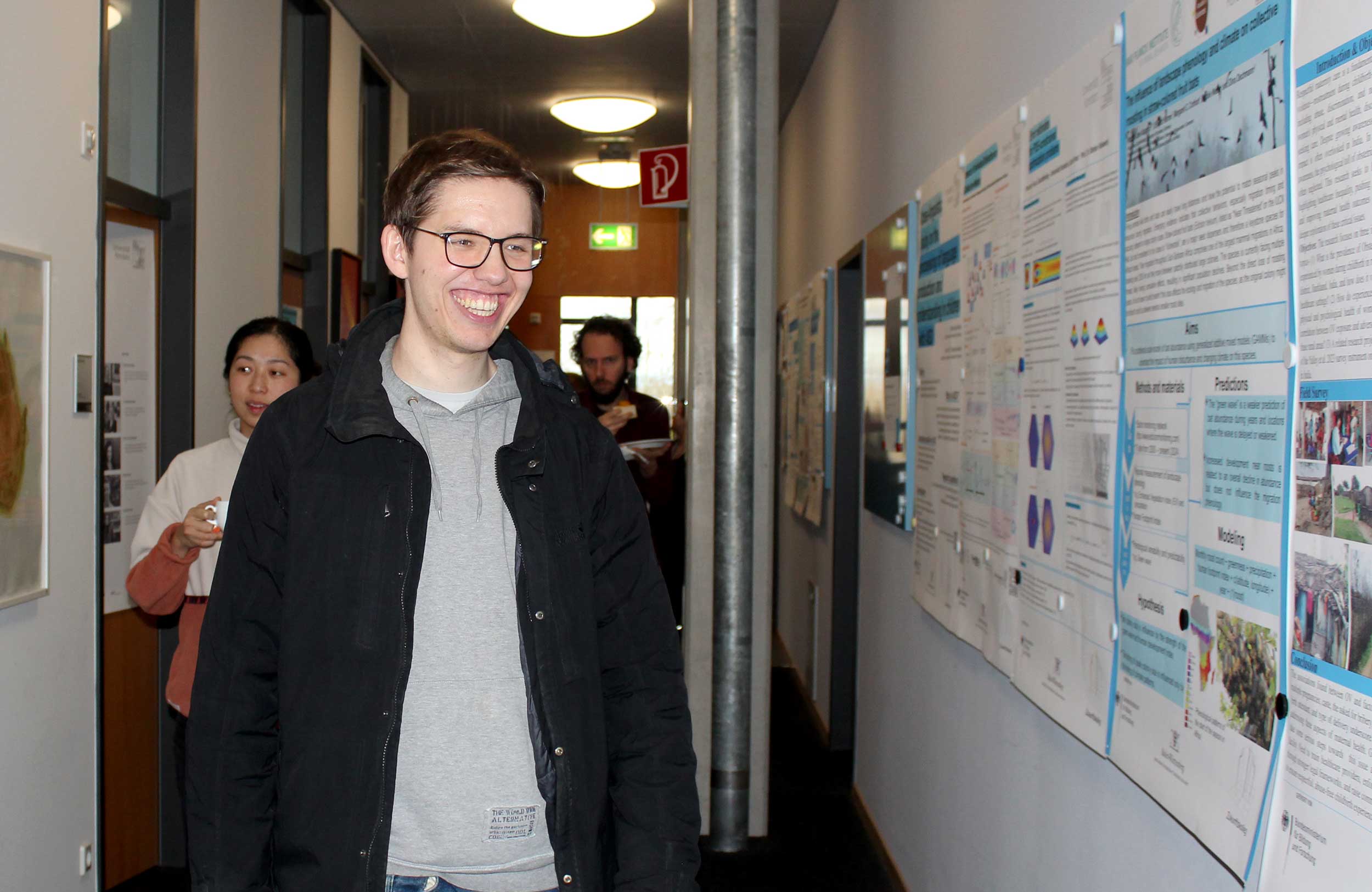
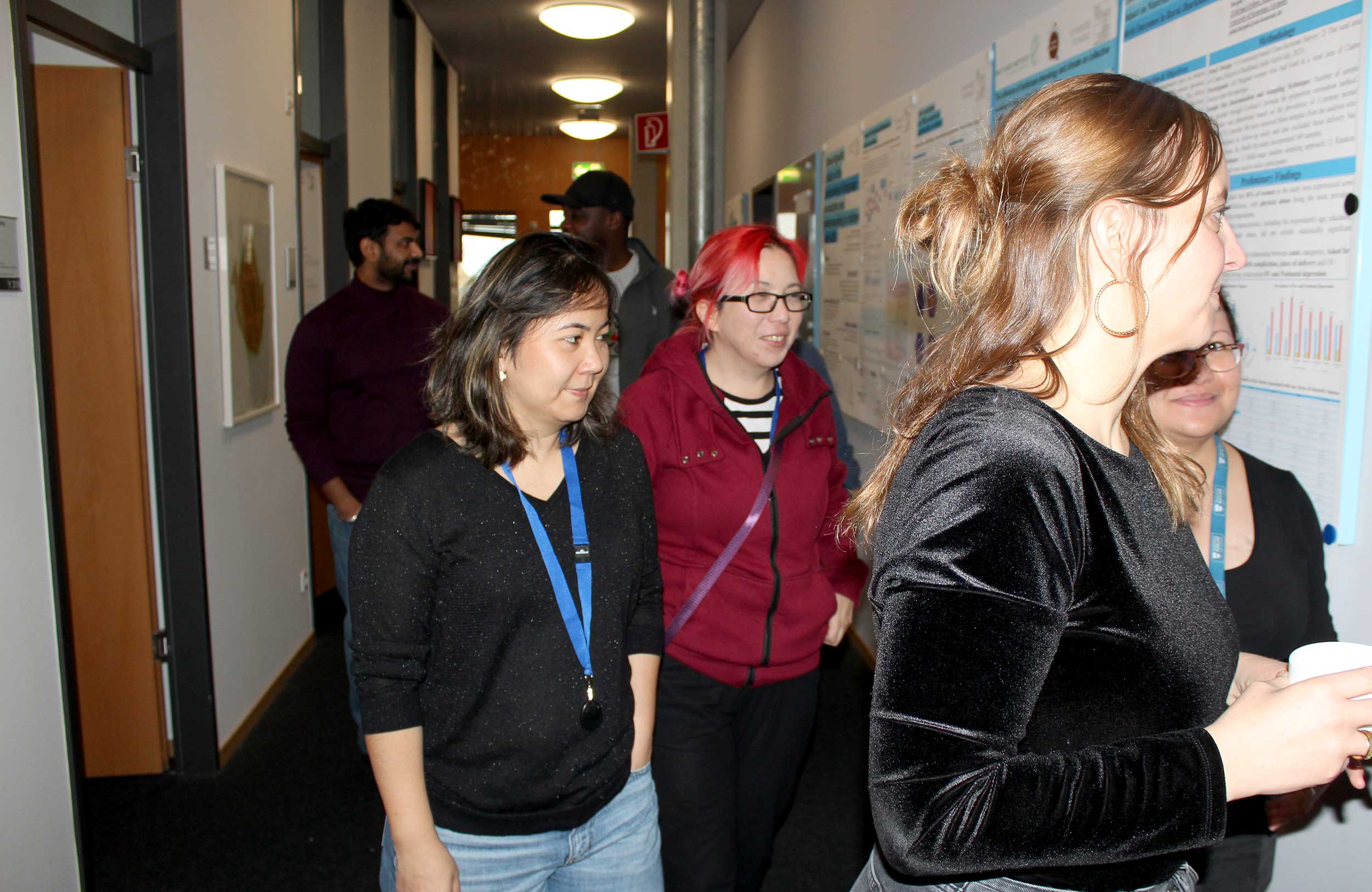
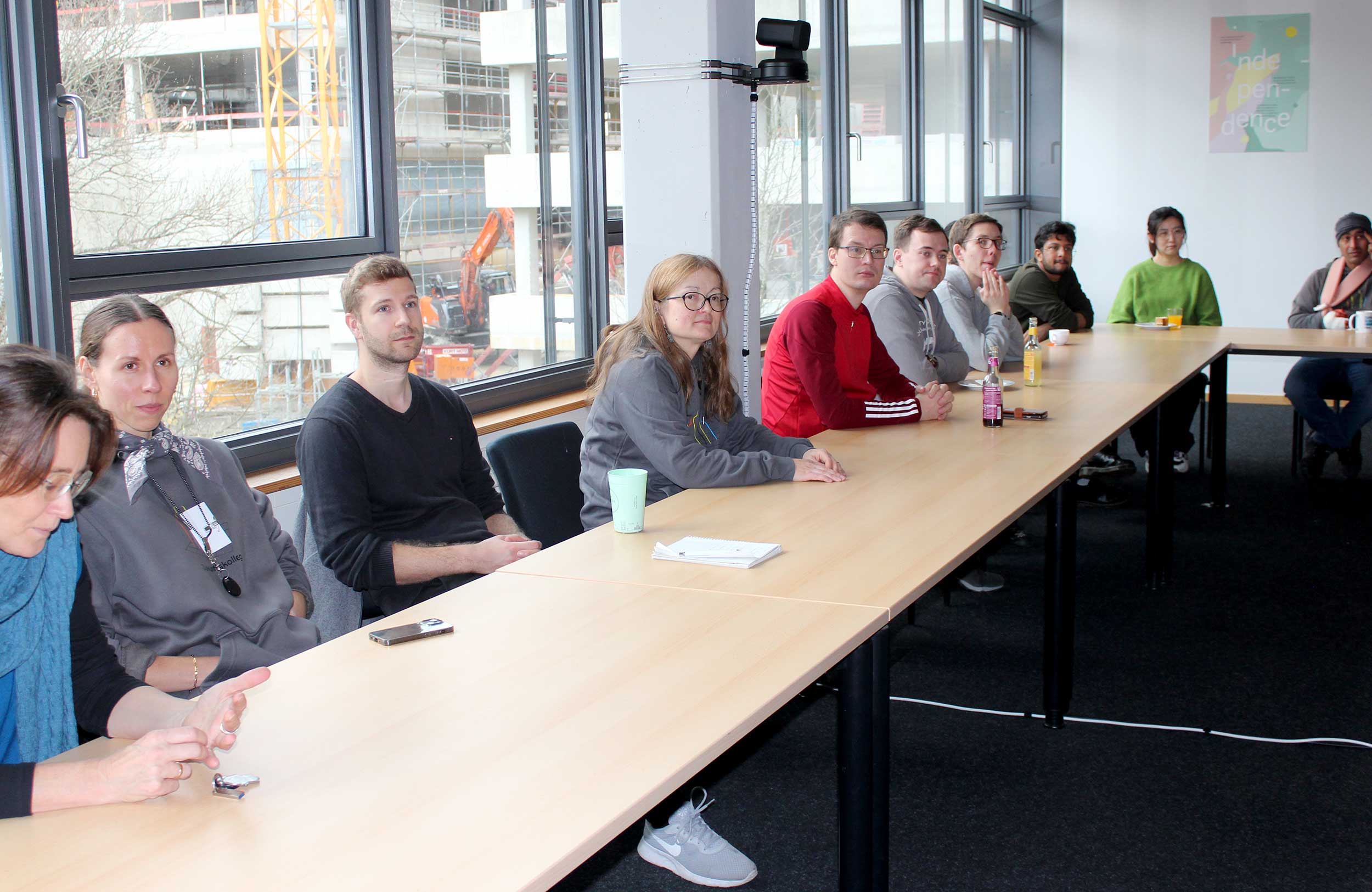
University Day 2024: Exploring Nature Around the World
On 15 November, the Zukunftskolleg organized a University Day in collaboration with the Hegau Bodensee Seminar entitled “Exploring Nature Around the World”.
19 November 2024
First Konstanz Postdoc Week
Academic Staff Development invited postdoctoral researchers, junior research group leaders and junior professors to join them from Monday, 18 November, to Friday, 22 November, for information on academic careers and alternative career paths, networking and orientation.
A highlight was the festive opening event on Monday, 18 November, at 5.00 p.m. at K7 with an interactive fishbowl discussion on artificial intelligence in science and a reception with information stands by Support Services.
A variety of workshops, lectures and social events were offered to support research and teaching activities, understand the German academic system and prepare for the next career steps. The university’s Support Services presented valuable information on proposal writing, technology transfer, academic contracts, international mobility, science communication, research data management, and much more. Additional events took place at the Zukunftskolleg and in some departments.
On 19 November, the Zukunftskolleg offered an Open Jour fixe / Zukunftskolleg Open door, providing the possibility to meet other postdoctoral researchers from the university, share experiences with them and present research projects.
More information is available under asd-veranstaltungen.uni-konstanz.de/fruehe-postdoc-phase/event.php?vnr=575-110
27 November 2024
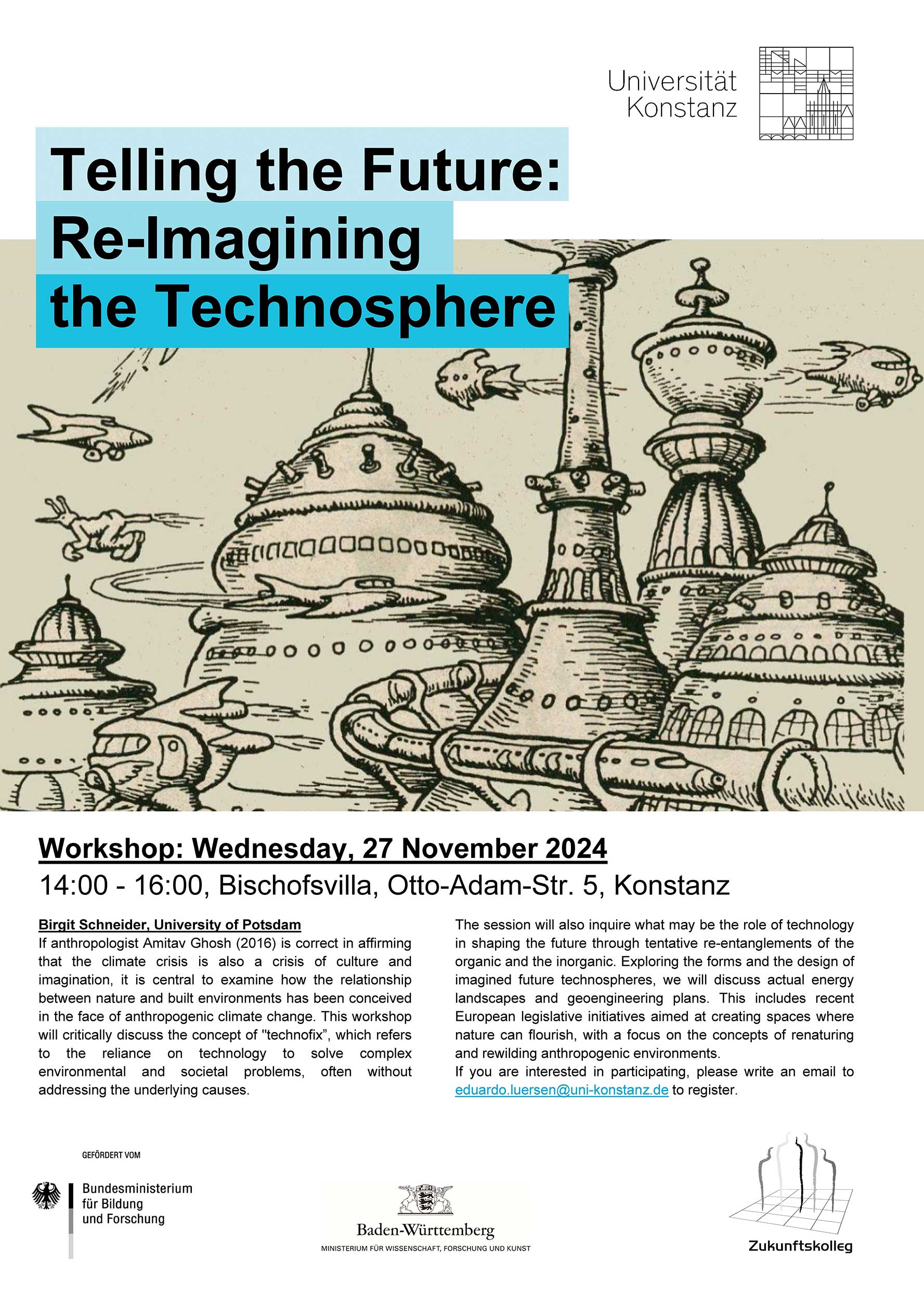
Workshop “Telling the future: Re-imagining the technosphere”
On 27 November, the event “Telling the future: Re-imagining the technosphere” organized by Eduardo Luersen (Postdoctoral Fellow / Literature) took place, featuring keynote speaker Birgit Schneider (Department of Arts and Media, University of Potsdam).
“At the Bischofsvilla, we brought together an intergenerational and interdisciplinary group of researchers with diverse scientific experience and from fields of knowledge as varied as chemistry, literature, sociology, biology, political science, computer science, art history and media studies,” says organizer Eduardo Luersen.
The event explored images of the future that circulate widely in both scientific and popular imaginaries, including AI-generated images, while also seeking to probe other, more speculative visualizations. Starting with traditional and often teleological images that present utopian, eschatological or nostalgic visions of the relationship between technology and nature, the group aimed to inquire into these historical depictions, navigating the spaces between them to envision more ambiguous alternatives. Within these nuances, aesthetic exploration enables a critique of existing imagery while also probing images that can introduce contrast and dissonance to the prevailing narratives of technological solutionism, on the one hand, and the idealized return to pristine, untouched nature, on the other.
Following a keynote speech by Birgit Schneider, participants were given a diverse and extensive collection of printed images. Organizing these images by elective affinities, participants formed groups to discuss, interpret and create visual maps from their constellations of images. In a world café format, each group presented a brief critical interpretation of their image sets, debating, among other questions, what role technology might play in shaping the future through tentative re-entanglements of the organic and the inorganic.
The event was part of a series of collaborations between Birgit Schneider and Eduardo Luersen established in Potsdam and Konstanz since the winter of 2023. These initiatives have been supported by the Zukunftskolleg and the Centre for Cultural Inquiry (ZKF) at the University of Konstanz. The workshop was followed by a public lecture on “Climate Images, Climate Cultures: Studying Aesthetics of Meteorology in Art and Science”, delivered by Birgit Schneider as part of the ZKF’s “New Directions in Cultural Inquiry” series.
10 December 2024
Public Panel “What makes us human?”
In the framework of the workshop “What makes us human?” – in collaboration with the Martin Buber Society of Fellows in the Humanities and Social Sciences in Jerusalem – a public panel discussion entitled “What makes us human?” took place in the Bürgersaal of the City of Konstanz.
The panel brought together international experts from both the natural sciences and the humanities to explore these issues in an interdisciplinary dialogue.
Read more in Story 13 or watch the video of the event:
streaming.uni-konstanz.de/talks-und-events/2024/public-panel-discussion-what-makes-us-human/
12 December 2024
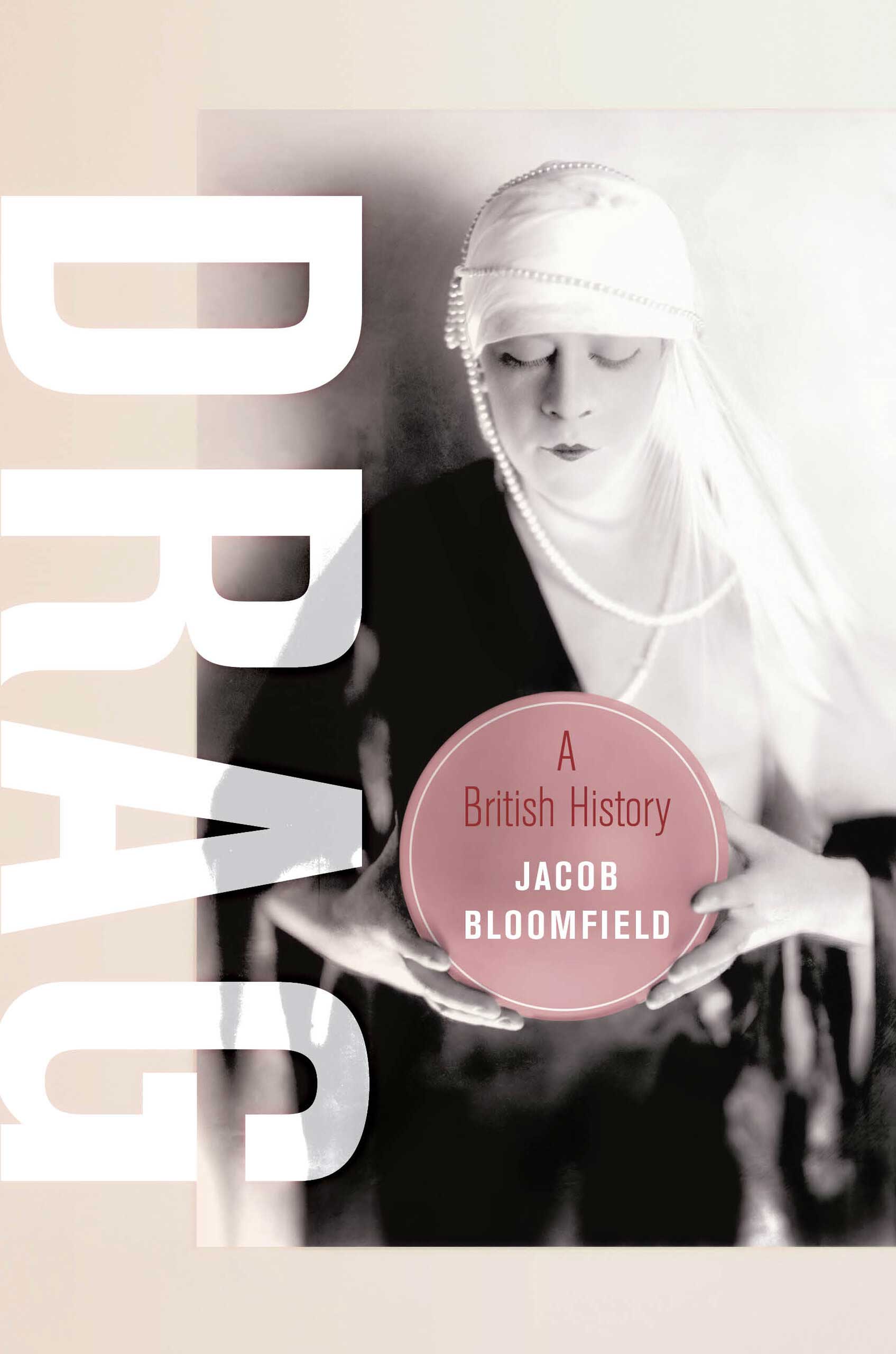
Workshop “Intro to Drag History”
Jacob Bloomfield gave a public online workshop entitled “Intro to Drag History”. In this part-lecture, part-interactive workshop, he guided the participants through the vibrant history of drag in British popular culture, exploring fascinating anecdotes and important methodologies that have shaped the art form.
The purpose of the workshop was to provide fresh perspectives on drag’s evolution and significance to everyone interested.
07 January 2025
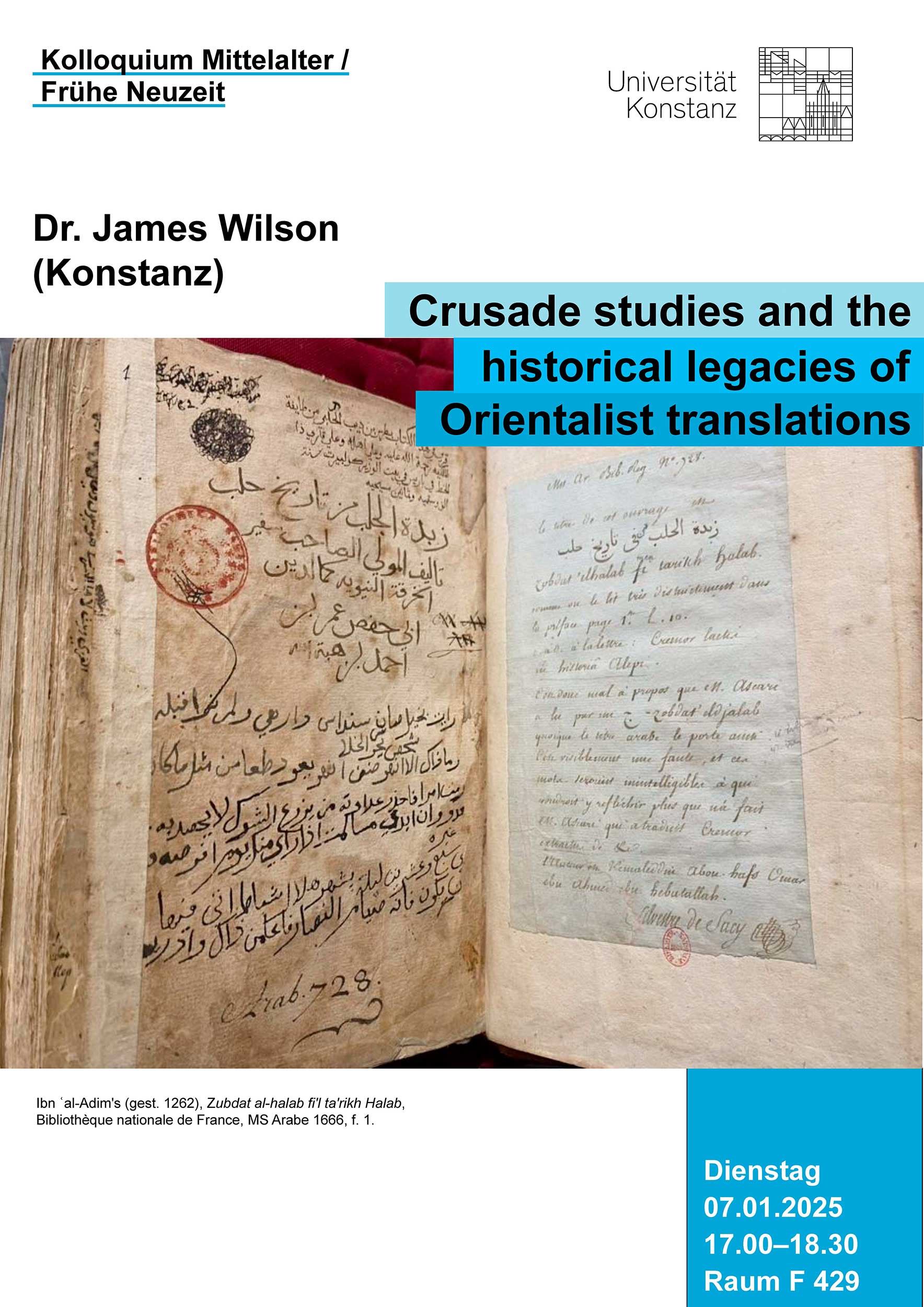
Public talk “Crusade studies and the historical legacies of Orientalist translations”
James Wilson gave a public talk entitled “Crusade studies and the historical legacies of Orientalist translations” in the framework of the colloquium “Mittelalter / Frühe Neuzeit” at the Department of History.
14 January 2025
Alumni Lecture “Search – Explore – Classify: AI Applications in Archaeology”
Karsten Lambers, Professor of Digital and Computational Archaeology at the Faculty of Archaeology, Leiden University, Netherlands, held the first Alumni Lecture entitled “Search – Explore – Classify: AI Applications in Archaeology”.
13 May 2025
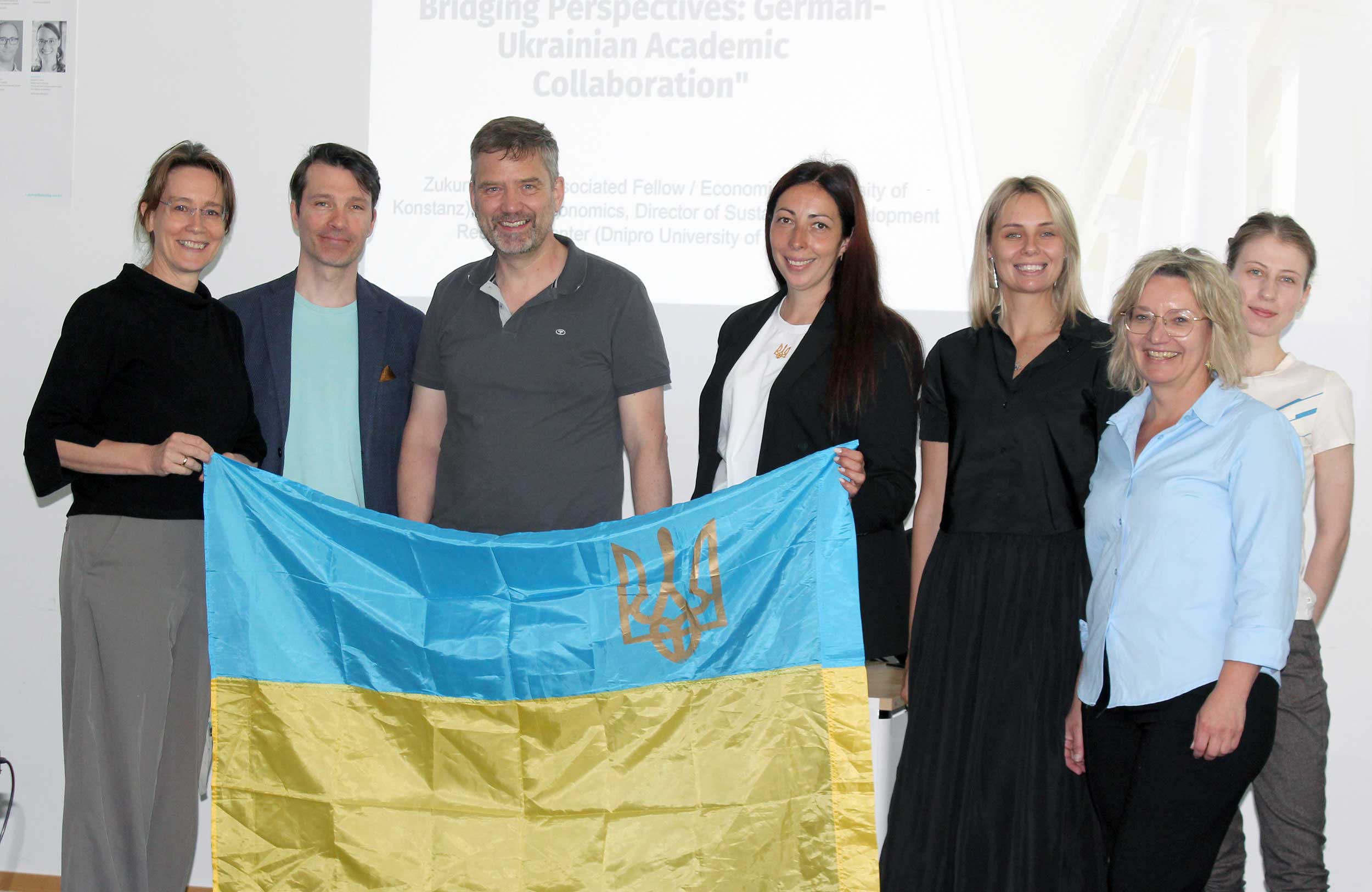
“Bridging Perspectives: German-Ukrainian Academic Collaboration”
The Ukraine Support team extended an invitation to a roundtable discussion with Associated Fellows Maryna Lytvyn and Yeliena Kovalska, as well as an exchange of experience on the challenges between the German and Ukrainian academic landscapes.
Abstract:
As we have already enjoyed many successful collaborations and are planning further joint projects with Ukrainian partners and researchers, we believe it is important to reflect together on how we can work effectively and respectfully in bilateral settings. Our goal is to foster mutual understanding, avoid potential irritations and bridge cultural or systemic misunderstandings.
The event featured input from three researchers representing three different universities:
- Olha Honcharenko (Kyiv National Economic University, Ukraine)
- Maryna Lytvyn (Dnipro University of Technology, Ukraine, Zukunftskolleg Associated Fellow)
- Yeliena Kovalska (Taras Shevchenko National University of Kyiv, Ukraine, Zukunftskolleg Associated Fellow)
13 May 2025
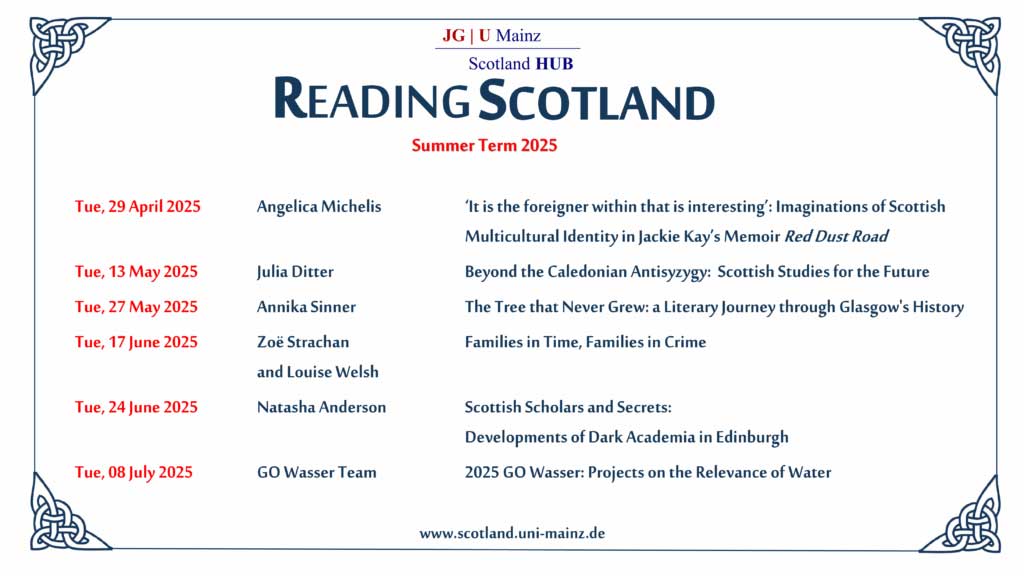
Public talk “Beyond the Caledonian Antisyzygy: Scottish Studies for the Future”
Julia Ditter held a public talk entitled “Beyond the Caledonian Antisyzygy: Scottish Studies for the Future”.
As part of the Reading Scotland Series at Johannes Gutenberg University Mainz, she presented her research on Scottish literature, which was funded by the Zukunftskolleg and the Centre for Cultural Inquiry (ZKF) at the University of Konstanz.
15 May 2025
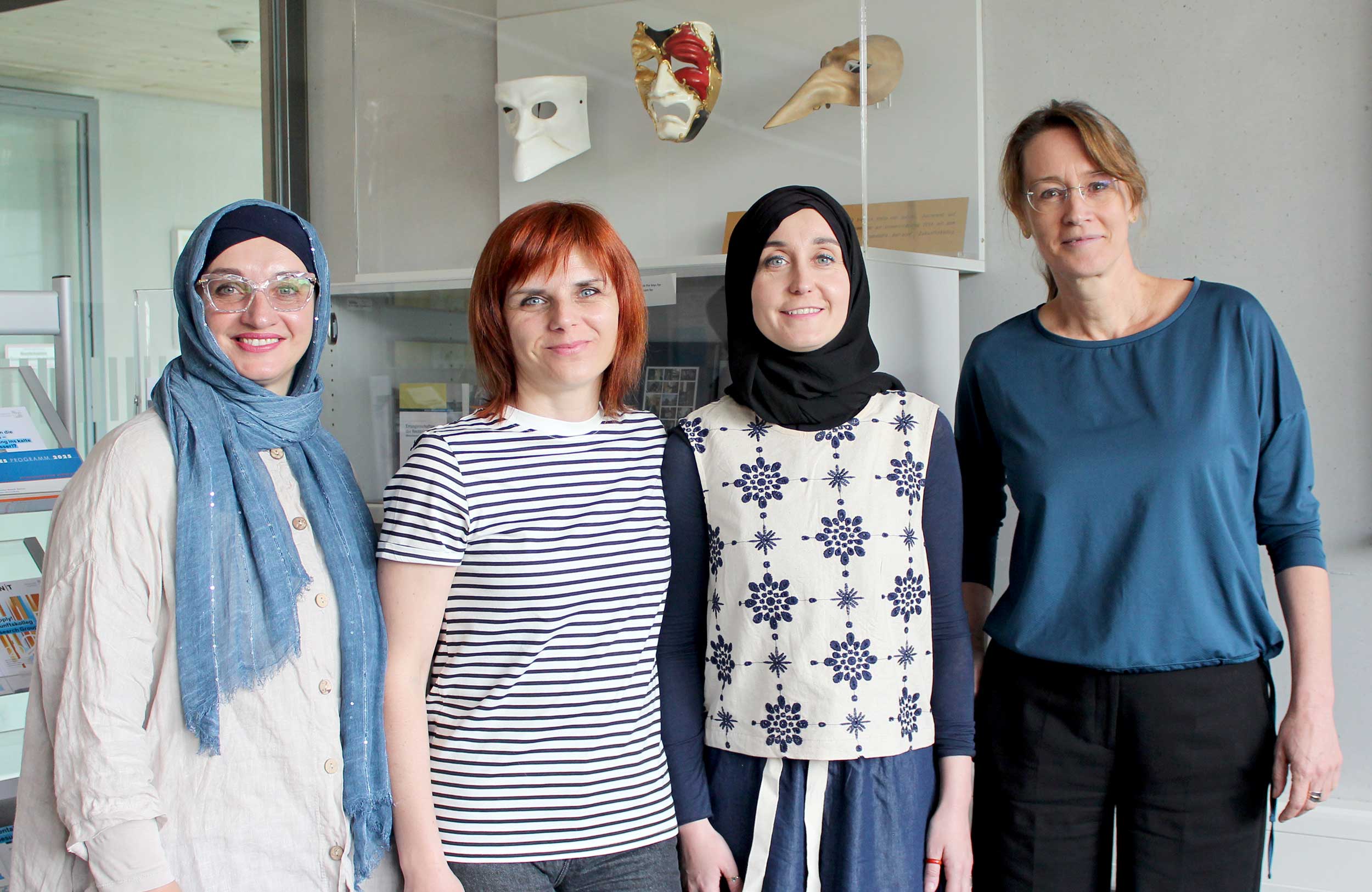
Visit from Sarajevo
The Zukunftskolleg enjoyed the visit by three young researchers from the University of Sarajevo, Bosnia and Herzegovina, as part of their Erasmus Staff Training at the Faculty of Humanities at the University of Konstanz.
Azra Hodžić-Čavkić and Enisa Bajraktarević, both Philology, and Mersiha Skrgić, Department of German Studies, came to Konstanz. The interdisciplinary approach at the Zukunftskolleg along with the early independence of fellows was a new approach for them. Assuming responsibility for the community within the Executive Committee as well as giving and receiving peer feedback inspired them as an idea for empowering early career researchers that they could take home with them.
22-23 May 2025
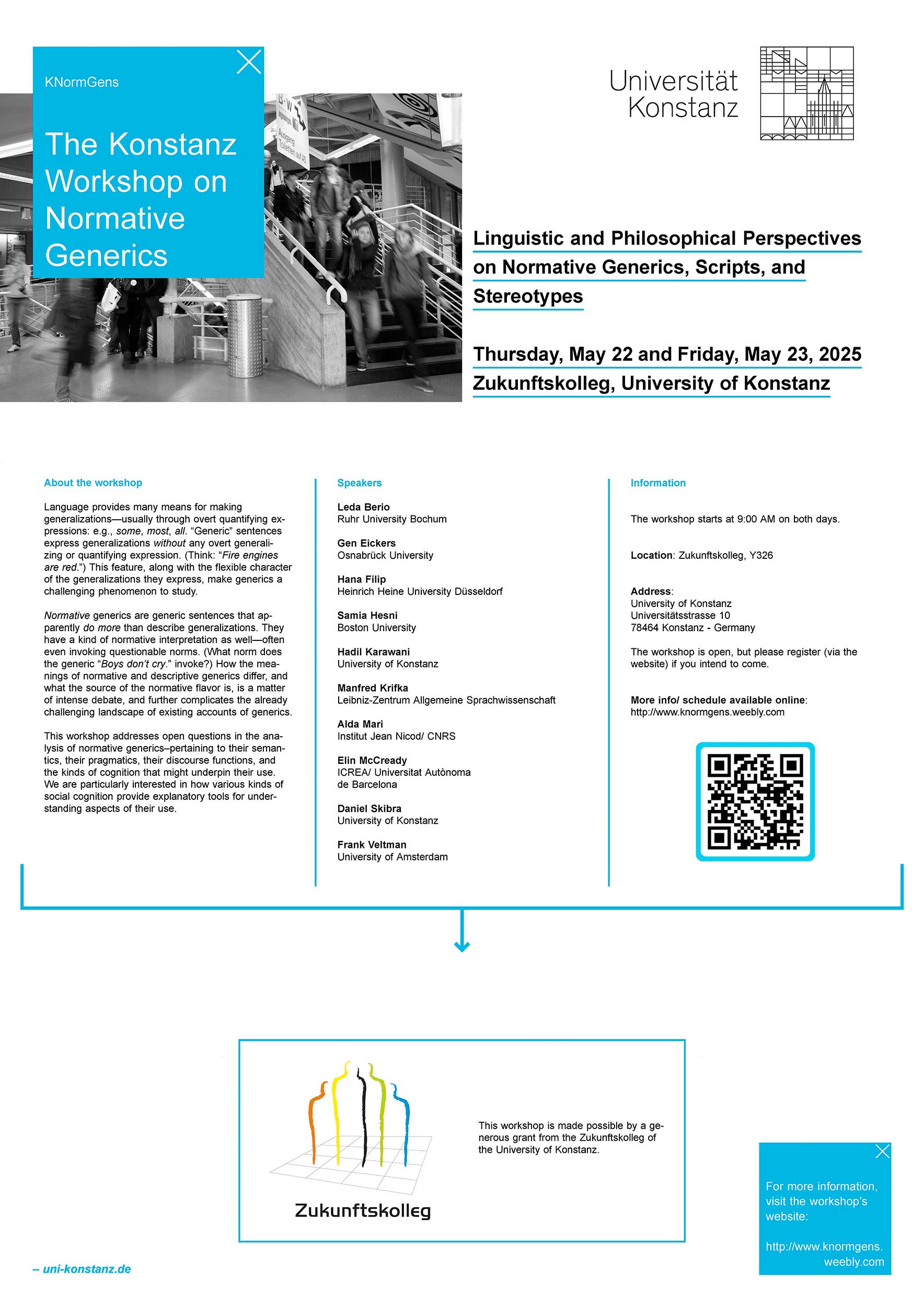
Daniel Skibra organized and extended an invitation to the
“Konstanz 2025 Workshop on Normative Generics: Linguistic and Philosophical Perspectives of Normative Generics, Scripts and Stereotypes”.
About the workshop
Normative generics are generic sentences like their descriptive counterparts, but rather than merely describing a kind of generalization, their meanings are said to have a distinctively more normative flavour. How the meanings of normative and descriptive generics differ, and the source of the normative flavour, is a matter of intense debate, and further complicates the already challenging landscape of existing accounts of generics.
The difference between descriptive and normative generics has been observed in important work going back to the 1970s (cf. especially Lawler or Burton-Roberts), with other significant work following some decades later (Carlson, Greenberg, Cohen, among others). Work by Leslie brought the topic to particular prominence in the last decade, particularly in philosophy.
This workshop addressed open questions in the analysis of normative generics pertaining to their semantics, their pragmatics, their discourse functions, and the kinds of cognition that might underpin their use. We were particularly interested in how various kinds of social cognition provide explanatory tools for understanding aspects of their use (e.g. in recent work by Berio and Musholt, Hesni, among others).
Speakers
- Elin McCready (ICREA; Universitat Autònoma de Barcelona)
- Hana Filip (Heinrich Heine University Düsseldorf)
- Gen Eickers (Osnabrück University)
- Frank Veltman (University of Amsterdam)
- Leda Berio (Ruhr University Bochum)
- Alda Mari (Institut Jean Nicod/ CNRS)
- Samia Hesni (Boston University)
- Manfred Krifka (Leibniz-Centre General Linguistics (ZAS))
Organized by: - Hadil Karawani (University of Konstanz)
- Daniel Skibra (University of Konstanz)
11-13 June 2025
Annual Conference of the Comparative Agendas Project
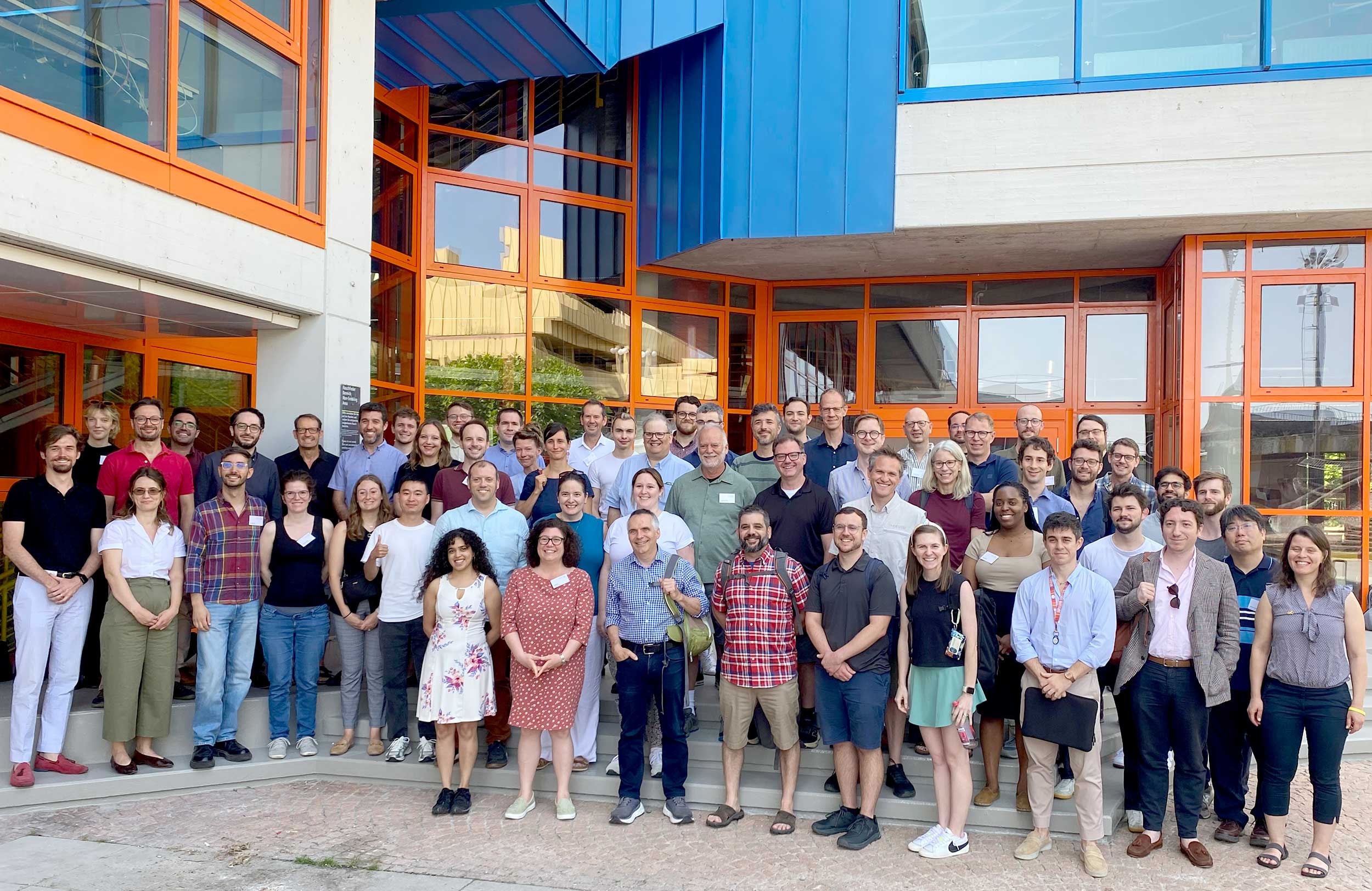
From June 11 to 13, the Annual Conference of the Comparative Agendas Project (CAP) took place at the University of Konstanz. The conference was organized by Christian Breunig and Elisa Deiss-Helbig and financially supported by the Cluster of Excellence “The Politics of Inequality” and the Zukunftskolleg. Around 80 scholars from the United States, Israel, Japan, and many other countries gathered in Konstanz to discuss their current research on agenda-setting, unequal representation and policy analysis in 16 thematic panels. Methodological topics, such as machine learning and the identification of policy issues, were also addressed.
Highlights of the conference included a roundtable honouring Frank Baumgartner (University of North Carolina at Chapel Hill), one of the two founding members of the CAP network, the keynote by Fabrizio Gilardi (University of Zurich) on “Problem Definition in Digital Democracy” and the closing plenary “Reflections on CAP”, where Jale Tosun (Heidelberg University) and Daniel Béland (McGill University) shared key insights on the development and future of the research network.
The Bryan D. Jones Best Paper Award was presented to Massimo Troncone (ETH Zurich) for his paper “Malapportionment, Legislator Effort and the Representation of District Interests. Evidence from the Italian Senate”.
The varied social programme – including a guided tour of the city, wine tasting, a barbecue on the university terrace and dinner by the Seerhein – also offered plenty of opportunities for lively discussions, new connections and international networking. The next CAP conference will take place in Paris in 2026.
05 July 2025
Giovanni Galizia gave a short presentation about the Zukunftskolleg during the visit by the delegation from the 74th Lindau Nobel Laureate Meeting to the Department of Chemistry at the University of Konstanz. Cristina Ruiz Agudo (5-year Research Fellow / Chemistry) also participated in the event and presented her research and her experiences as a Zukunftskolleg fellow.
08 July 2025
The final presentation of the science-art project “Making the invisible visible” – a virtual exhibition based on the project “Understanding the Environmental Fate of Organic Pollutants on Soils” by Angelo Neira in collaboration with the Merz Akademie Stuttgart – took place in a public Jour fixe on 8 July.