Journey to Eden
How baboon mummies helped biologist Gisela Kopp to a special kind of research collaboration
There are times when you need people in your life with whom you dare to do something otherwise unimaginable. People who, although they recognize potential risks, are nevertheless bold enough to take those risks in order to fulfill a dream. Something similar happened to biologist Gisela Kopp, who has been conducting research as a Hector Fellow at the Zukunftskolleg since 2018. Her big dream since completing her doctoral degree was to study isolated and unresearched monkey populations in the Sahara. Without her American colleague Nathaniel J. Dominy, this dream would presumably never have come true. It was the ZENiT Fellowship, which supports international collaboration between researchers (see box), that brought them together.
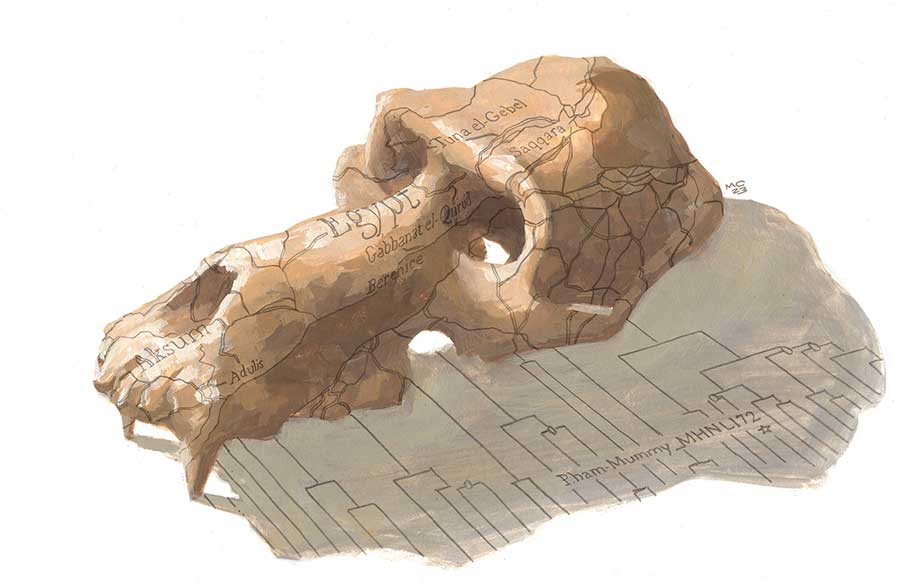
Within her ZENiT project, Gisela Kopp, together with an international and interdisciplinary team, is studying the biocultural links between ancient Egypt and regions of Central Africa that are today separated from each other by the largest arid desert in the world – the Sahara. The objective of her scientific project is to find out whether the first monkey came to Egypt from Chad via trans-Saharan trade routes.
“We use genetic and geochemical methods to trace the connections between different populations of non-human primates, which were substantially influenced by changing climatic and environmental conditions, but also by human trade relations,” explains Gisela Kopp. The focus here lies especially on monkey, which played an important cultural role in ancient Egypt and, as they were non-indigenous, were imported from regions further south.
Samples from baboon mummies as a door opener
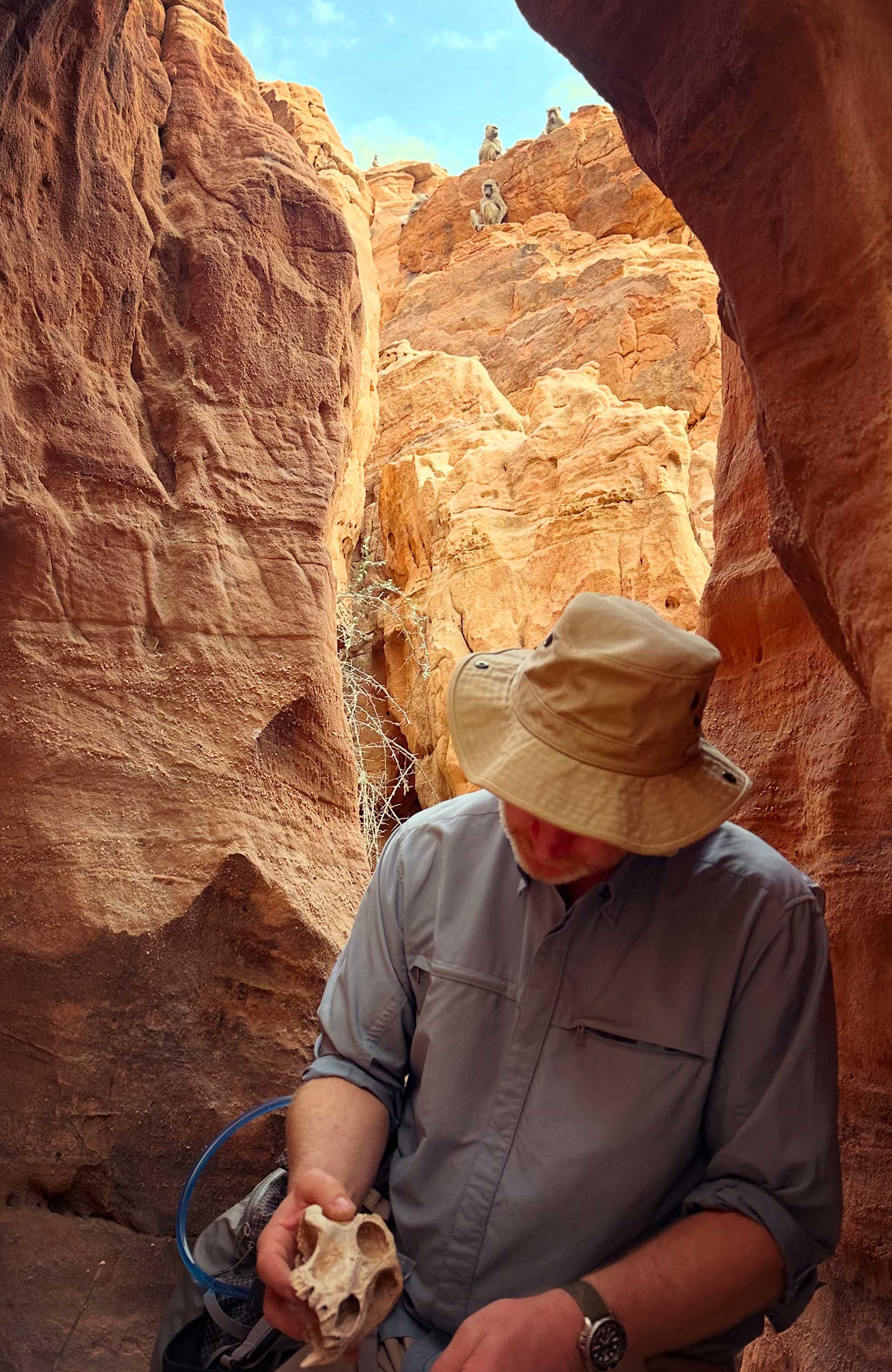
To inch further towards her research goal, Gisela Kopp already attempted several years ago to obtain samples from baboon mummies for the purpose of conducting genetic analyses. This proved far more difficult than expected, as Nathaniel J. Dominy, an anthropologist at Dartmouth College in the USA, was the only researcher she could find who had already worked with such samples. She decided to send him an email. “He showed a lot of interest in my enquiry, and this triggered our close collaboration which has further developed over the years,” reports Gisela Kopp. “I was then nominated by the Department of Anthropology at Dartmouth College for a visiting professorship there. During this time, our collaboration intensified even further, and we were able to refine the project.”
“Nate is one of the most creative, inquisitive and well-read scientists I know,” says Gisela Kopp about her colleague. “He tries out the craziest ideas again and again, which encourages you to just forge ahead, even at times when every project must first, in fact, pass the feasibility and impact check. Without him, I probably wouldn’t have ventured on this field project, which was very risky on many levels.”
Gisela nominated Nathaniel first of all for a Senior Fellowship – a guest visit of several months for an established researcher – at the Zukunftskolleg. “In preparation for and during Nate’s Senior Fellowship at the Zukunftskolleg, we began planning and raising funds for a workshop that would build on our promising results from our studies of baboon mummies and explore from a broader angle the ideas they generated.” The aim was to bring together experts across the boundaries of the natural sciences and the humanities – instead of stubbornly persisting in disciplinary silos with their limited perspectives. “We were very pleased that all the scientists we contacted participated very enthusiastically in the workshop, which then sowed the seed for the ZENiT project. But I have to say that the post-workshop evenings in the university beer garden made quite a significant contribution to this!” admits Gisela Kopp.
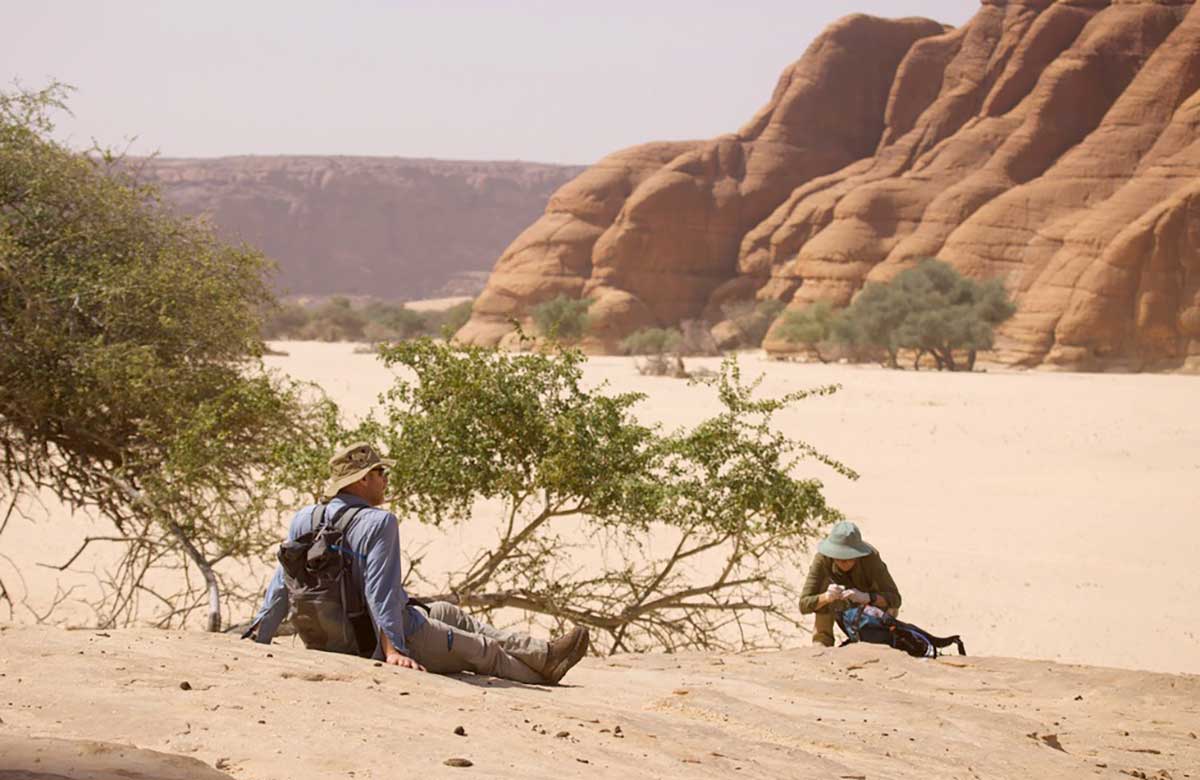
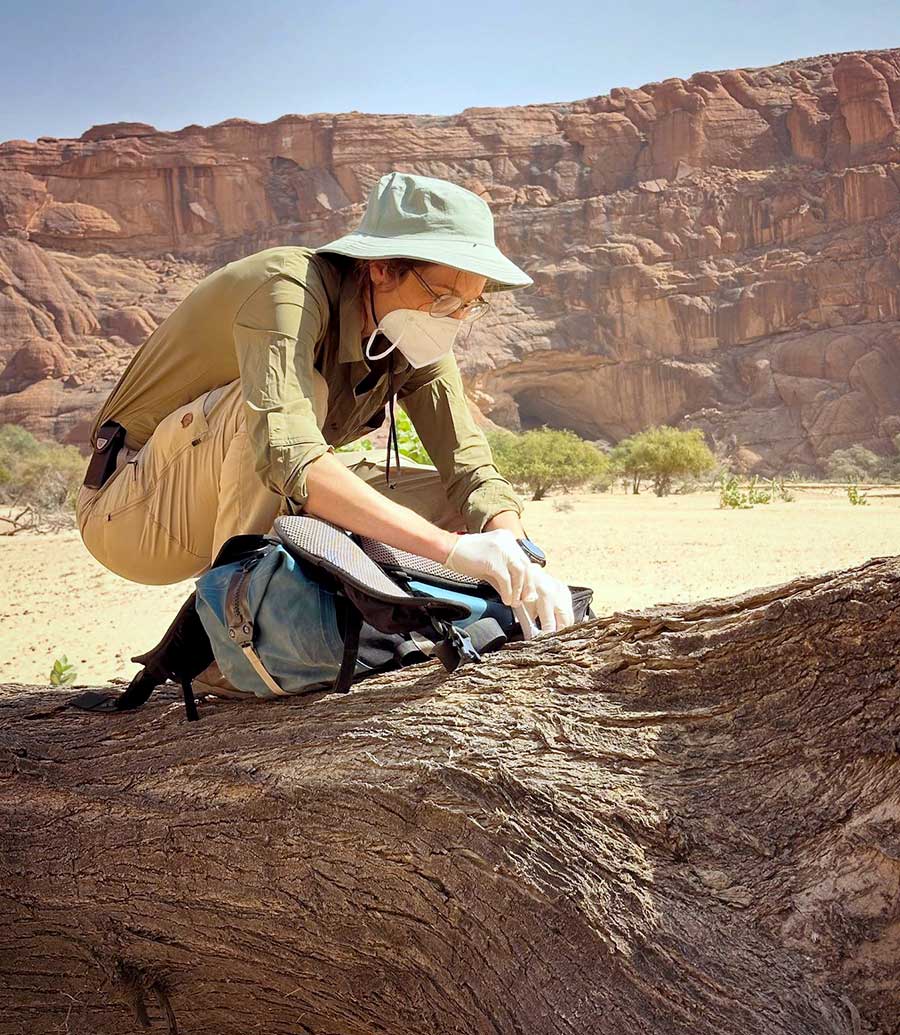
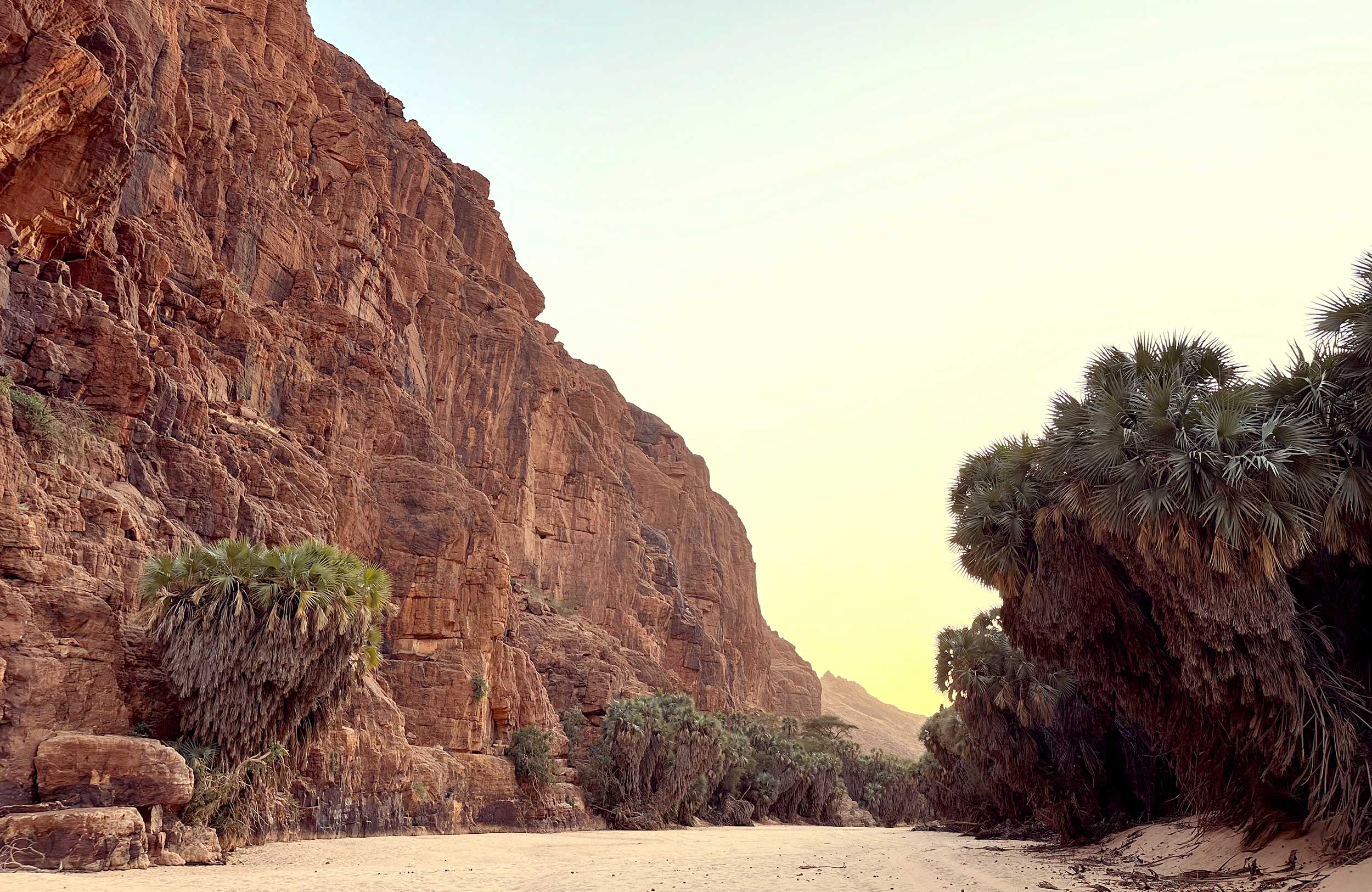
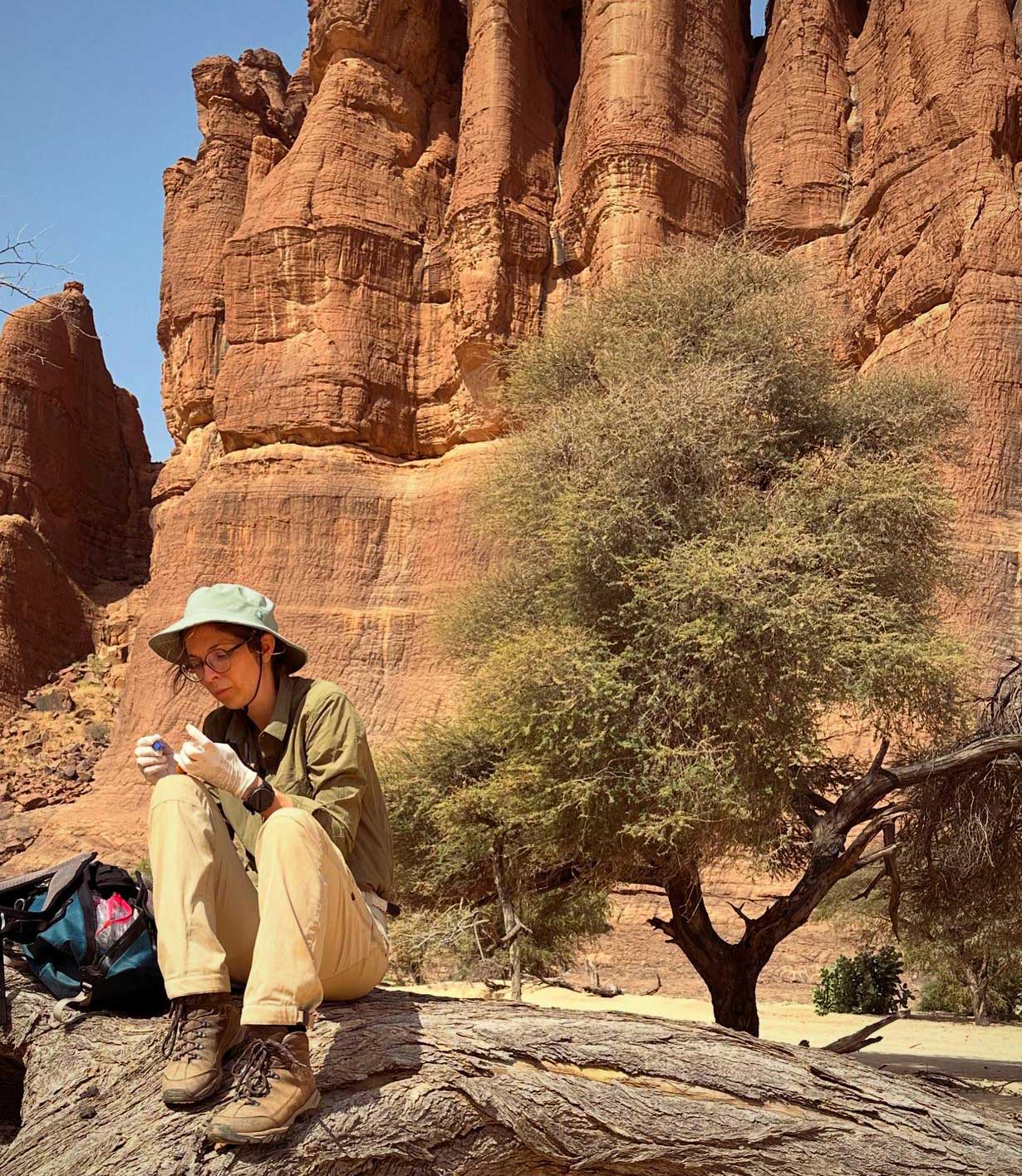
“The landscape in the Ennedi Massif is simply breathtaking. And once you have digested the magnificent sight of the spectacular rock formations and paradise-like wadis, the cultural history, documented in countless rock paintings, thousands of years old and almost unrealistically well-preserved, leaves you speechless.”
Gisela Kopp
First data worldwide on unresearched primate populations in the Ennedi Massif
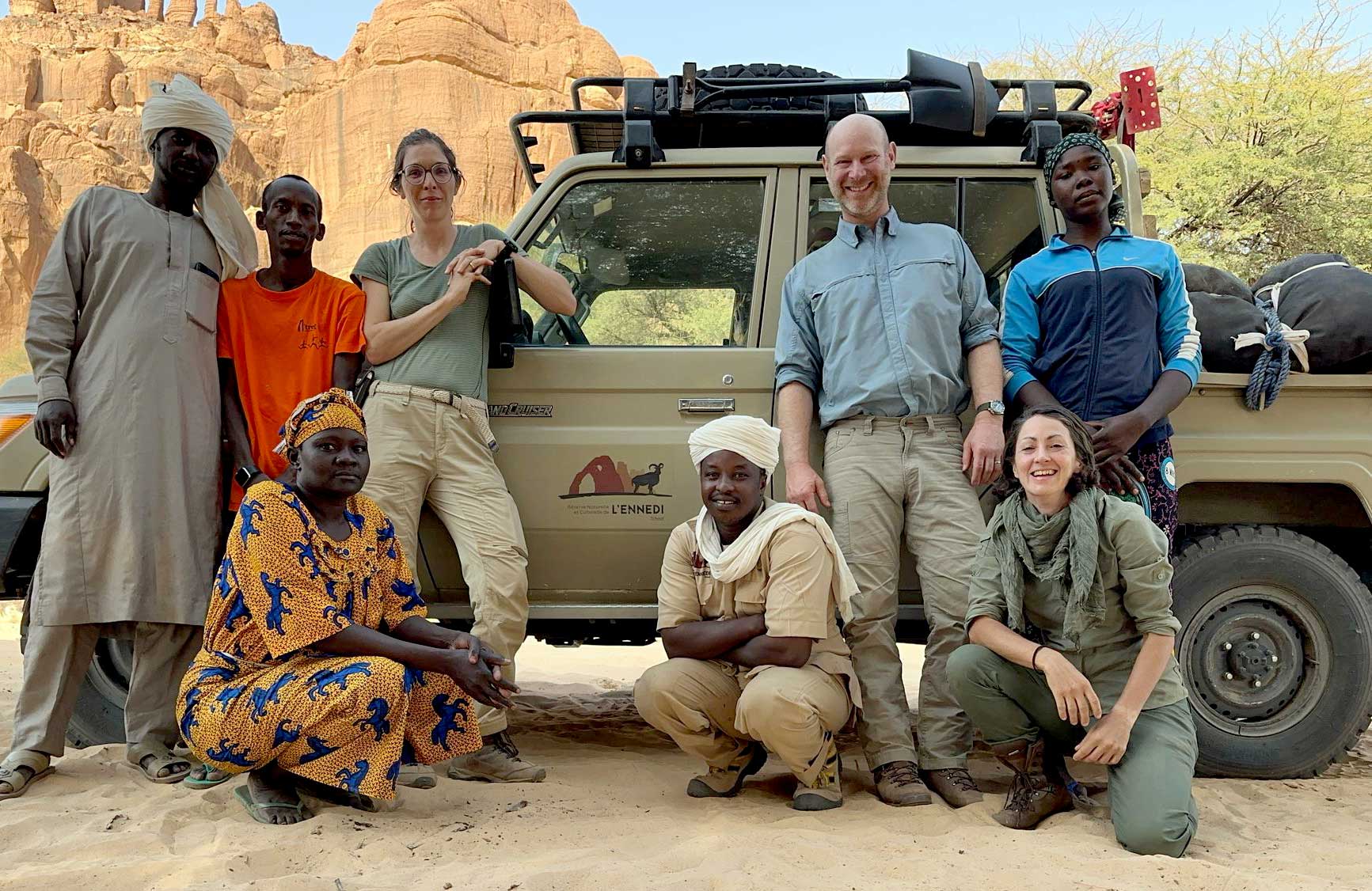
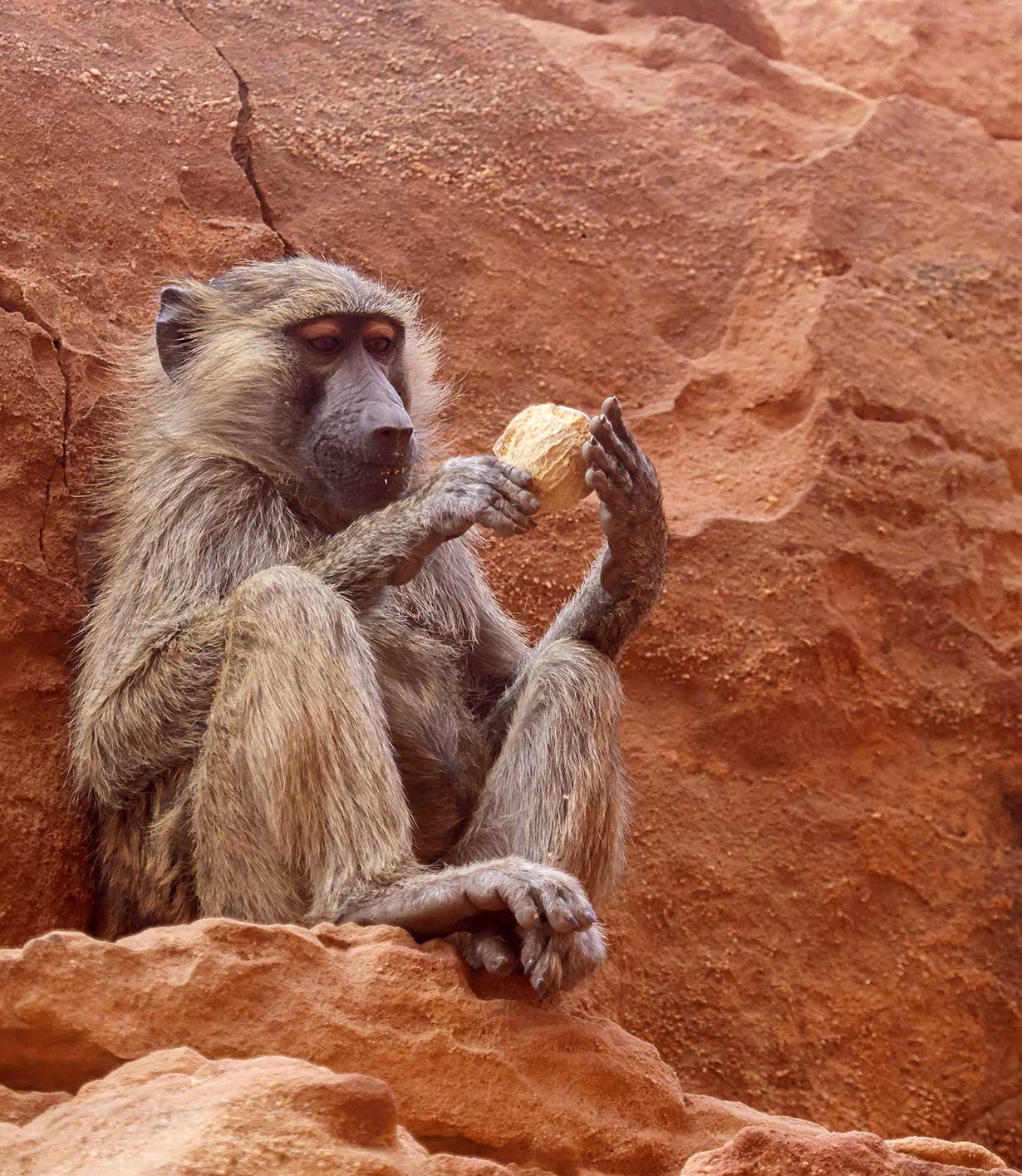
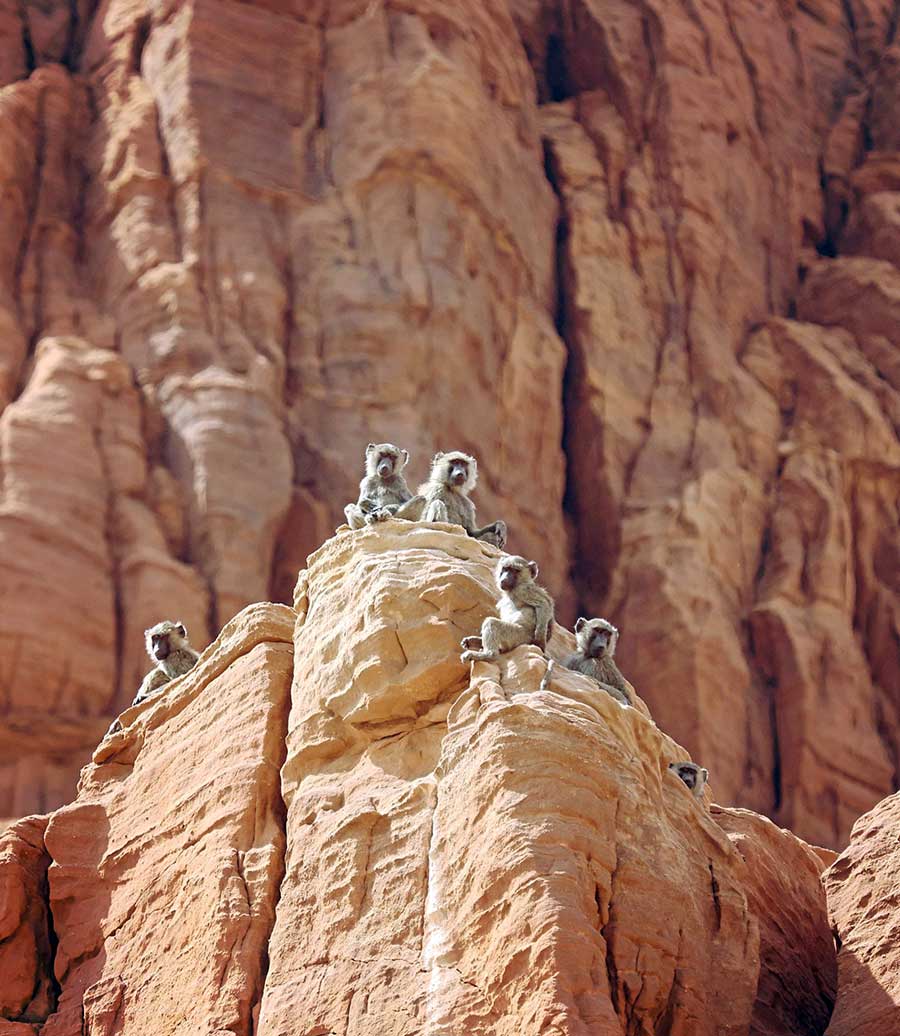
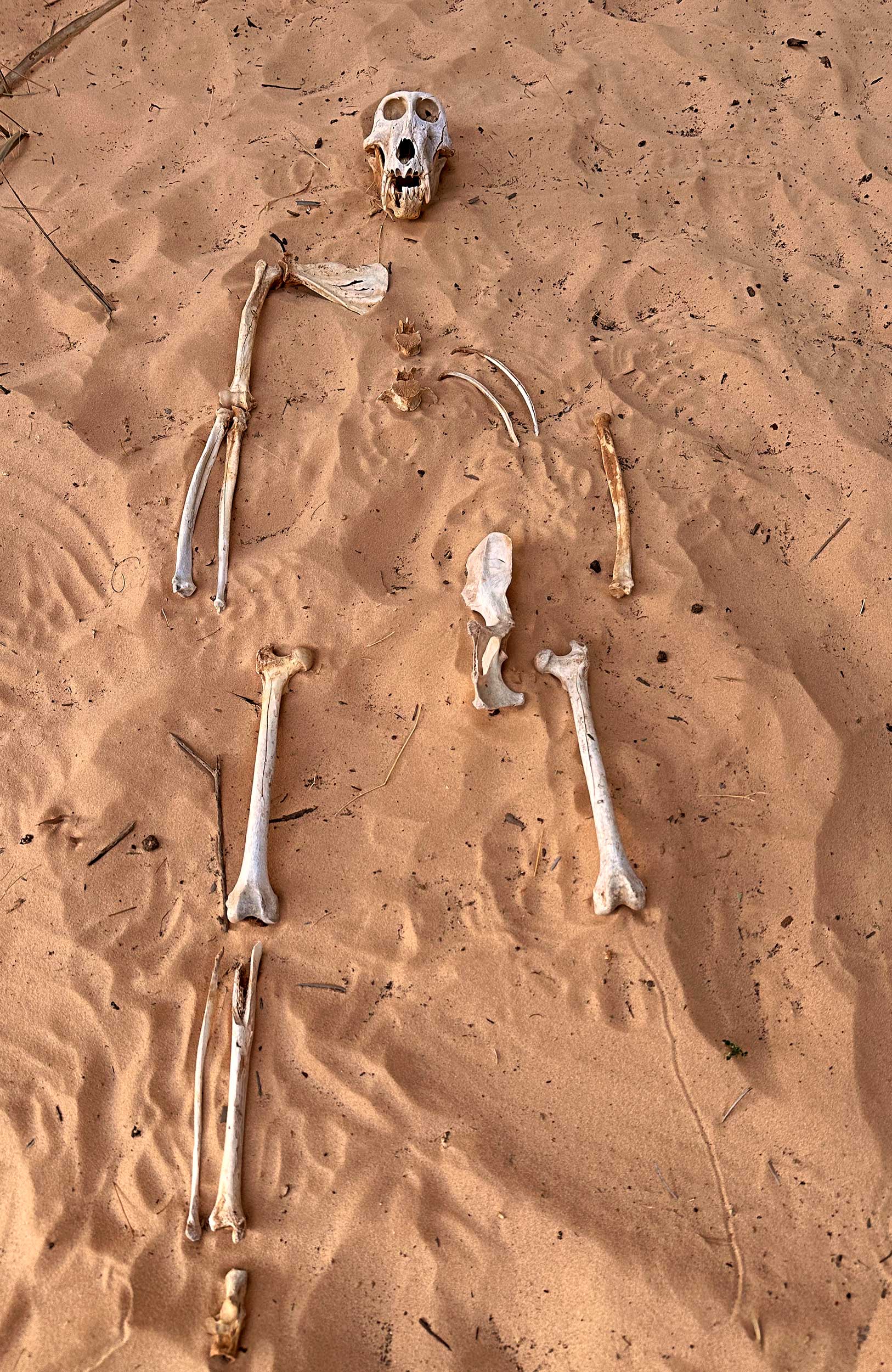
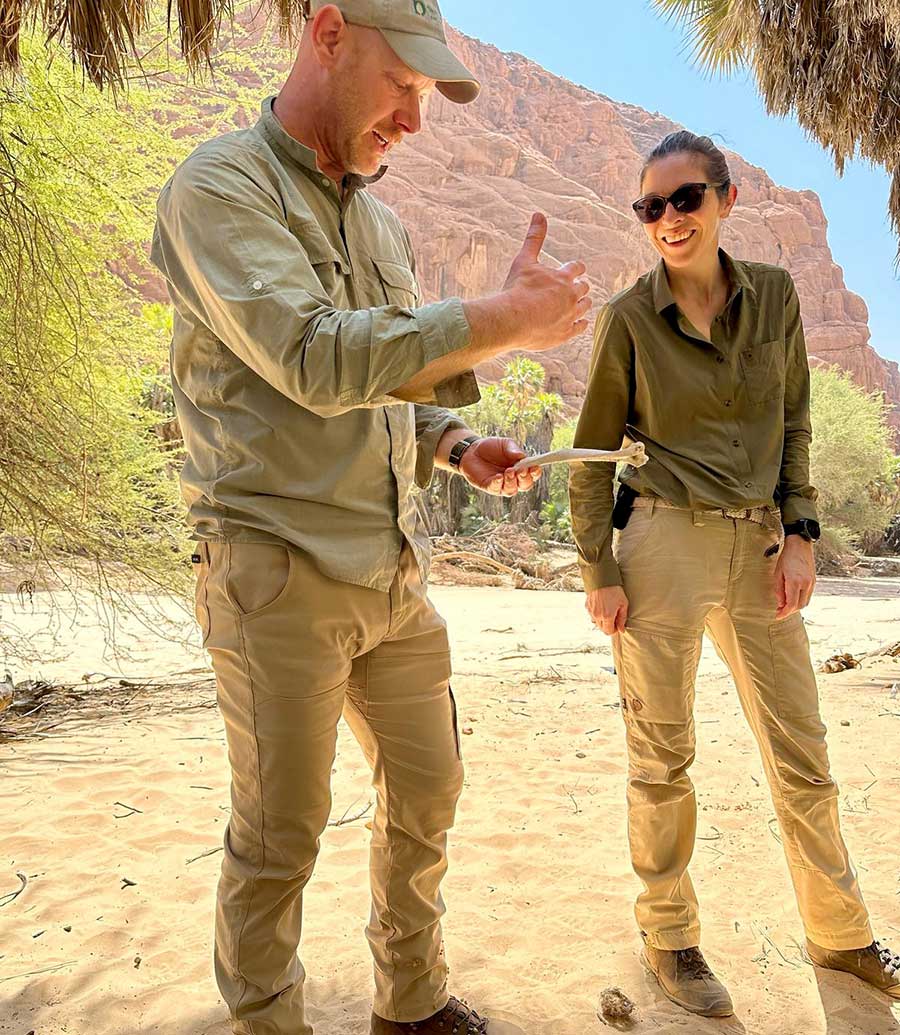
“In recent years, we have achieved very good sample coverage of those monkey species across almost the whole of sub-Saharan Africa that interest us. Unfortunately, the central Sahel region is not well represented. With our field research in Chad, we have now closed this gap a little by collecting faecal samples for genetic analysis as well as bones and teeth for stable isotope analysis.” According to Gisela Kopp, a real milestone here was that they were the first research team ever to collect data on so far entirely unresearched primate populations in the Ennedi Massif. This region, also referred to as “the Sahara’s Garden of Eden”, is classified as a UNESCO World Natural and Cultural Heritage Site and is home to several species that were isolated from their conspecifics living further south when the Sahara dried up around 8,000 years ago.
Findings from Chad
As far as the scientific results are concerned, Gisela Kopp is still waiting for the laboratory analyses. “We hope that the data from the strontium isotopes will then tell us whether – as we formulated in our hypothesis – the first monkey in ancient Egypt were imported from present-day Chad via trans-Saharan trade routes. And the genetic data will reveal whether the monkey populations in the Ennedi Massif were relicts of a population that was previously widely spread and has now retreated to areas further south, or whether they migrated from regions further east along Nile tributaries that have meanwhile dried up.”
Apart from the scientific findings, Gisela Kopp and her team were impressed by the size of the primate populations in the Ennedi Massif. “Because of the climatic and ecological conditions that prevail there, we had expected that the groups would be living at the limits of their capabilities and as a result would perhaps not be in particularly good physical shape, or else live in smaller groups than their conspecifics in more fertile regions. However, from what we have observed, we are very confident that they are not endangered. We are now contemplating how we could study these adaptations for survival in the desert more effectively,” says Kopp, providing an outlook on future research projects. “Beyond that, it has become clear to me once again how much potential lies in this region. Chad is almost four times the size of Germany (yet with only 20% of the population!) and covers more latitudes and biomes than almost any other country in Africa – from the volcanic mountains and sand dunes in the north, to the grass and bush savannahs, to the forests and floodplains in the south. But hardly any research is being conducted on the country’s biology, ecology and biodiversity. Our local partners were very interested in continuing to work together on this and to significantly advance our knowledge. Our research stay laid a good and promising foundation.” Without the international collaboration and funding from the ZENiT Fellowship this might not have been achievable, and it offers potential for exciting scientific insights in the future too.
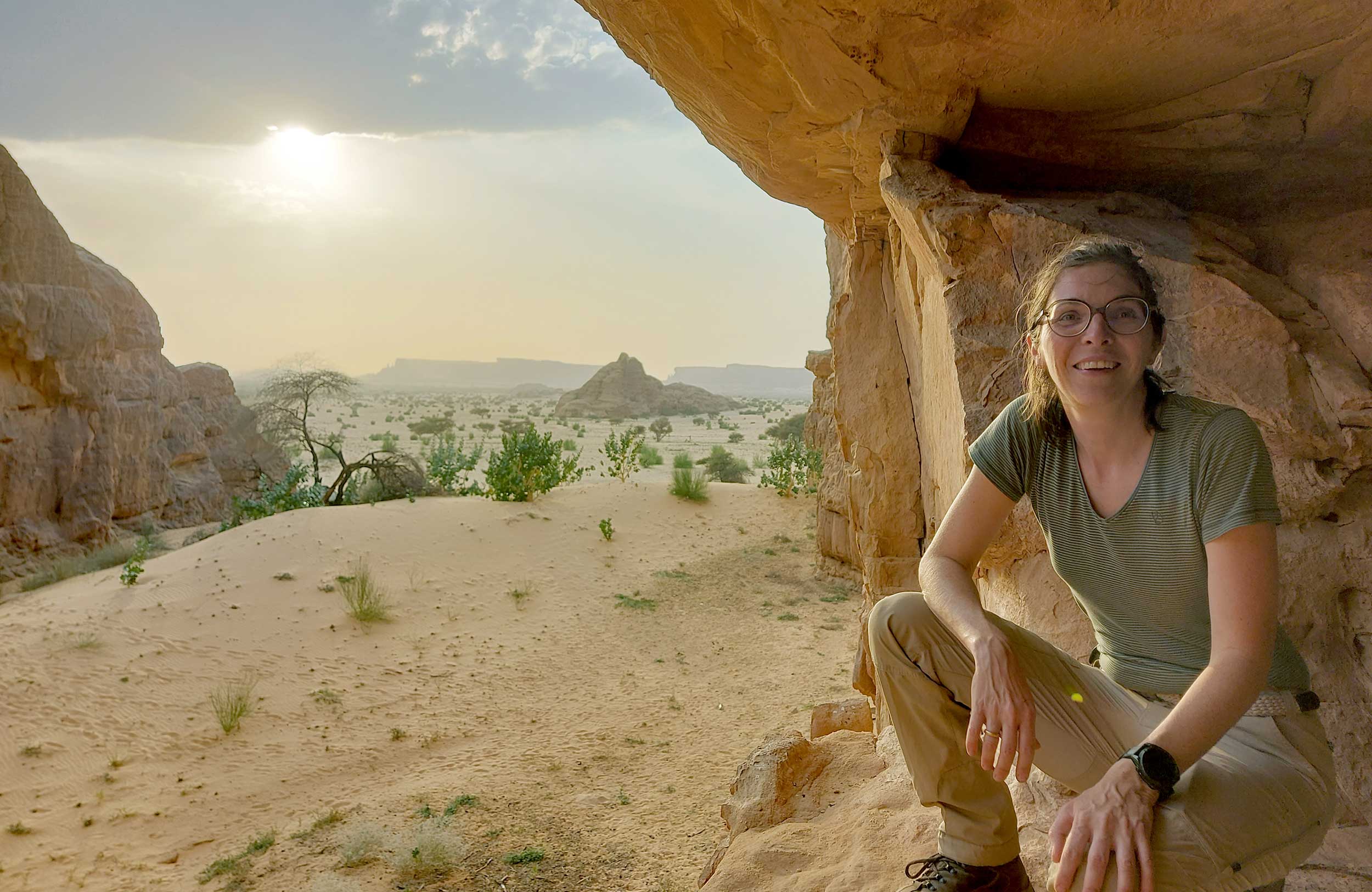
“What impressed me most was how a group of baboons scrambled up an almost smooth and vertical cliff within five minutes – and did so despite the temperature of around 45 °C (after all, these monkeys are not exactly known for their elegance or agility). We needed about two hours for the same ascent the next day!”
Gisela Kopp
In 2023, the Zukunftskolleg of the University of Konstanz launched a new group fellowship format called ZENiT (= Zukunftskolleg Exchange Network: interdisciplinary Talent). It offers postdoctoral researchers at the University of Konstanz the opportunity to form a research group of scientists and prominent non-university figures and to work on projects on the fringes of their research focus. This enables them to broaden their horizons and expand their networks. ZENiT offers postdoctoral researchers at the University of Konstanz a fellowship for up to three years. This makes the fellowship an important component of the Excellence Strategy of the University of Konstanz.