New creative minds at the Zukunftskolleg
New ZENiT Fellows at the Zukunftskolleg
In its second call for applications for the ZENiT Fellowship Programme (application deadline: 15 October 2024), the Zukunftskolleg decided to fund the following people and projects:
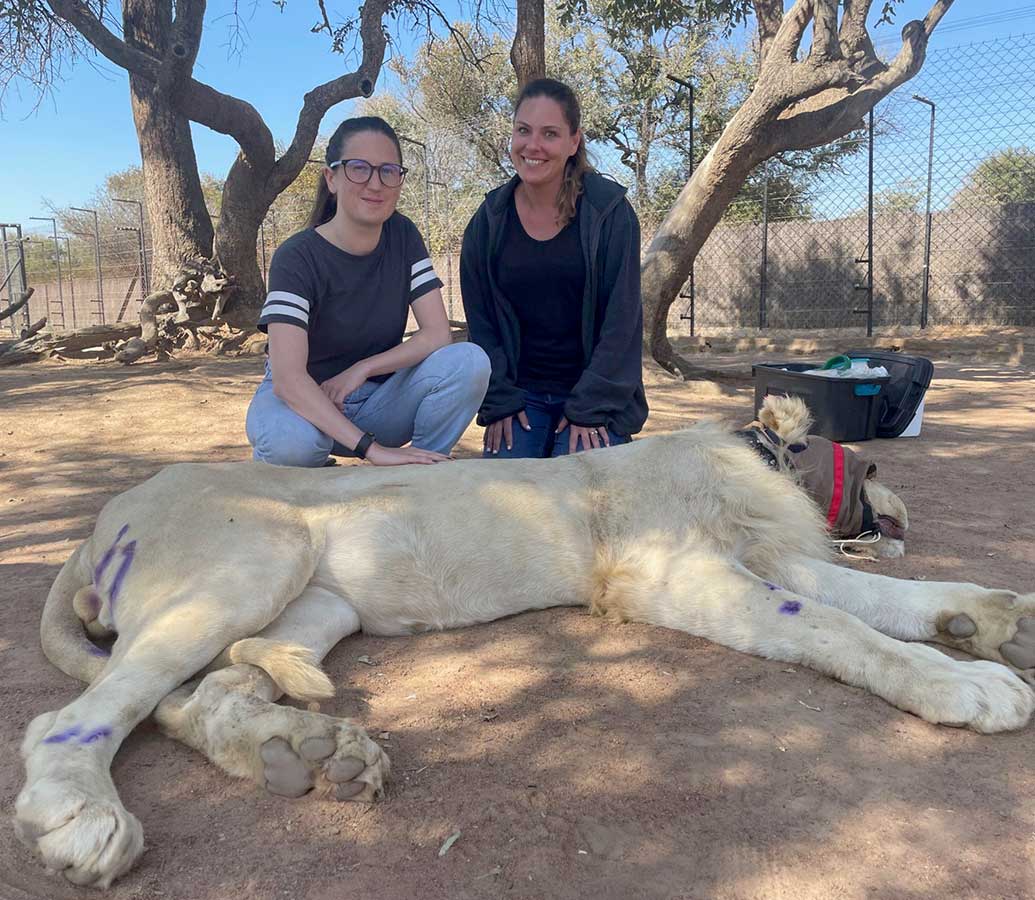
Natalia Borrego and Genevieve Finerty
Department of Biology and Centre for the Advanced Study of Collective Behaviour
Project: What do animals perceive? Advancing Multi-Sensor Biologging for Sensory Ecology Research
Partners
- Matthew Wijers (British/Dutch, Ecology/Biology, University of Oxford),
- Simon Chamaille-Jammes (French, Ecology, CNRS),
- Paul-Antoine Libourel (French, Neuro-Eco Physiology, Lyon Neuroscience Research Center)
Goal
The long-term goals of this project extend beyond immediate advancements in lion sensory ecology and biologging technology. By developing scalable, AI-driven tools for multi-sensor data collection and analysis, we aim to create a foundation for future research that can be applied across diverse species and ecosystems. These tools will give researchers the possibility to process vast datasets efficiently, enabling them to explore complex behavioural patterns and interactions in ways that were previously impossible due to technological limitations.
Natalia completed her doctoral thesis in the Department of Biology at the University of Miami. For over ten years now, she has been a research associate at the Lion Center at the University of Minnesota. Before joining the University of Konstanz, she held several postdoctoral positions focused both on research and teaching, including at the University of Kwazulu-Natal in South Africa and the University of Cairo in Egypt. Since September 2021, she has been a postdoctoral researcher in Meg Crofoot’s Department for the Ecology of Animal Societies at the University of Konstanz.
Genevieve completed her doctoral thesis in the Wildlife Conservation Research Unit at the University of Oxford. She started her postdoctoral work in the Zoology Department, also at Oxford, before joining the University of Konstanz, where she has been a postdoctoral researcher in Meg Crofoot’s Department for the Ecology of Animal Societies since September 2021.
Their ZENiT project focuses on two key challenges in wildlife science: how to make sense of the vast, complex data collected by animal-borne sensors and how to better understand the sensory world – what we call the perceptual environment – that shapes animal behaviour. “Using African lions (Panthera leo) as a model species, we’re developing AI-powered tools to streamline the analysis of multi-sensor biologging data, while also running controlled experiments to study how lions perceive sounds, sights and smells,” explain Genevieve and Natalia. “By combining insights from ecology, neurobiology and sensor technology, we aim to uncover how lions detect and respond to their environment, particularly in the context of communication and coordination.” Ultimately, the project will produce tools and workflows that can be applied across species and ecosystems, helping to advance the future of wildlife research.
“We love working collaboratively, are really excited about the opportunity to join the ZuKo’s vibrant and interdisciplinary community and are looking forward to learning more about what other members are up to.”
Emanuele D’Osualdo
Department of Computer and Information Science
Project: Building a Bridge between Automata and Types for Concurrency
Partners
- Jorge A. Pérez (Colombian/Italian, Computer Science, University of Groningen),
- Stephanie Balzer (Swiss, Computer Science, Carnegie Mellon University, USA),
- Felix Stutz (German, Computer Science, University of Luxembourg),
- Cinzia Di Giusto (Italian, Computer Science, Université Côte d’Azur, France)
Goal
Software bugs can severely impact the safety, security, privacy and finance of millions of people and even whole nations. Concurrent systems, i.e. programmes that are organized as a decentralized collection of interacting components, are ubiquitous and notoriously hard to get right. The driving goal for this ZENiT group is to systematically explore how to integrate automata and types (two historically separated analysis methodologies) into a unified framework for concurrency. This would unlock new analysis tools that combine the scalability of types with the expressivity of automata.
In 2015, Emanuele received his doctoral degree in computer science from the University of Oxford. From 2015 to 2017, he was a postdoctoral researcher in the Concurrency Theory Group at RPTU University Kaiserslautern-Landau, after which he was a Marie Curie Fellow at Imperial College London, working on verification of concurrent software. Until April 2024, he was a postdoctoral researcher at the Max Planck Institute for Software Systems in Saarbrücken, working on verification of concurrent software, before becoming Tenure-Track Professor of Formal Methods for Software Engineering at the University of Konstanz.
In general, his research focuses on formal methods and programming languages, where theory and tools are developed to eliminate bugs from software and make software infrastructure safer, more private and more secure. His ZENiT project aims to advance concurrency theory, a sub-area of computer science “where we try to formulate models and analysis methods to understand when the interaction of many individual programmes running in a network give rise to a well-behaved system or not,” explains Emanuele. “Unfortunately, historically this field has been highly fragmented, with many overlapping approaches being developed by disjoint communities.” The project tries to build a network of scientists with the aim of starting a unification effort.
New Postdoctoral Fellows at the Zukunftskolleg
In the latest call for applications for 2-year Postdoctoral Fellowships, three fellowships were advertised (application deadline: 2 September 2024). We received 337 applications in total. After a formal eligibility check, 110 applications were eligible: 10 came from Germany and 100 from 36 different countries, 70 were from male applicants, 40 from female applicants. Most applicants came from the Department of History and Sociology and the Department of Politics and Public Administration. The candidates were evaluated by the local hosts and the peer reviewers. In its meeting on 17 January 2025, the Recruitment Committee decided on the candidates to be offered a 2-year position. The new Postdoctoral Fellows are:
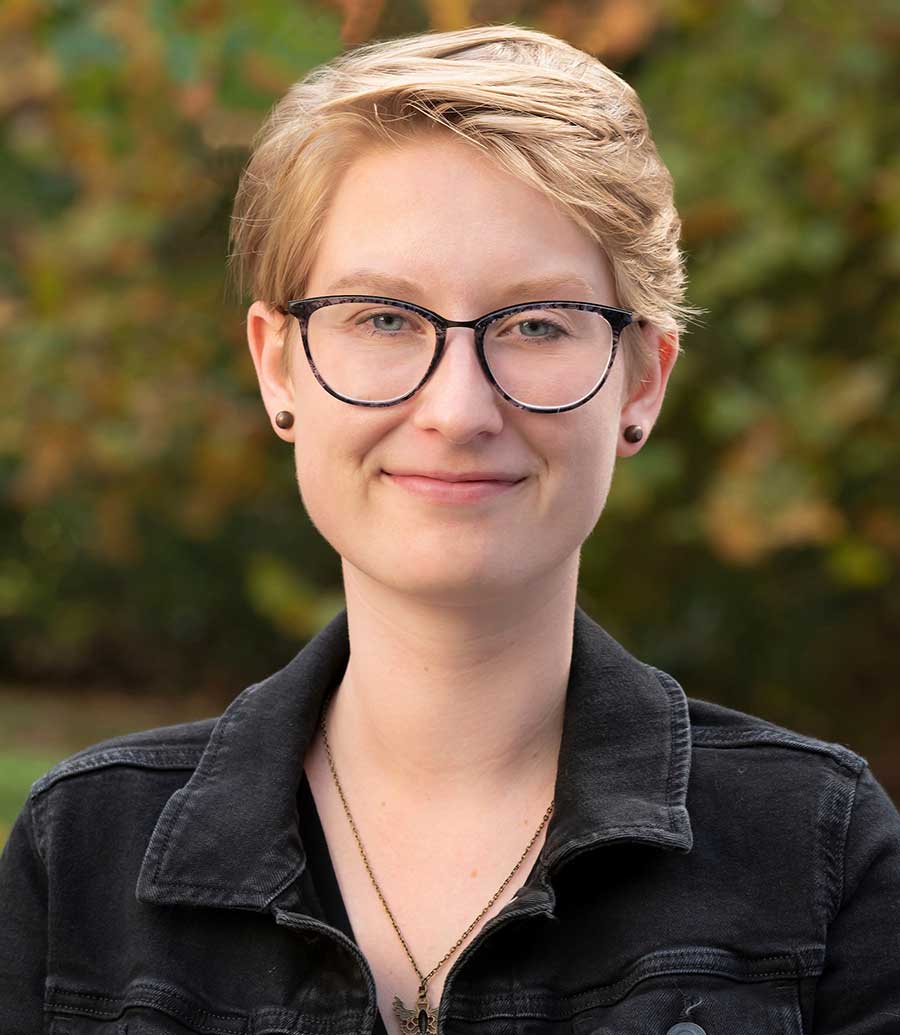
Jesse Granger
Department of Biology and Centre for the Advanced Study of Collective Behaviour
Project: Collective Behaviour in the Australian Bogong Moth
In 2023, Jesse completed her doctoral degree in biology at Duke University as an NDSEG Fellow; from 2023-2025, she held a postdoctoral position, also in the Department of Biology at Duke University. Her research project at the Zukunftskolleg endeavours to understand how animals are able to navigate long distances with extreme precision. It is known that many rely on visual and geomagnetic cues to guide their navigation, but theoretical models suggest these are likely insufficient to explain the level of precision/accuracy animals demonstrate in the wild. One hypothesis is that they may use collective behaviour to increase their navigational accuracy, but this has yet to be tested in a long-distance navigator. She will conduct experiments to test whether the Australian Bogong uses collective navigation during its extreme, long-distance migration, using a mixture of laboratory and field experiments. In particular, she will develop a virtual reality apparatus to test various hypotheses about the environmental and social cues they use while navigating.
Gabriella Gricius
Department of Politics and Public Administration
Project: Mapping Strategic Convergence: The Arctic and Hybrid Threats in Northern Europe
Gabriella completed her doctoral degree in the Political Science Department at Colorado State University. Her fields were international relations, comparative politics, and environmental politics and policy. The fellowship at the Zukunftskolleg is her first postdoctoral position. In addition to her work at Colorado State University, she is also the media coordinator and a fellow at the North American and Arctic Defence and Security Network.
In general, her work looks at Arctic security, where she explores everything from climate change and human security to military security trends, the changing situation in the Arctic since Russia’s 2022 invasion of Ukraine, science diplomacy and the role of experts and specifically hybrid threats. She has also worked on European maritime security, ontological security and securitization.
Her research project at the Zukunftskolleg is entitled “Mapping Strategic Convergence: The Arctic and Hybrid Threats in Northern Europe”. In the project, she maps out key trends and patterns of how security decision-making has evolved since 2022, focusing on the two cases of security community formation in Northern Europe and hybrid warfare in the North Sea. In each case, she will map out the constellation of actors involved in the decision-making process, trace EU-NATO involvement and investigate how decision-makers choose to prioritize certain dimensions when making decisions on complex issues. “This work is particularly relevant given the changing security landscape in Europe and the increasing importance of both the Arctic for Europe as well as the role of under the threshold threats that are present beyond regions such as the North Sea,” explains Gabriella.
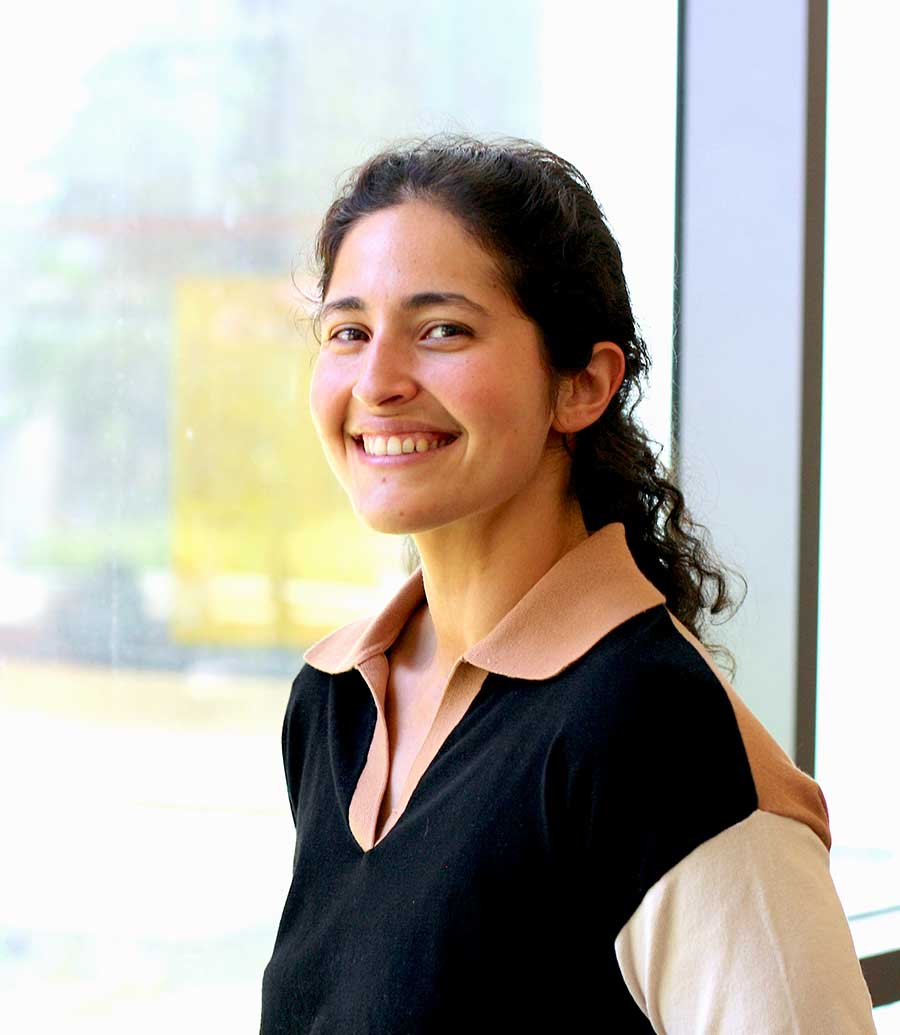
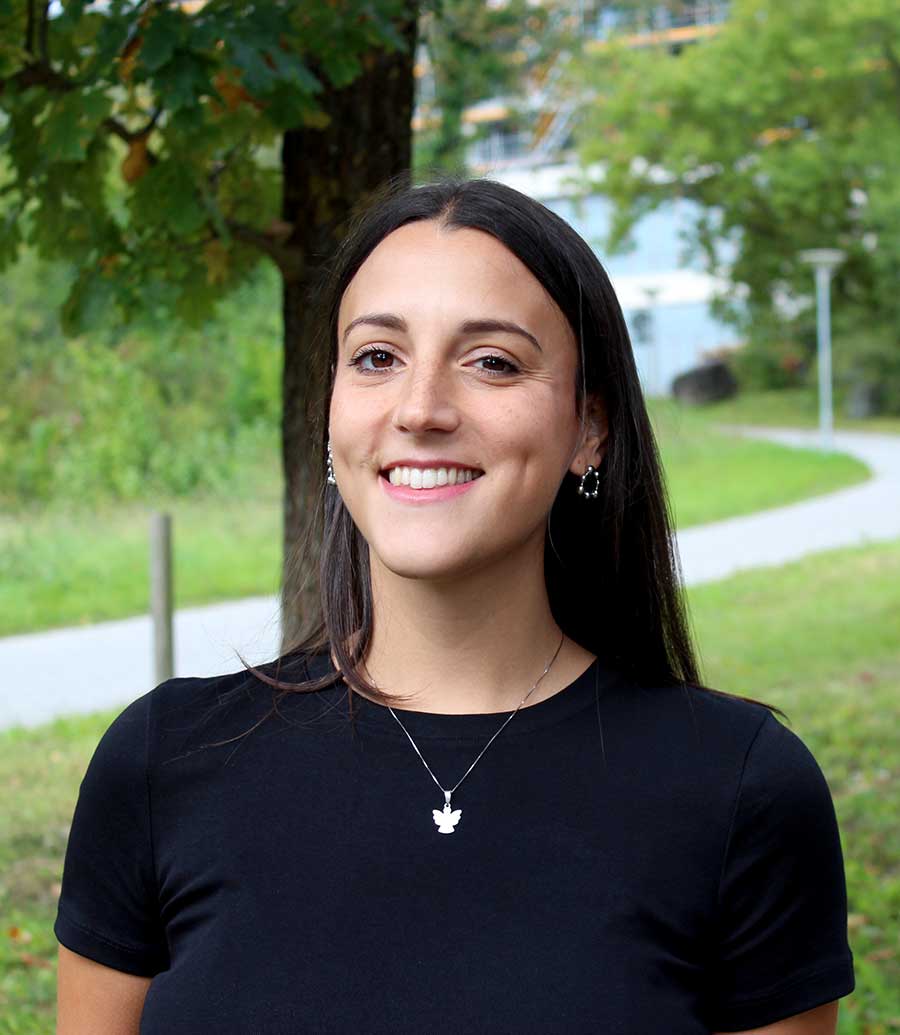
Anne De Mase
Department of Mathematics
Project: Kaplansky embeddings and lifting properties
Anna completed her doctoral degree at the Università degli Studi della Campania “L. Vanvitelli” in 2023 and subsequently continued as a postdoctoral researcher there. Later, she joined Università Roma Tre, where she worked on formal verification and its applications in mathematics. Her doctoral research focused on applying model-theoretic tools to valued fields, which are algebraic structures equipped with a notion of size or divisibility, with a particular emphasis on their value groups. She remains especially interested in the model theory of valued fields and ordered abelian groups, including structures such as Hahn fields and extensions of p-adic fields.
As a postdoctoral researcher, she is specializing in model theory, a branch of logic that studies mathematical structures (such as fields, groups, or ordered sets) through formal languages. “In simple terms, model theory explores what can be defined, proved, or classified within these structures,” she explains. “It has deep connections with many areas of mathematics, particularly algebra, number theory and diophantine geometry.”
At the Zukunftskolleg, her project “Kaplansky Embeddings and Lifting Properties” investigates Hahn fields of power series and their automorphisms. The goal is to construct “good” embeddings of valued fields into Hahn(-like) fields to obtain power series fields with an explicit description of their group of valuation-preserving automorphisms, in both equicharacteristic and mixed characteristic cases.
New ZUKOnnect Fellows at the Zukunftskolleg
In the latest call for applications for ZUKOnnect Fellowships (application deadline: 1 February 2025), we received 95 applications in total of which – after a formal eligibility check – 56 were eligible (18 female; 23 late PhD/ 33 postdoc). Applications came from 38 countries and most departments. The eligible applicants obtained their doctoral degree in 27 countries ranging from Argentina to Uzbekistan: 8 from Nigeria, 8 from Ethiopia, 4 from China, as well as Cameroon, Palestine, Taiwan, and others.
We cordially welcome our new ZUKOnnect Fellows who joined the Zukunftskolleg on 1 August 2025 virtually for one year. They are on campus for 3 to 4 months in autumn/winter 2025/2026.
Nono Bondjengo Ikombe from Congo
Department of Biology
Project: Consumption, inventory and sustainability of mammalian fauna in a community forest west of Salonga National Park, South Block, DR Congo: a case study
Local host: Barbara Fruth
Local people have harvested wildlife for their livelihoods across centuries. Recently, the consumption of wild meat has become a challenge for animal populations. As community forests are emptied, anthropogenic pressure threatens protected areas. In the outskirts of Salonga National Park (SNP), DRC, a UNESCO Natural World Heritage Site and the largest protected rainforest on the African continent, traditional hunting techniques are changing from subsistence to commerce. Here, I compare data on diversity, density and abundance of hunted species from two surveys using line transects and camera traps. In a community forest adjacent to SNP, I conducted a survey in 2017/18, which was reiterated in 2023/24 in the frame of the CASCB project “Ecological and social triggers of human (predator) and animal (prey) movement patterns in Central DRC”. This comparison will make it possible a) to assess the status of the mammal guild of this tropical rainforest at different points in time; and b) to evaluate the trend in diversity, density and abundance of terrestrial mammal species and arboreal primates across time. Through this, the effects of nocturnal and diurnal hunting on the mammal populations in the periphery of SNP will become apparent, in this way informing conservation initiatives in charge of SNP.

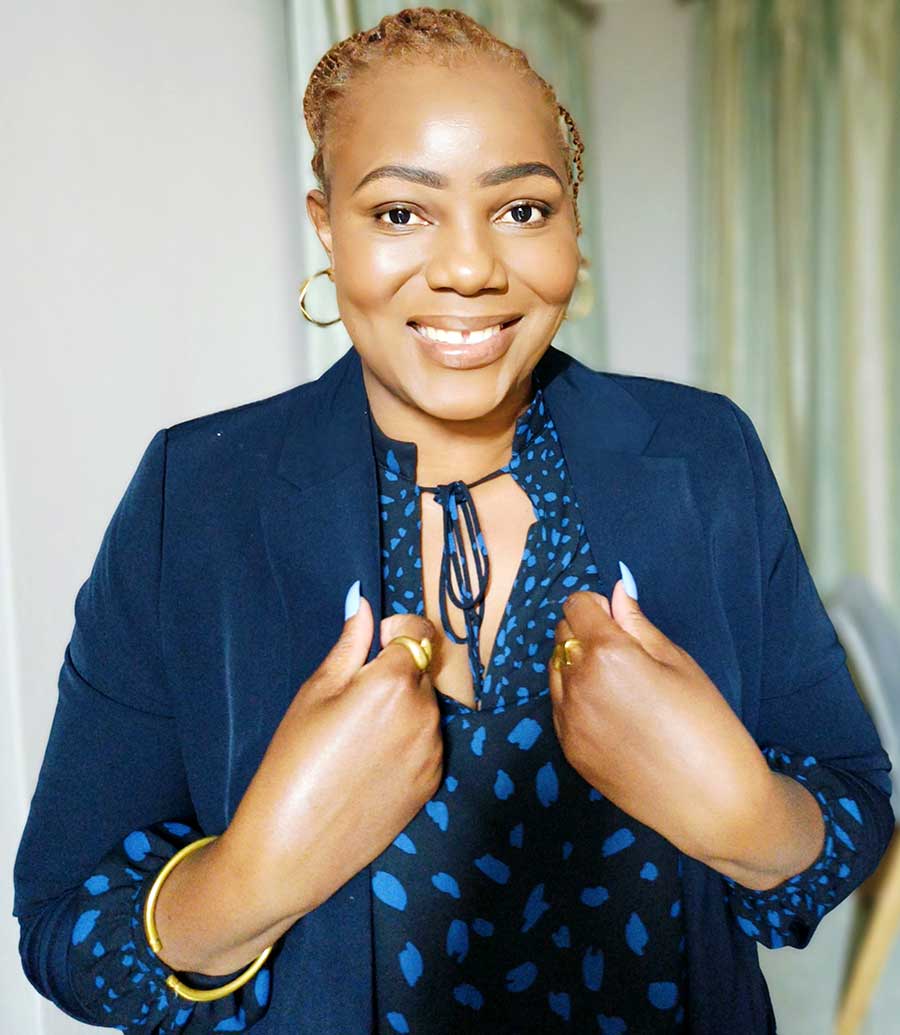
Jamela Hoveni from South Africa
Department of Economics
Project: The intersection between childcare and eldercare: climate change impacts on unpaid childcare in a rural village in South Africa
Local host: Sebastian Koos
This project examines how childcare intersects with the wellbeing of grandmothers, mainly poor elderly women dependent on social grants, charged to look after their grandchildren in Mafarana village, South Africa. Like many rural villages in the South African countryside, Mafarana has been ravaged by climate change, leading to droughts and loss of biodiversity, and intensifying the care burden. The paper draws on ethnographic original field research conducted in Mafarana, South Africa. 15 semi-structured interviews were conducted with grandmothers over the age of 60. The data are analyzed using Taguette software to identify key themes for analysis. The paper finds that there are various reasons why grandchildren find themselves in the care of their grandmothers instead of their mothers and fathers. These include, among others, death of the parents, inadequate wages to support the children in urban areas, single/divorced mothers’ financial constraints, and more. The paper argues that despite the benefits of childcare provided by grandmothers, both in rural areas or in the urban centres as co-residents, this form of care, which is dependent on grandmothers’ social grants, subsidises and facilitates the low-wage regime fostered by the state and private employers in South Africa. This reinforces race, gender and labour market inequalities. In some instances, the research found that due to their advanced age, unemployment and poverty, this form of care causes significant stress on grandmothers because of unequal and gendered burdens of care work.
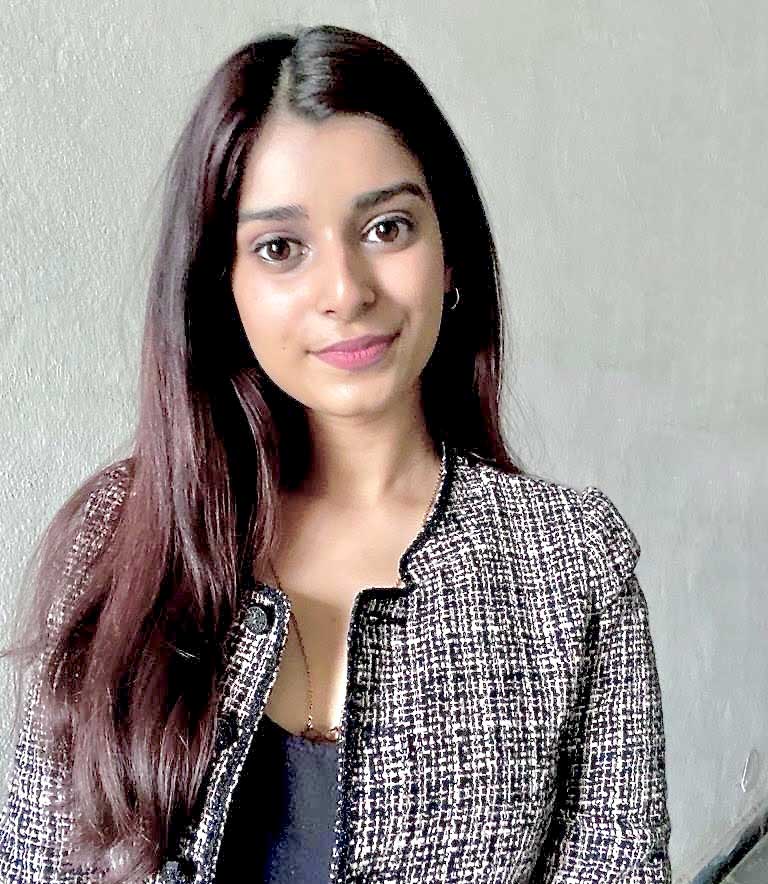
Anushree Mishra from India
Department of Linguistics
Project: Patterns in Ellipsis: Syntax, Variation and Interpretive Mechanisms
Local host: George Walkden
The project investigates ellipsis and silence as structured linguistic strategies that shape human communication. Building on her doctoral work on sluicing, Anushree Mishra proposes a project that will compare ellipsis mechanisms across typologically diverse languages, particularly Indo-Aryan and European Romance families, to uncover how geographic and cultural contexts influence linguistic economy. A second objective focuses on computational modelling: ellipsis challenges current NLP systems, and her documentation of typologically distinct ellipsis types can inform algorithms that better emulate human inferencing. Finally, through the SiNoSi initiative, she will explore ellipsis as a form of grammatical silence, contributing to the CRC’s Algorithm of Interpretation. This work will frame ellipsis not as absence but as an active signal guiding interpretation. Bridging linguistic theory, cognitive science and AI, the project supports the Zukunftskolleg’s interdisciplinary vision by advancing our understanding of silence as a universal and computationally relevant phenomenon in language.
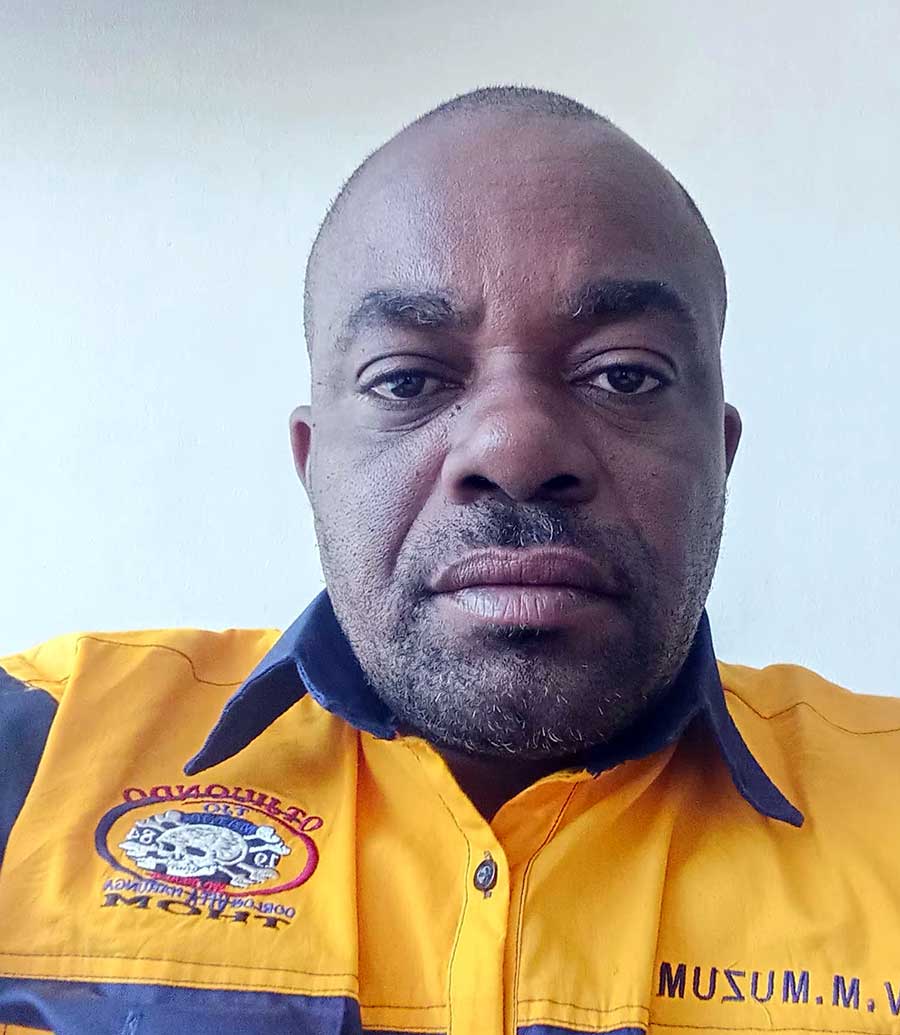
Uakendisa Muzuma from Namibia
Department of Biology
Project: The spatial ecology of the human-lion interface in arid north-western conservancies, Kunene Region, Namibia
Local host: Genevieve Finerty and Natalia Borrego
The African lion is experiencing population declines due to human-lion conflicts and habitat loss, necessitating urgent conservation efforts. The proposed research will focus on communal wildlife areas in northwest Namibia, analyzing the spatial ecology of lions and their interactions with livestock. The study will include the analysis of GPS movement data for both lions and livestock, as well as a home range analysis and assessment of habitat selection using the Resource Selection Function (RSF). The research aims to help policymakers develop strategies to mitigate human-lion conflicts and can also inform conservation efforts for other conflict-prone species.
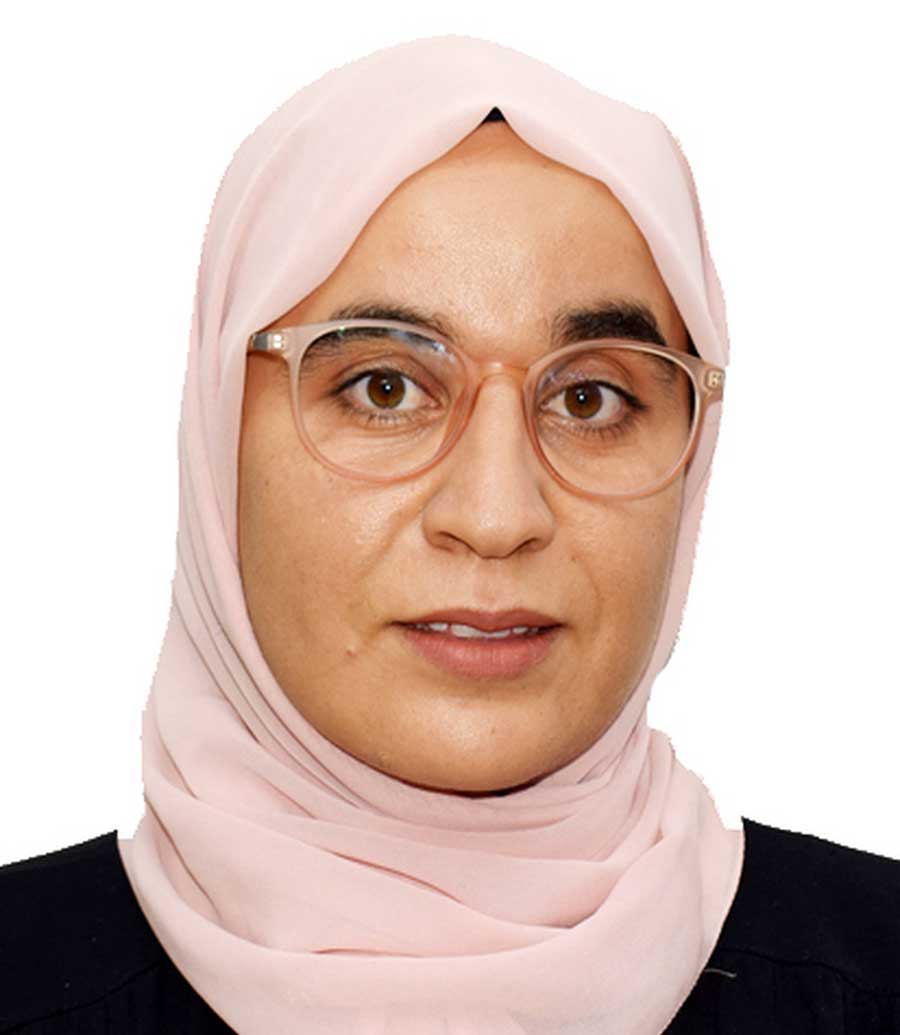
Ines Neji from Tunisia
Department of Computer and Information Science
Project: Smart Farming and Digital Twins using AI
Local host: Daniel Keim
This research project centres on the development of an AI-powered digital twin framework to advance precision agriculture and promote sustainable farm management. By leveraging cutting-edge machine learning techniques in conjunction with imaging and environmental data, the project seeks to build intelligent models for real-time crop monitoring, early disease detection and efficient resource optimization. The framework integrates live field inputs with dynamic virtual simulations, enabling proactive, data-informed decision-making for farmers and agricultural stakeholders. Conducted in partnership with the University of Konstanz, the initiative combines on-site experimentation with remote system development and encompasses the design, validation and deployment of a fully functional digital twin prototype. The project is poised to significantly contribute to the digital transformation of agriculture by delivering forward-looking solutions to contemporary farming challenges and bridging the gap between physical farm environments and their intelligent digital counterparts.
Gashaw Woldetsadik from Ethiopia
Department of History and Sociology
Project: Towards inclusive education: Harnessing need-based digital solutions and exploring technology strategies to enhance basic education sustainability in pastoralists in Ethiopia and Eastern Africa
Local host: Elisabeth Maué
This research proposal aims to explore need-based digital solutions and technology strategies to enhance basic education sustainability for pastoralists in Ethiopia and Eastern Africa. Recognizing education as a critical tool for addressing global environmental challenges, the study focuses on marginalized pastoralist communities often hindered by their nomadic lifestyles, political marginalization and geographic isolation intensified by the lack of educational inclusiveness and the digital divide. Despite advancements in ICT, these communities face significant barriers to accessing quality education, which is essential for tackling climate change and promoting sustainable development. Therefore, the study will investigate existing educational frameworks, identify effective digital alternatives and suggest innovative pedagogical approaches tailored to the unique needs of pastoralists. By employing a mixed-methods research design, including qualitative interviews and surveys, the study seeks to gather insights from key stakeholders and analyze successful educational initiatives in similar contexts. Ultimately, the research aims to provide evidence-based policy recommendations that empower pastoralists through enhanced educational access and eco-literacy, thereby enabling them to engage with and mitigate the impacts of climate change. Finally, this comprehensive approach will contribute to a more inclusive educational framework, fostering resilience and sustainability within pastoralist communities.
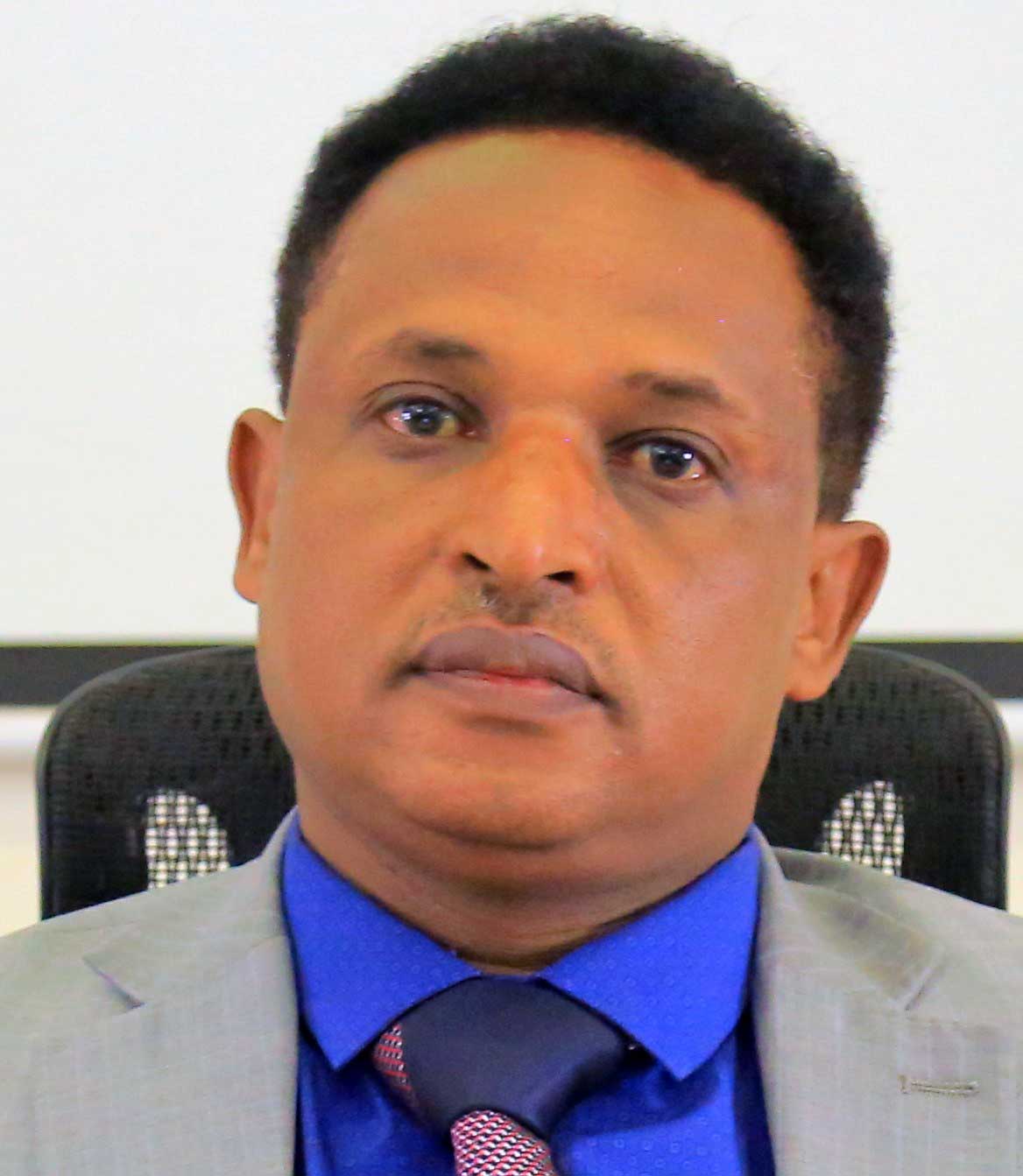
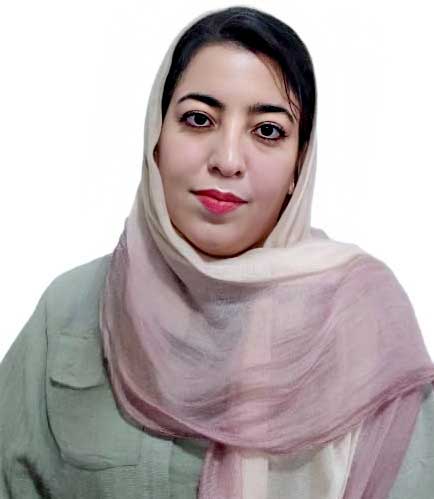
Masoumeh Zarei from Iran
Department of Linguistics
Project: Passive and Relative Clause Comprehension in Garrusi Kurdish
Local host: Theo Marinis and Anamaria Bentea
This project aims to investigate how speakers of Garrusi Kurdish process and comprehend passive and relative clause structures in real time, using experimental methodologies. It will explore the speakers’ comprehension alignment with their production preferences, examining the impact of verb type, subject-object distinguishment and word order in processing these structures. For this purpose, comprehension experiments, using self-paced reading tasks, will be designed and the speakers’ reading times will be measured. Then, the data will be analyzed to identify patterns in comprehension, focusing on the impact of verb type, word order and syntactic complexity. The comprehension experiment results will also be compared with previous findings on production to determine whether speakers’ preferences align across modalities. This project will provide a deeper understanding of Garrusi Kurdish speakers’ comprehension of passive and relative clause structures. It will produce novel insights into the cognitive processes involved in processing complex syntactic structures in an underrepresented language and develop a foundation for experimental research on language comprehension in minority languages
The “Centre for the Advanced Study of Collective Behaviour” is funding the fellowship of Nono Bondjengo, the Cluster of Excellence “The Politics of Inequality” the fellowships of Jamela Hoveni and Gashaw Woldetsadik. The foundation “Manfred Ulmer-Stiftung für Wissenschaft und Gesellschaft” at the University of Konstanz is partially funding Uakendisa Muzuma’s fellowship.
You can find more information about the ZUKOnnect Fellows and their research projects here.
Senior Fellows at the Zukunftskolleg
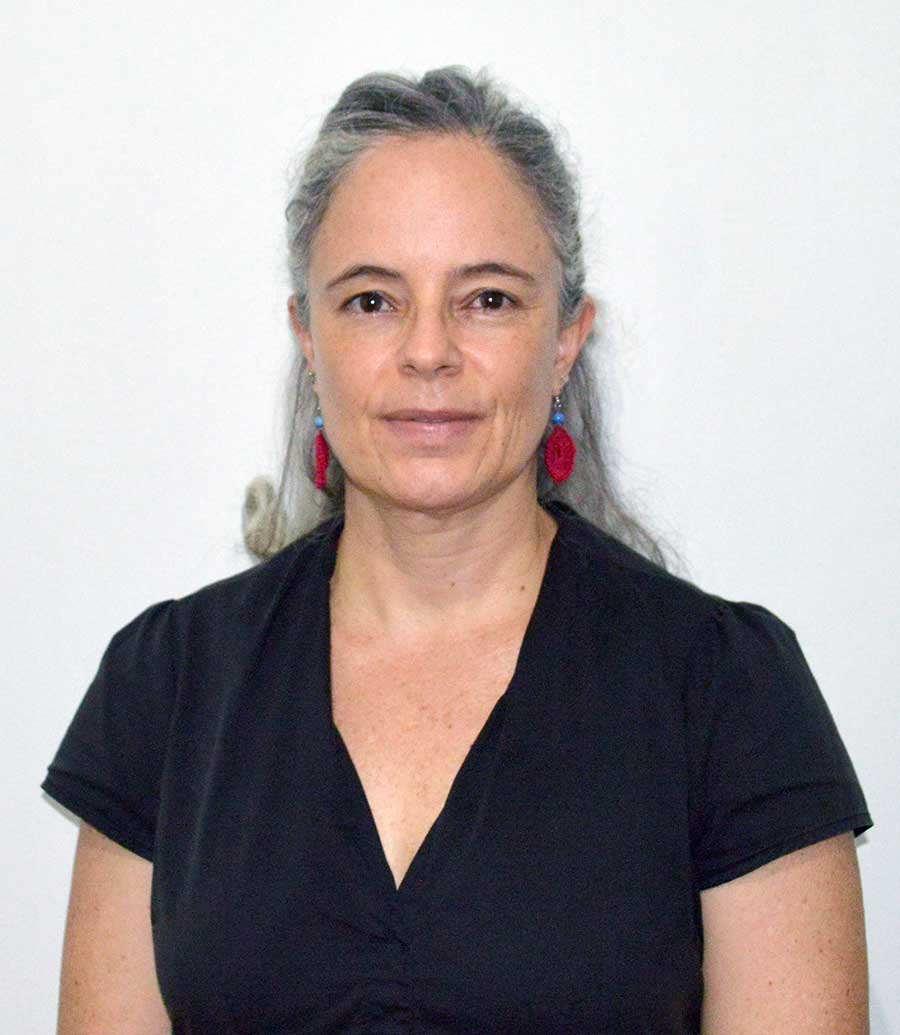
Gloriana Chaverri, University of Costa Rica
Department of Biology
Project: Group cohesion in animal societies
Fellow host: Gabriella Gall
Much of Gloriana’s research has focused on the topic of how, and why, many animal species maintain predictable associations with a specific set of conspecifics while others do not. For example, in Chaverri and Kunz (2010) she compared different species of tent-making bats to assess how roost ecology might explain various aspects of social living, including group cohesion. In two other studies, she compared populations that encounter differences in resource abundance and found that group cohesion varies among these populations (Chaverri et al. 2007; Chaverri 2010). In fact, one of her main research interests is to understand how the environment influences social aggregations, specifically how groups are formed and maintained.
David Gugerli, ETH Zürich
Department of History and Sociology
Project: Contre Rôles
Following various projects on the question of how the world got into the computer, he was interested in exploring forms of the disappearance of technology. His current research project is dedicated to the formatting achievements of bureaucratic contre rôles. How do citizens, soldiers or employees become the commodities of state, military and corporate administrative apparatuses in the 20th century?
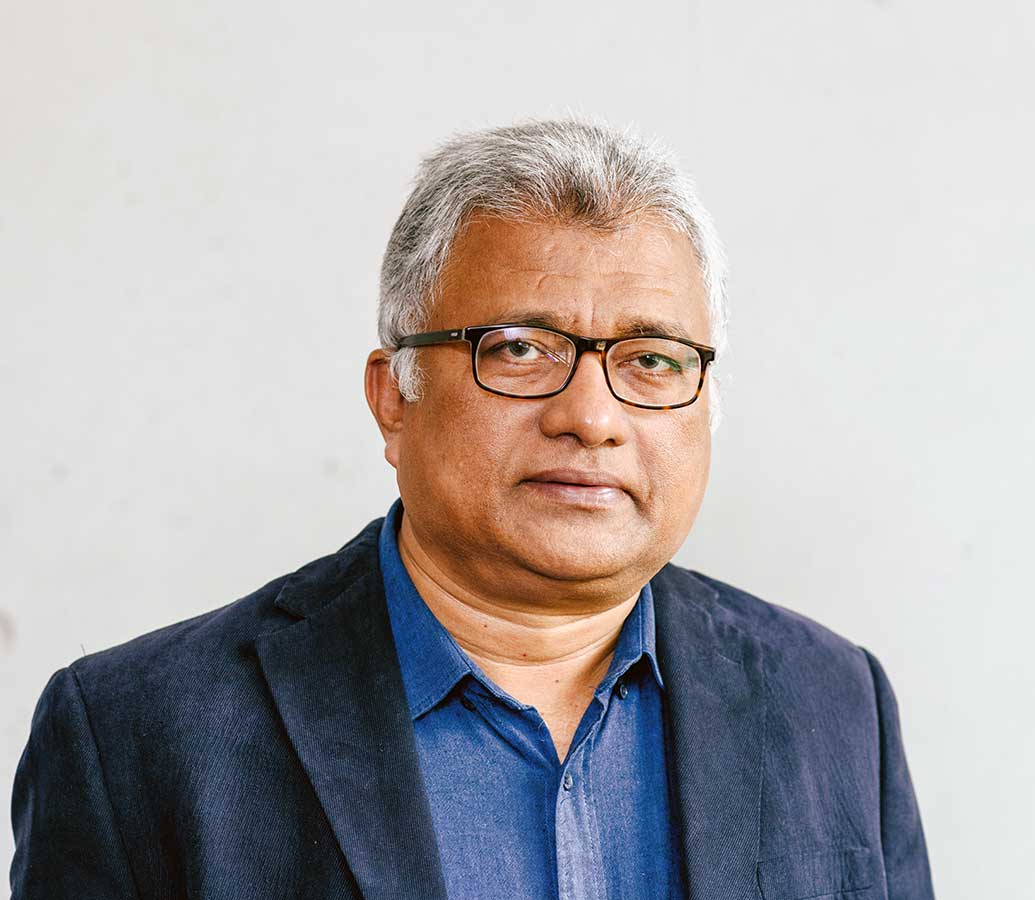
Babu Thaliath, School of Language, Literature & Culture Studies, Centre of German Studies, Jawaharlal Nehru University, New Delhi, India
Department of Philosophy
Project: The Historicity of Axioms. The historicizing effect of mathematical formalism on the axiomatization of early modern sciences.
Fellow host: Carolin Antos-Kuby
Babu Thaliath’s research mainly examines the historical influence of mathematical formalism on the axiomatization or axiomatic development of early modern mathematical sciences, especially mechanics. The theoretical framework of the research is based on identifying and studying the complementarities between the otherwise historically and theoretically opposed formalism of Hilbert’s and Kant’s intuitionism. This requires an extensive investigation of the genesis and development of synthetic and analytic approaches in the axiomatization of mathematics, particularly geometry, in the modern age. From his previous postdoctoral research in Berlin and Cambridge, Babu Thaliath is familiar with the synthetic framework of the historic axiomatization of early modern mathematical sciences. However, he has yet to procure sufficient knowledge of the analytical frameworks of axiomatics, as is particularly evident in the context of logical empiricism in the 20th century, represented in the works of Rudolf Carnap, Herbert Feigl, Hans Reichenbach, Moritz Schlick, Otto Neurath, Carl G. Hempel, W.V.O. Quine, Kurt Gödel et al. The seminal works of these philosophers are available in the Philosophical Archive of the University of Konstanz. Therefore, the Senior Fellowship enables Babu Thaliath to find the necessary materials for his research in the archive, the university library and the seminar libraries in Konstanz.
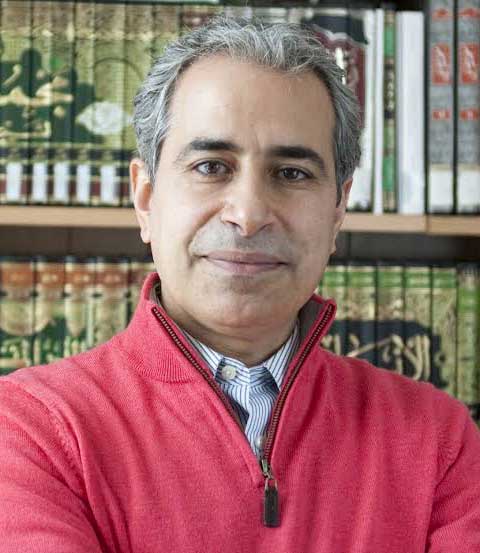
Suleiman Mourad, Smith College, Northampton, USA
Department of History and Sociology
Project: Islamic Law on War and Peace and its Impact on Diplomacy and Diplomatic Relations between the Muslims and the Franks in the Crusader Period
Fellow host: James Wilson
His research project relates to Muslim-Crusader interactions in the 12th and 13th centuries. The historian specifically seeks to study the reciprocal impacts of diplomacy and diplomatic relations between Muslim and Frankish rulers and Islamic law during the period we generally call “the Crusades”. The project’s focus is to identify and examine the role of Islamic law and Muslim jurists who were involved in the drafting and vetting of treatises, truces, alliances, and diplomacy in general, between Muslim and Frankish leaders. It will also study the Islamic religious and legal arguments used to justify them, as well as their terms and duration, and determine if the Islamic laws on war and peace were impacted or revised in light of Muslim-Frankish diplomacy. The project will equally assess whether diplomacy placed restrictions on wars or created alternative avenues and frameworks for Frankish and Muslim actors to pursue in order to settle disagreements and grievances away from the battlefield, and to what extent these dynamics gave rise to an international “system” of medieval diplomacy and peace-making that informed and shaped modern international relations and international law.
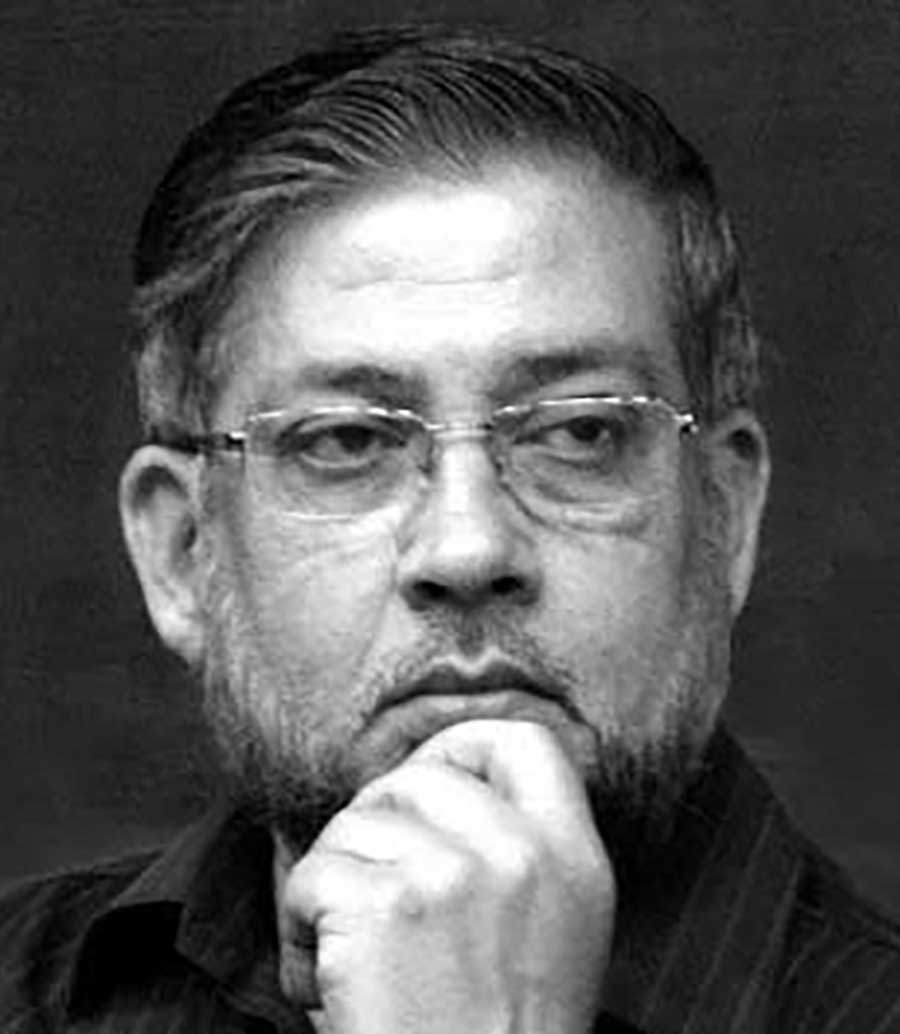
Raghavendra Gadagkar, Centre for Ecological Sciences, Indian Institute of Science, Bangalore, India
Department of Biology
Project: Can We Understand an Insect Society?
During the past 40 years, Raghavendra Gadagkar has established an active school of research in the area of animal behaviour, ecology and evolution. The origin and evolution of cooperation in animals, especially in social insects, such as ants, bees and wasps, is a major goal of his research. By identifying and utilizing crucial elements in India’s biodiversity, he has added a special Indian flavour to his research.
Rita Velloso, Federal University of Minas Gerais, Brazil
Department of History and Sociology
Project: Building Transdisciplinary Research on Brazilian Urban Studies
Fellow host: Gruia Badescu
Fellow host: Gruia Badescu
Rita Velloso’s project, "Building Transdisciplinary Research on Brazilian Urban Studies," aims to strengthen institutional collaboration between UFMG’s Institute for Transdisciplinary Advanced Studies (IEAT) and the Zukunftskolleg, creating a sustained academic exchange between Latin America and Europe. Her research not only engages with pressing urban issues in Brazil but also situates them within broader global debates on urbanization, ecology, and social inclusion. Her methodological framework integrates insights from architecture, geography, history, and anthropology, fostering innovative discussions on urban transformations. This interdisciplinary perspective will be particularly beneficial for research clusters at the University of Konstanz, such as the Cluster of Excellence “The Politics of Inequality” and the Latin America Forum, where Rita Velloso’s work on urban insurgencies and cosmopolitan imaginaries can contribute to ongoing discussions on social inequalities and urban marginalization.