Interdisciplinary talks – intergenerational exchange – international perspectives
Every Tuesday during the semester, the fellows actively live the Zukunftskolleg’s 5i strategy when they meet for the Jour fixe – in an interdisciplinary and intergenerational audience with both intra-university colleagues and international guests – to present and discuss their current projects.
Here you can see all Jour fixe presentations that took place in the past year:
Jour fixe in the 2024/2025 winter semester
22 October
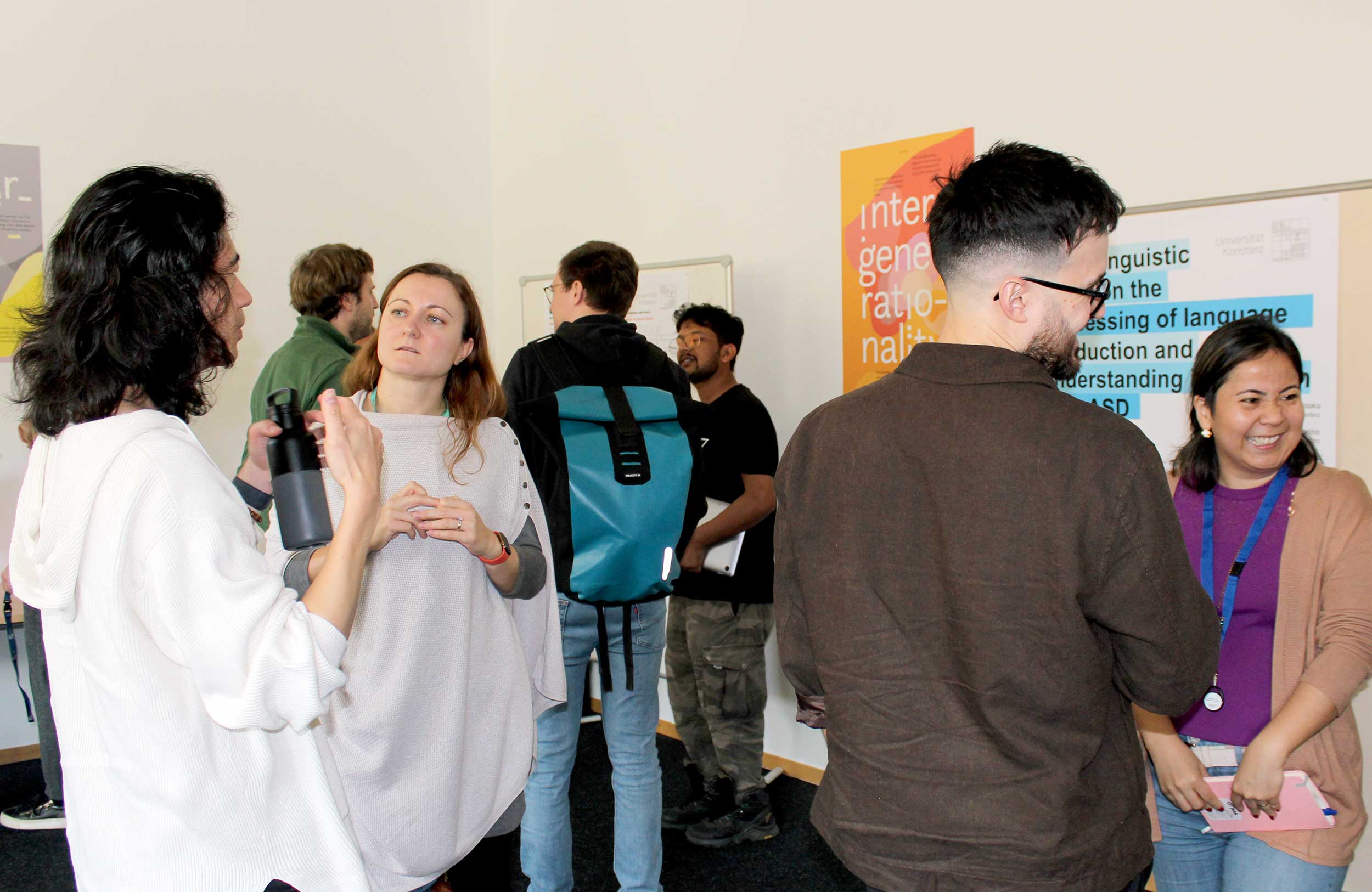
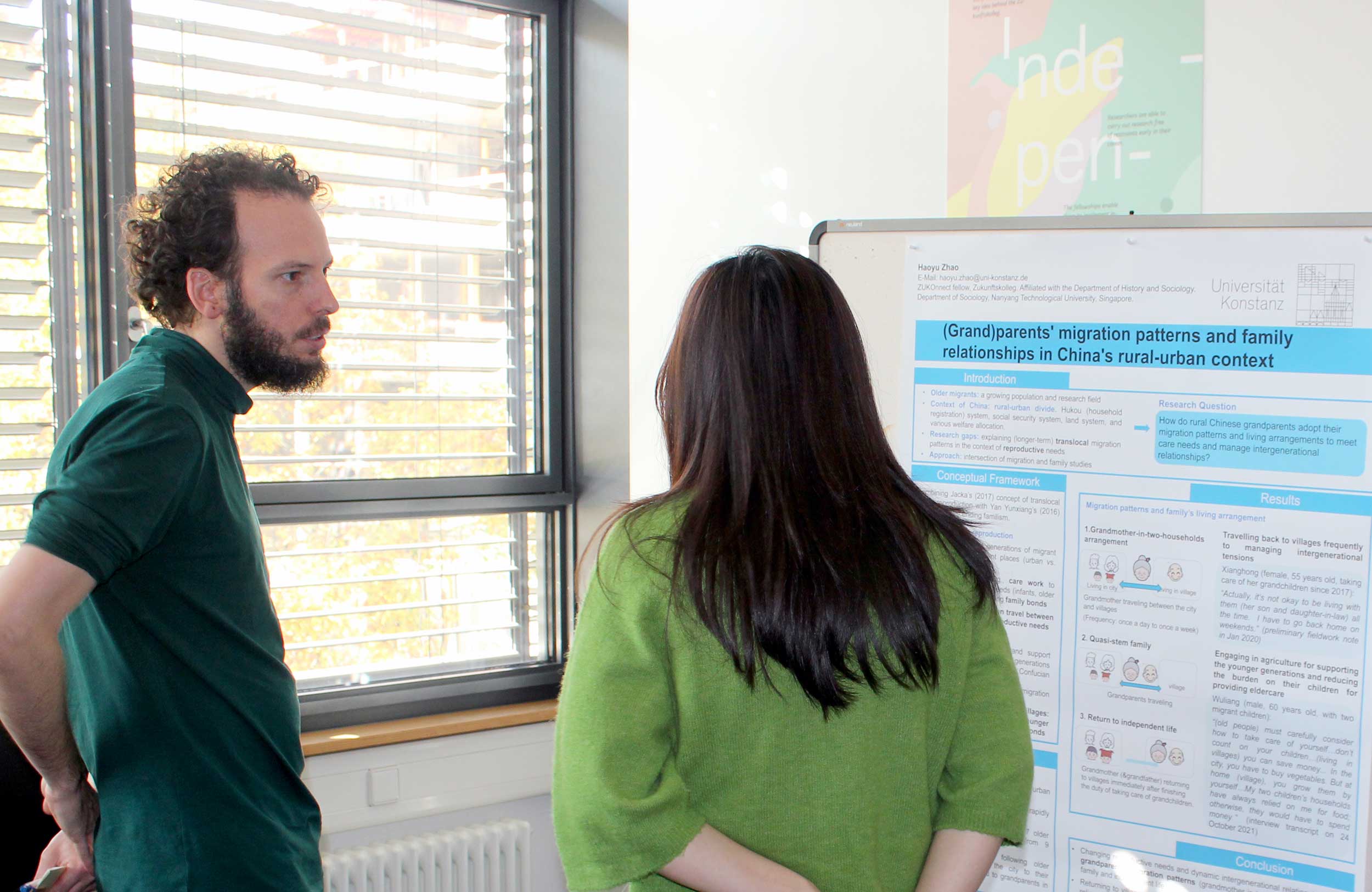
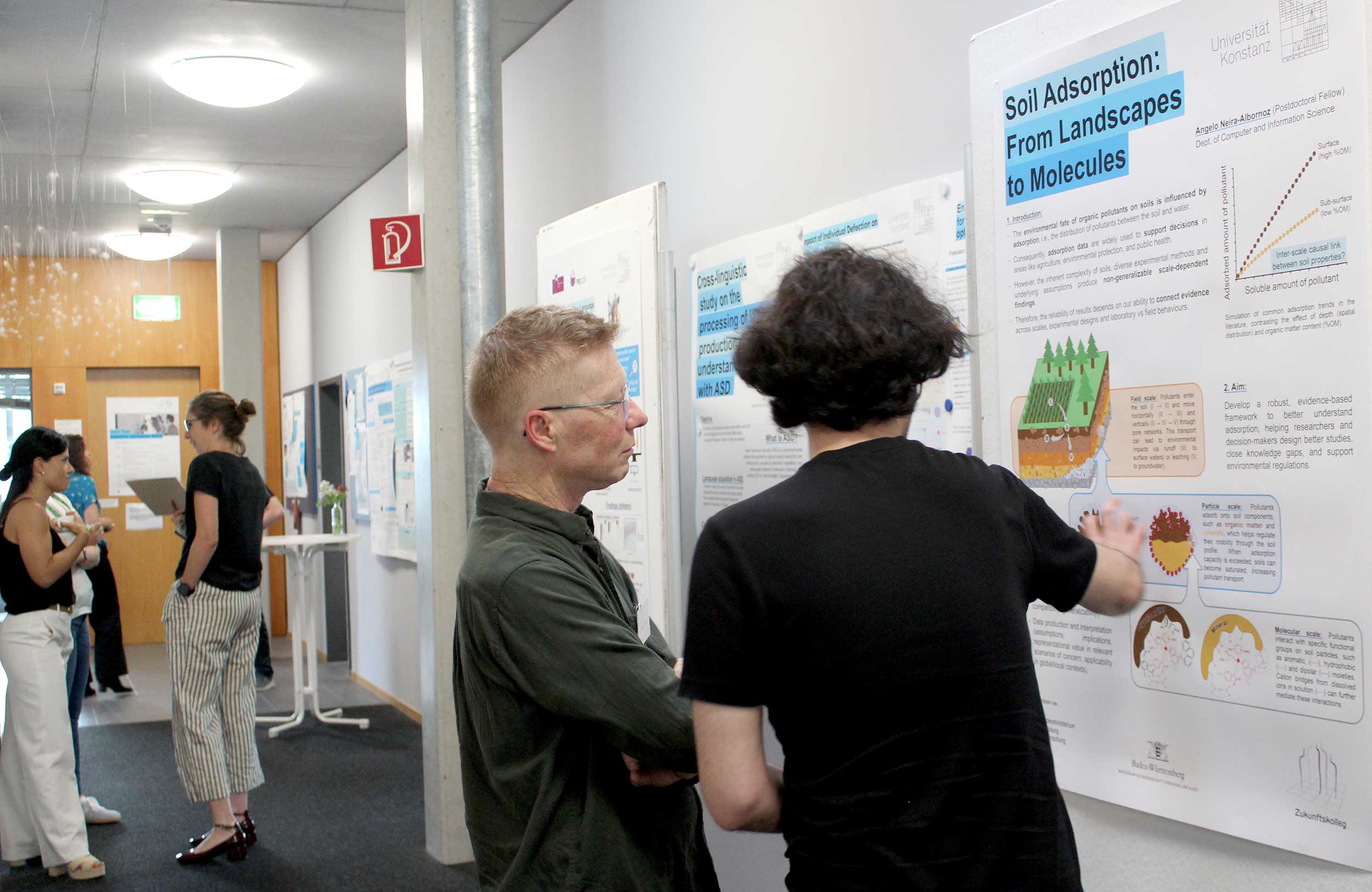
ZUKOnnect Poster Session
At the first Jour fixe of the winter semester, the eight new ZUKOnnect Fellows (2024/25 cohort) presented their research projects:
At the first Jour fixe of the winter semester, the eight new ZUKOnnect Fellows (2024/25 cohort) presented their research projects:
Antonieta Martínez Guerrero, Mexico
Department of Computer and Information Science
Project: Construction and Analysis of the Functional Network of the C58/J Strain: Brain Connectivity and Complexity in a Murine Model of Autism
Local host: Ahmed El Hady
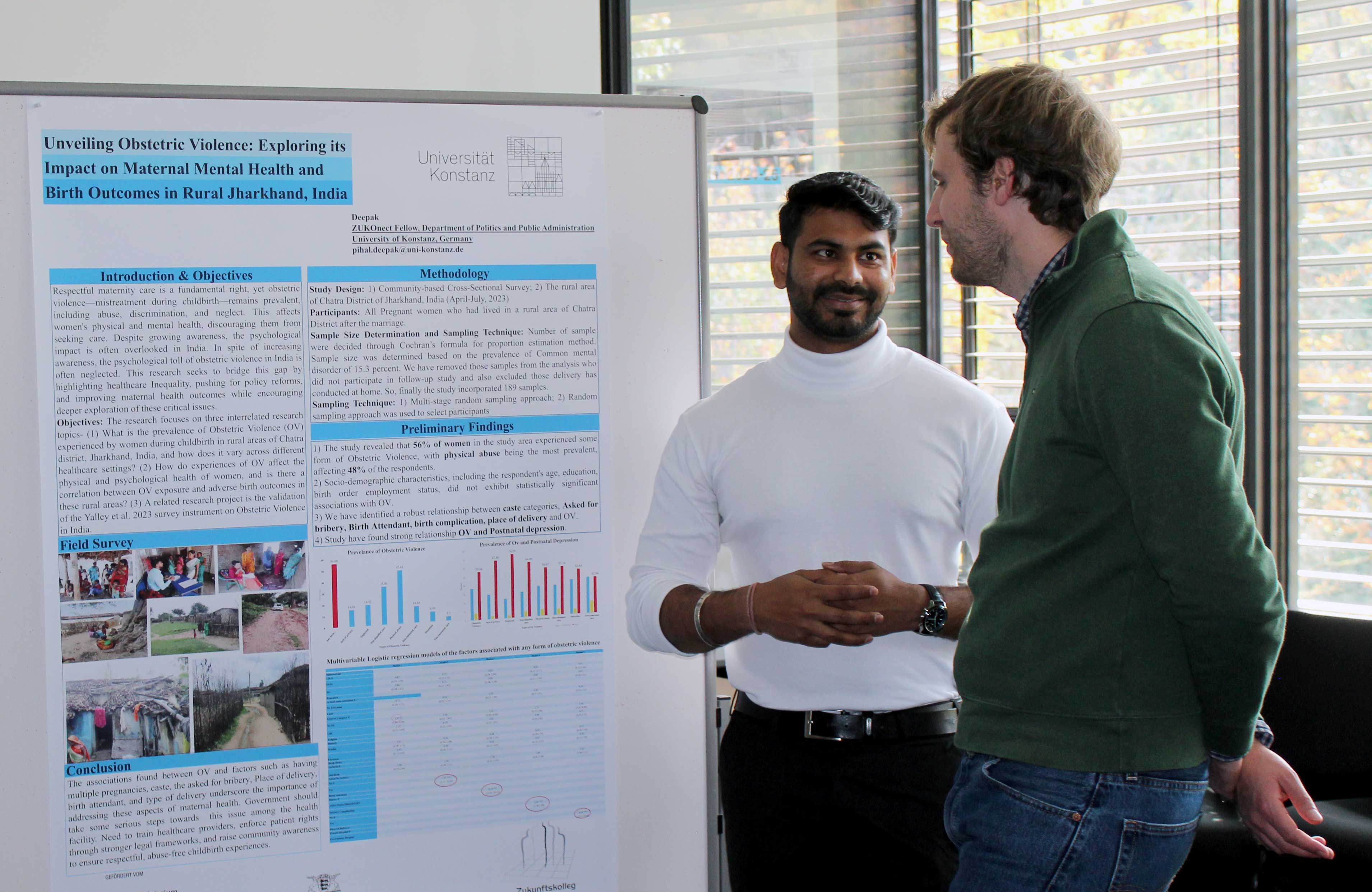
Pihal Deepak, India
Department of Politics and Public Administration
Project: Unveiling Obstetric Violence: Exploring its Impact on Maternal Mental Health and Birth Outcomes in Rural Jharkhand, India
Local hosts: Anke Höffler & Abena Yalley
Swadhin Agrawal, India
Department of Computer and Information Science
Project: Exploring Collective Motion Through Evolutionary Game Theory
Local host: Liang Li
Patrick Jules Atagana, Cameroon
Department of Biology
Project: The influence of landscape phenology and climate on collective roosting in straw-coloured fruit bats
Local hosts: Meg Crofoot & Dina Dechmann
Haoyu Zhao, China
Department of History and Sociology
Project: Housing strategies, living arrangements and intra-family politics of migrant families in a small Chinese city
Local host: Susanne Strauss
Cinthia Sayuri Misaka, Brazil
Department of Linguistics
Project: Cross-linguistic study on the processing of language production and understanding in children with ASD
Local host: Theodoros Marinis
Francisco Fuica Villagra, Chile
Department of Mathematics and Statistics
Project: Efficient numerical characterization in multi-objective pointwise tracking optimal control problems
Local host: Stefan Volkwein
Elisa María Sol Porcel, Argentina
Department of Biology
Project: Metabolism in Lakes of the Strobel Lake Plateau (Patagonian Steppe, Argentina)
Local host: Frank Peeters
After a joint lunch, the poster session started with a short round of lightning talks, in which each of the ZUKOnnect Fellows spoke on their research topic for two minutes. Afterwards, the posters were presented to the audience.
Dirk Leuffen (Vice Rector for Research, Innovation and Impact) opened the session.
29 October
Shao-Min Hung (Research Visit Fellow, Waseda Institute for Advanced Study, Waseda University, Tokyo, Japan / Psychology): “Attentional modulation in the unconscious sensory world”
Abstract
Attention seems to constrain how we perceive the world, that is, our conscious experience. Does this attentional constraint extend to sensory information that remains unconscious to us? In this talk, Hung showed that attention, specifically how focused we are on a task, gates unconscious semantic processing. In a series of psychophysical experiments, his research team found that participants’ response to a Stroop word slowed down when a preceding unconscious prime word had an incongruent meaning. Critically, this unconscious interference occurred only when the task was word-naming (easy), but not colour-naming (hard). Furthermore, in an ongoing fMRI study, they found that, in the early visual cortex, compared to an incongruent prime, a congruent prime prompted stronger target activation only in the word-naming session, showing successful registration of unconscious information. This difference disappeared in the colour-naming session. Lastly, Hung talked about using this paradigm to study cognitive ageing in older individuals, which revealed that older individuals with a higher risk of developing Alzheimer’s were more susceptible to unconscious interference, potentially linked to how they used attention. Together, these results demonstrate that similar to conscious processing, unconscious processing is under attentional modulation.
05 November
Gloriana Chaverri (Dept. of Biology) from the Universidad de Costa Rica: “Group stability in bats and beyond”
Abstract
This talk explored the concept of group stability in animal societies, using disc-winged bats (Thyroptera tricolor) as an example. Chaverri’s interest in this topic began during her PhD at Boston University, where she collaborated with experts in bat roosting and behavioural ecology. Fascinated by how resources shape social structures, particularly group stability, she focused on the influence of environmental factors on social cohesion. In this talk, Gloriana Chaverri presented key findings from her studies and provided a brief overview of what is currently known about patterns of group stability across species, highlighting both established knowledge and areas that remain understudied. The goal of her talk was to give an overview to provide a framework for understanding why group stability is crucial in both small bat populations and larger social systems, with potential applications beyond the specific case of bats.
Here are three papers relevant to the topic:
12 November
Pitch Workshop by Academic Staff Development (ASD): Presentation Skills
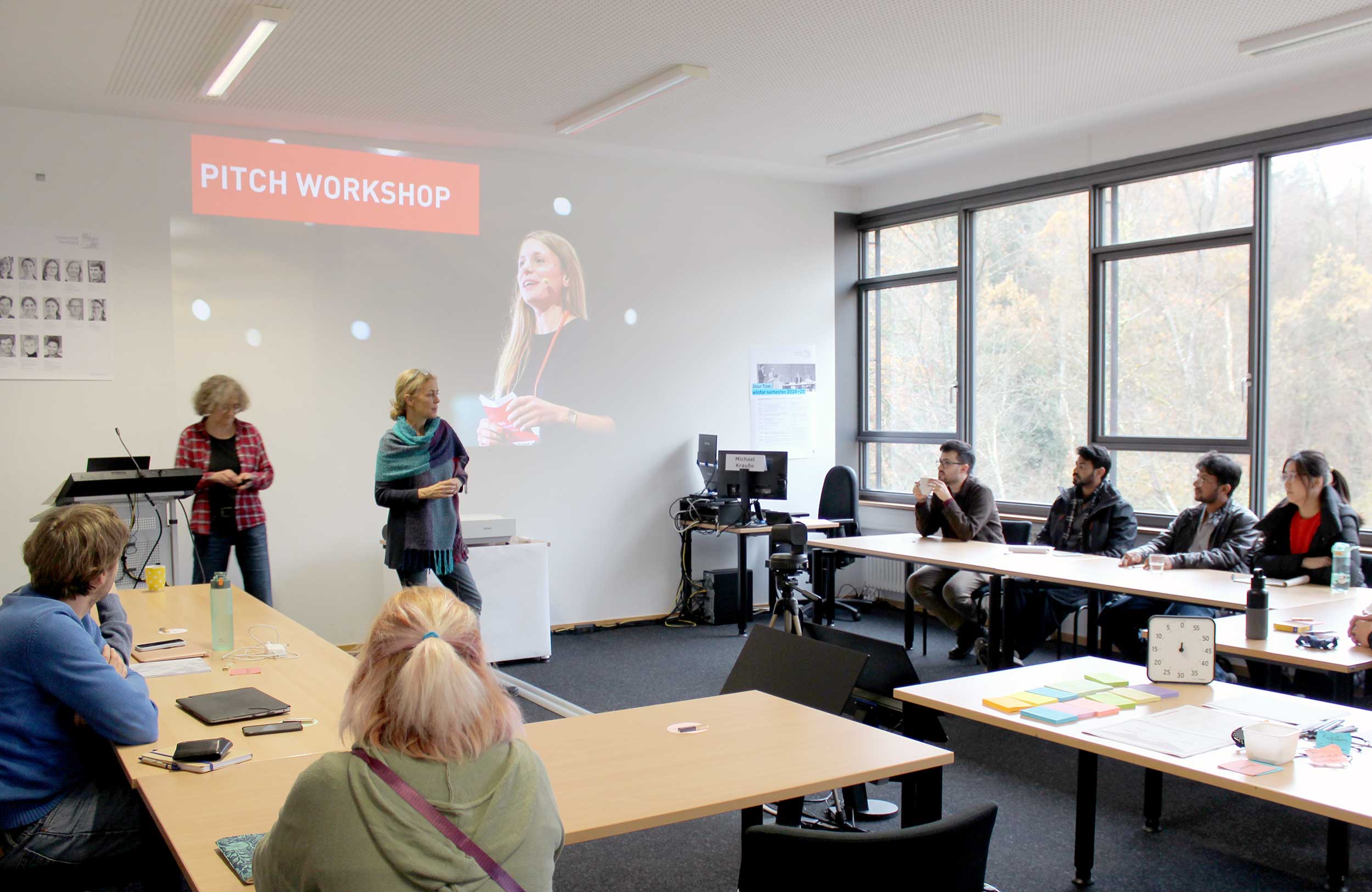
Academic Staff Development (ASD) offered a pitch workshop to improve presentation skills.
About the workshop:
As scientists, there are many opportunities for us to communicate our research interests to a lay audience. This requires a concise, clear and interesting ‘pitch’ that can be delivered in a short time. Yet, we rarely practise doing this and often discuss our research mainly with our peers.
In this course, the participants learnt to present their own research findings or topic in an understandable and compelling way in just three minutes.
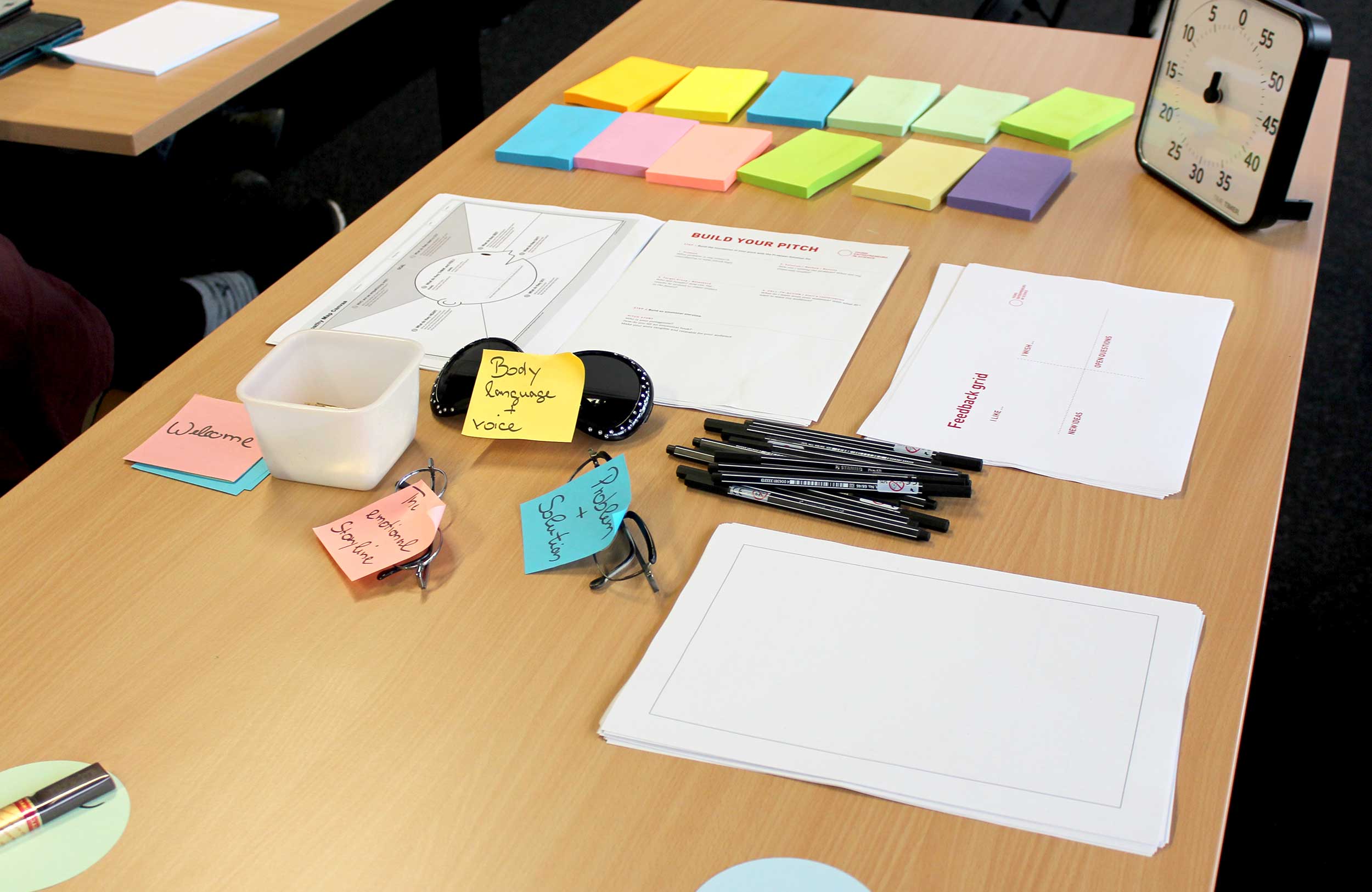
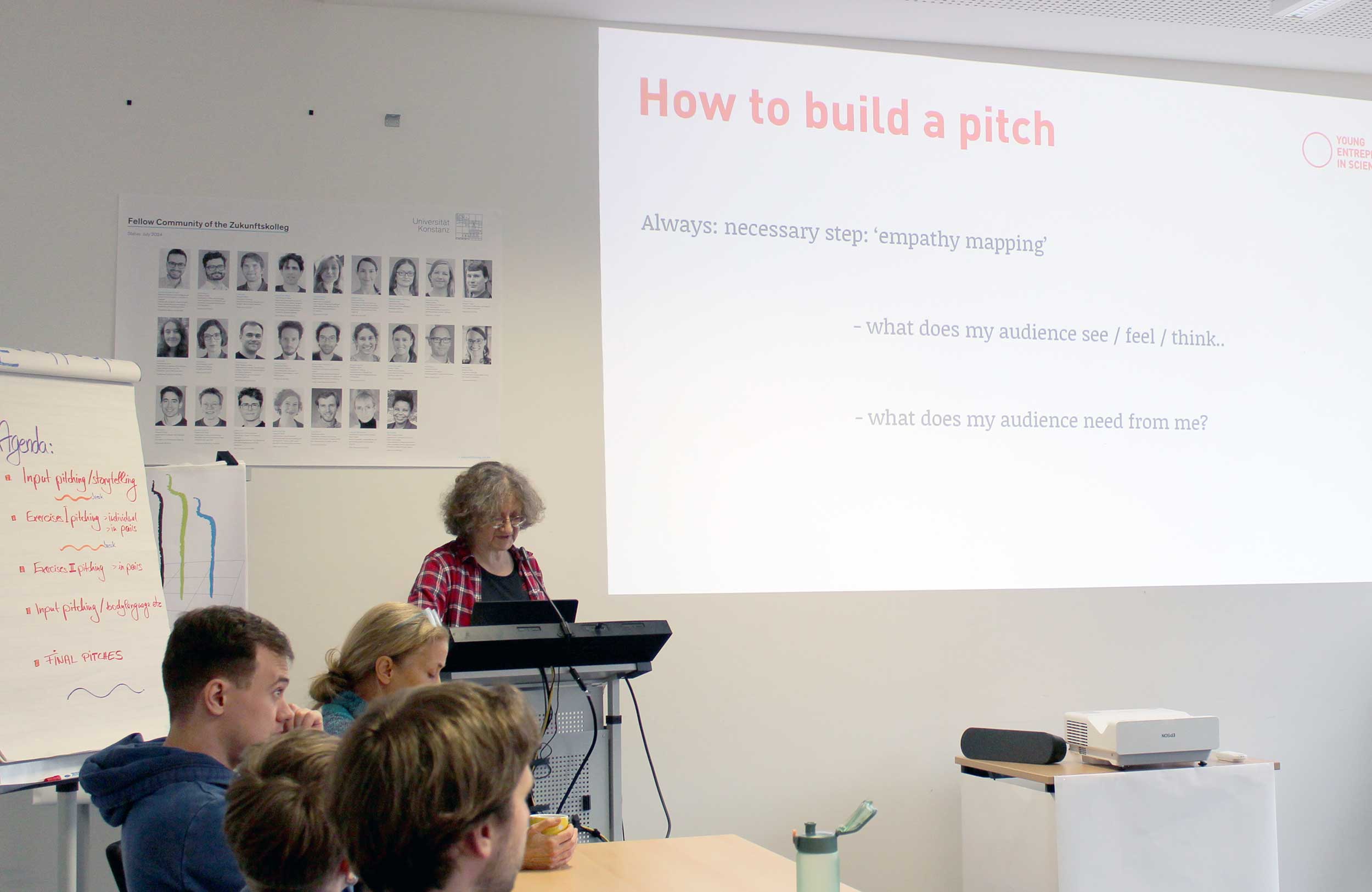
The workshop gave a comprehensive introduction to the art of pitching and storytelling. The fellows first looked at what makes a successful pitch and how to engage their audience from the start. They then learnt how to clearly structure their message and tell stories that engage their audience.
The heart of the workshop was the preparation and practising of the fellows’ own pitches. They worked to get to the crux of their complex research findings or topic and make it understandable.
They first practised in groups and received valuable feedback, which helped to improve their presentation skills and get the pitch on point.
Having completed this pitch training, the participants will be able to present complex scientific content in a clear, concise and compelling manner. Whether in front of a professional audience, potential funders or the general public, they will be able to engage their audience and convince them of the relevance of their work.
19 November
Open Jour fixe within Postdoc Week at the University of Konstanz
Postdoc Week was aimed at postdoctoral researchers at the University of Konstanz in all career stages and disciplines. Information on academic careers and alternative career paths was provided, and networking and guidance at the University of Konstanz were promoted.
The highlight was a festive opening event on Monday, 18 November, with an expert panel discussion on artificial intelligence in science and a reception with information stands by Support Services. The Zukunftskolleg also attended with an information stand.
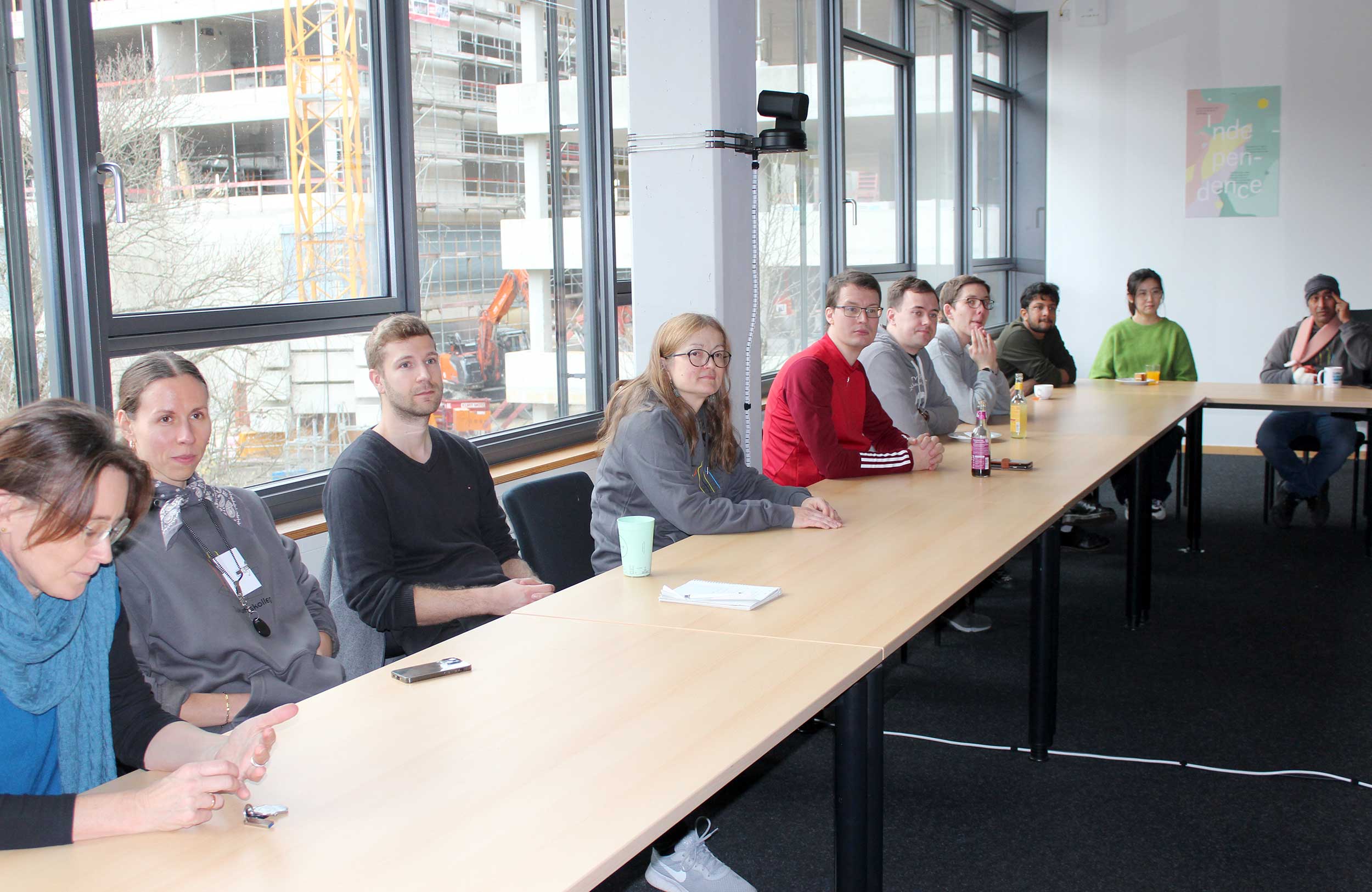
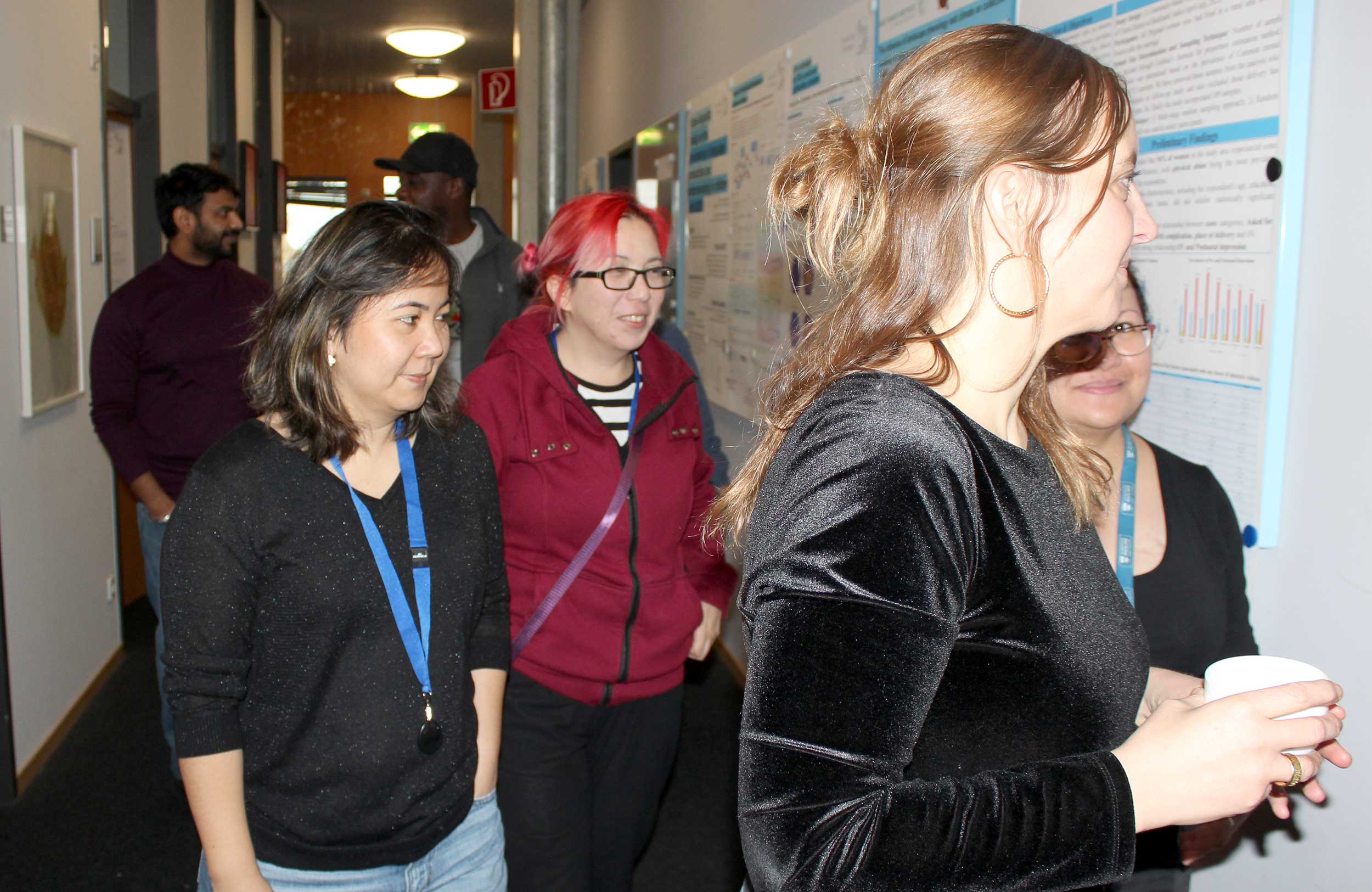
On Tuesday, 19 November, the Zukunftskolleg offered an Open Jour fixe / Zukunftskolleg Open door. There, the Zukunftskolleg fellows had the possibility to meet other postdoctoral researchers from the university, share experiences and present their research projects.
26 November
Angelo Javier Neira Albornoz (Postdoctoral Fellow / Computer and Information Science): “Soils: An Intersection of Nature and Society”
Abstract
Soils have always been with us, defining and shaping our (agri)cultural practices, landscaping urban scenarios, and inspiring people, from artists to politicians. However, their impact is so inherent and implicit that we rarely give soils the attention they deserve. Let’s think for a second: What is soil? Is this definition linked to the services soil provides to humans? Is there any value in soils beyond their usefulness?
Based on soil omnipresence and relevance throughout human history, this talk focused on two main topics that inspired Albornoz’s postdoctoral project: (1) Common human perceptions about soils and how they have permeated the way we do soil research. (2) How human perceptions and interests impact scientific practices (e.g. methodological reductionism and oversimplified soil conceptualizations), producing apparent inconsistencies during the use of scientific knowledge for environmental, agricultural and regulatory purposes.
Literature related to his talk:
1. https://doi.org/10.1016/j.shpsa.2022.12.004 (focused on the history of soil sciences)
2. https://doi.org/10.1016/j.envpol.2008.10.008 (as an example of the articles selected for his systematic review)
03 December
Assembly of Members to elect one member for the Executive Committee & Anja Oberländer and Martina Benz from KIM / the Open Access team: “Open Access strategies and policies”
The first part of the Jour fixe started with the Assembly of Members (2-year Fellows, 5-year/ZENiT Fellows and other fellows) to elect one new member to the Executive Committee – replacing/re-electing Anamaria Bentea.
Afterwards, Anja Oberländer & Martina Benz from KIM / the Open Access team gave a talk on how to successfully navigate the open access landscape.
Abstract
Open access means free access to scholarly literature on the Internet. Evolving from the idea that publicly funded research should be accessible and reusable by all without additional charges and legal restrictions, open access has changed scholarly publishing over the last twenty years. What challenges and opportunities does open access offer for scholars, and particularly for early career researchers?
While open access journals and publishers usually operate under the same quality standards as traditional forms of academic publishing, challenges, such as publishing fees or questionable business practices, do occur. On the upside, open access has proven to allow for higher visibility and impact to research results, which is of particular importance for early career researchers.
Informing about the different ways of open access publishing and offering services such as financial support and counselling, the KIM Open Science Team sought to enable scholars at the University of Konstanz to successfully navigate the (open access) publishing landscape.
10 December
Workshop with the Martin Buber Society of Fellows: “What makes us human?”
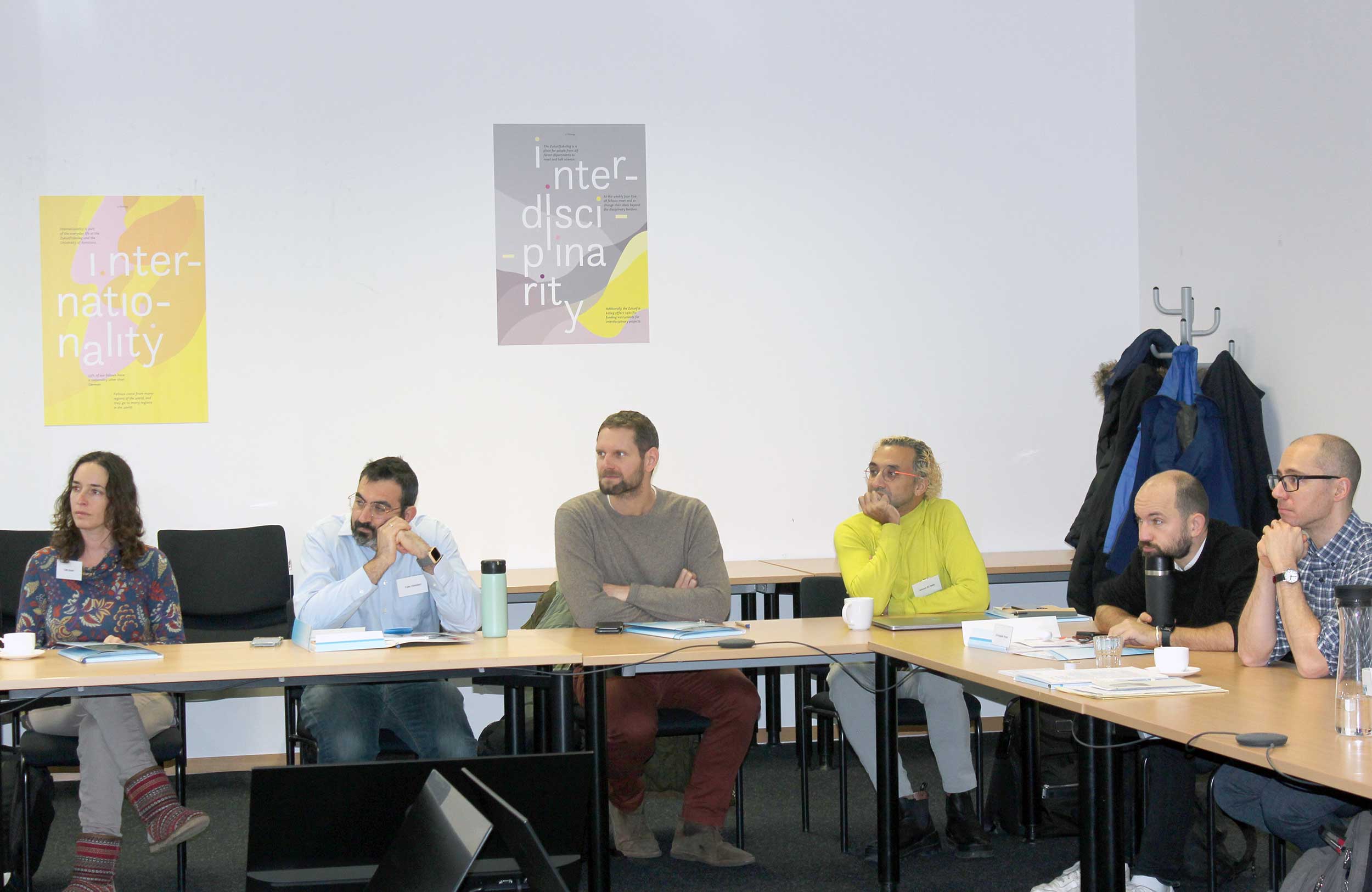
Both the Jour fixe and the public panel in the Bürgersaal Konstanz took place in the framework of the workshop “What makes us human?” in collaboration with the Martin Buber Society of Fellows in the Humanities and Social Sciences, which was held from 10-12 December in Konstanz.
At the Jour fixe, the following Martin Buber Fellows each gave a three-minute pitch presentation:
Christopher Roser / Philosophy
Uri Eran / Philosophy
Ida Richter / Literature
Jasmin Spiegel / Psychology
Yael Assor / Sociology
Yoav Hamdani / History
Benjamin Wilck / Philosophy
Hiwa Asadour / Linguistics
21 January
Sidney Carls-Diamante (Associated Fellow / Philosophy): “An uncertainty model of suicide”
Abstract
Uncertainty is a factor widely but implicitly acknowledged to contribute to suicidality, but it is not often studied as a suicidogenic factor in its own right. This presentation detailed the role of uncertainty in generating suicidal thoughts and actions. It was proposed that suicidality is a set of cognitive and behavioural strategies for reducing uncertainty and its consequential disruptions to homeostasis, i.e. psychological and/or physiological stability.
The presentation argued that there are three dimensions of uncertainty that specifically contribute to suicidality: uncertainty about 1) whether currently experienced adversity will continue into the future, 2) whether present conditions will improve and 3) when they will change. Persisting through life entails continued experience of such high-uncertainty states that may prove detrimental to homeostasis. In contrast, death is a high-certainty state, wherein distress, pain, or suffering – manifestations of disrupted homeostasis – are reliably predicted to end. Suicidal ideation thus emerges as a mental model that allows the agent to imagine death as a state wherein homeostasis is restored. When the agent’s distress becomes severe enough, escalation to suicidal action can occur as a behavioural strategy to precipitate restoration of homeostasis (in the form of an end to suffering) through death.
Here are some links/contacts provided by Sidney in case you/someone you know need(s) help:
findahelpline.com/countries/de/topics/suicidal-thoughts
hospiz-konstanz.de/trauer/trauer-nach-suizid/
blog.opencounseling.com/suicide-hotlines/
28 January
Abena Yalley (ZENiT Research Fellow / Literature & Politics and Public Administration): “Politics of Sexuality and Reproduction across Cultures: Obstetric Violence, Mental Health and Narrative Exposure Therapy in Africa, Europe and Latin America”
Abstract
Recent investigations into women’s childbirth experiences have made shocking revelations about abuse and sometimes brutal acts of violence during childbirth (Bohren et al., 2019; Yalley 2024). Although the global prevalence is unknown, studies show a very high number of mothers worldwide who report having experienced abuse during childbirth, making it a general societal problem (Yalley at al., 2023; Vacaflor, 2016; WHO, 2019). These abuses, widely conceptualized as obstetric violence, are now receiving widespread public and academic attention as a critical and pressing public health concern. In this project, Yalley and her research team examine how birth-related trauma caused by obstetric violence manifests in the body and translates into mental disorders and adopt the Narrative Exposure Therapy (NET) psychotherapeutic interventions for victims of obstetric violence across different cultures: Africa, Europe and Latin America. They do this by first mapping the variety of mental health sequelae of obstetric violence and applying the Narrative Exposure Therapy treatment to prevent appetitive aggression in women. Their project aims to provide insights into the psychological impact of obstetric violence and offers a promising intervention for dealing with it.
04 February
Henrique Almeida de Castro (Postdoctoral Fellow / History and Sociology & Cluster of Excellence “The Politics of Inequality”): “Democratic backsliding as a judicial reason: Powerful idea or self-justifying rhetoric?”
Abstract
The popularity of democratic backsliding and related concepts has increased calls for courts to account for gradual and covert attacks on democracy in their adjudicating processes. However, to the extent that judges display awareness of these ideas, it is hard to assess their impact on decision-making because most cases to which they may apply directly or indirectly affect the judiciary. As such, their discursive adoption can often be plausibly read as self-justifying rhetoric for strategic decisions that would have been made regardless. To address this, Almeida de Castro examines the judicialization of the far-right president Jair Bolsonaro’s reforms of Brazilian participatory councils, a case of intra-executive power concentration with little impact on courts. He shows that the Supreme Court Justices adopting the idea of democratic backsliding and its translations into legal academia (e.g. autocratic legalism) allowed anti-regime actors to reframe previously acceptable reforms as unconstitutional, portraying them as part of a plan to dismantle democracy. His project does not claim that no strategic considerations influenced the Supreme Court’s doctrinally heterodox decisions, but that he sees the role of ideas as necessary. Although arguably positive, the results show that when courts act to defend democracy, they do so based on contestable notions about its meaning.
11 February
Assembly of Members to elect three members for the Executive Committee & Alexandra Windsberger (ZENiT Research Fellow / Law): “Do I have to? An interdisciplinary and comparative legal investigation of punishable omission”
The first part of the Jour fixe started with the Assembly of Members (2-year Fellows, 5-year/ZENiT Fellows and other fellows) to elect two new members to the Executive Committee – replacing Svetlana Boycheva Woltering (Research Fellow / Dept. of Biology) and Eduardo Luersen (Postdoctoral Fellow / Dept. of Literature).
After the election, Alexandra Windsberger (ZENiT Research Fellow / Law) spoke about “Do I have to? An interdisciplinary and comparative legal investigation of punishable omission”.
Abstract
The aim of this project is nothing less than to rethink an old question that more or less concerns us all: when, why and to what extent must we help each other and what kinds of “omissions” should and must be sanctioned with the sharpest sword of a state – criminal law. This requires a fundamental understanding of the legal and philosophical dimensions of the category of action “omission”, which will be developed in this project.
In criminal law, the question of the necessary and sufficient conditions for the imputation of behaviour is the core issue. This thesis deals exclusively and specifically with omissions as an object of imputation. This is a genuinely interdisciplinary question. In order to protect criminal law dogmatics from the danger of dogmatism – in the sense of a solidification of its initial premises – there must also be room for other perspectives and disciplines in order to scrutinize the implications of the existing dogmatic system. Analytical philosophy, in particular, takes on the function of bringing clarity to lines of argumentation and identifying false conclusions.
Alexandra Windsberger argued in her talk that the much-discussed doctrine of injunction, which is prevalent in law, characterized by case-by-case casuistry and that causes serious problems in practice, has been subject to an unreflected communication routine for far too long; its “true” conditions lie mummified and hidden at the same time.
The focus of her project is therefore an interdisciplinary discourse with selected experts from law and philosophy in order to build a bridge between the general theory of punishment and philosophy using the example of omission in order to clearly identify the behavioural corridor for punishable omission.
Jour fixe in the 2025 summer semester
08 April
Welcome to and outlook on the 2025 summer semester & Giovanni Galizia: “Movement patterns before and after breeding of the semi-colonial Montagu’s Harrier in Spain (Circus pygargus) and their migration choices”
In the first part, the following topics were presented and discussed:
- Safety instructions
- Outlook on events in the 2025 summer semester
- Planning of presentations for the Scientific Advisory Board Meeting on 3-4 June
In the second part, Giovanni Galizia gave a talk on “Movement patterns before and after breeding of the semi-colonial Montagu’s Harrier in Spain (Circus pygargus) and their migration choices”.
Abstract
The ground nesting raptor Montagu’s Harrier breeds in loose colonies in cereal fields in the Spanish Extremadura. It is unclear how and whether birds in different colonies interact and how harriers spend time before and after nesting, before starting migration. We used GPS tags (different kinds, including ICARUS), some over multiple seasons, to follow movements of adult and juvenile birds with unprecedented detail. Arriving from spring migration, all males and most females returned to their old nesting site and spent between 13 and 25 days on mate choice and local site inspection. During incubation and early nesting, female movements were strongly reduced, but increased significantly during late nesting and post-fledging periods. After fledging or after breeding failure, females increased their flying radius. Some of them visited other colonies, for single days or for longer periods, or flew long distances within Spain. However, these “exploratory” flights do not appear to influence the females’ nesting sites in the following year. Trajectories from Spain to wintering sites in Africa were all different, with siblings from the same nest also migrating over different routes and at different times. All surviving juveniles returned to Spain in the first year and attempted breeding.
C. Giovanni Galizia, Brigitte Berger-Geiger
15 April
Visit by the Merz Akademie (Stuttgart): Presentation of the science-art project “Making the invisible visible”
- Introduction to the joint project
- Presentation of students’ individual concepts
- Two presentations of fellows’ research projects
- Feedback/discussion
Afterwards, interested ZuKo fellows and members met for a group working session on the concepts.
29 April
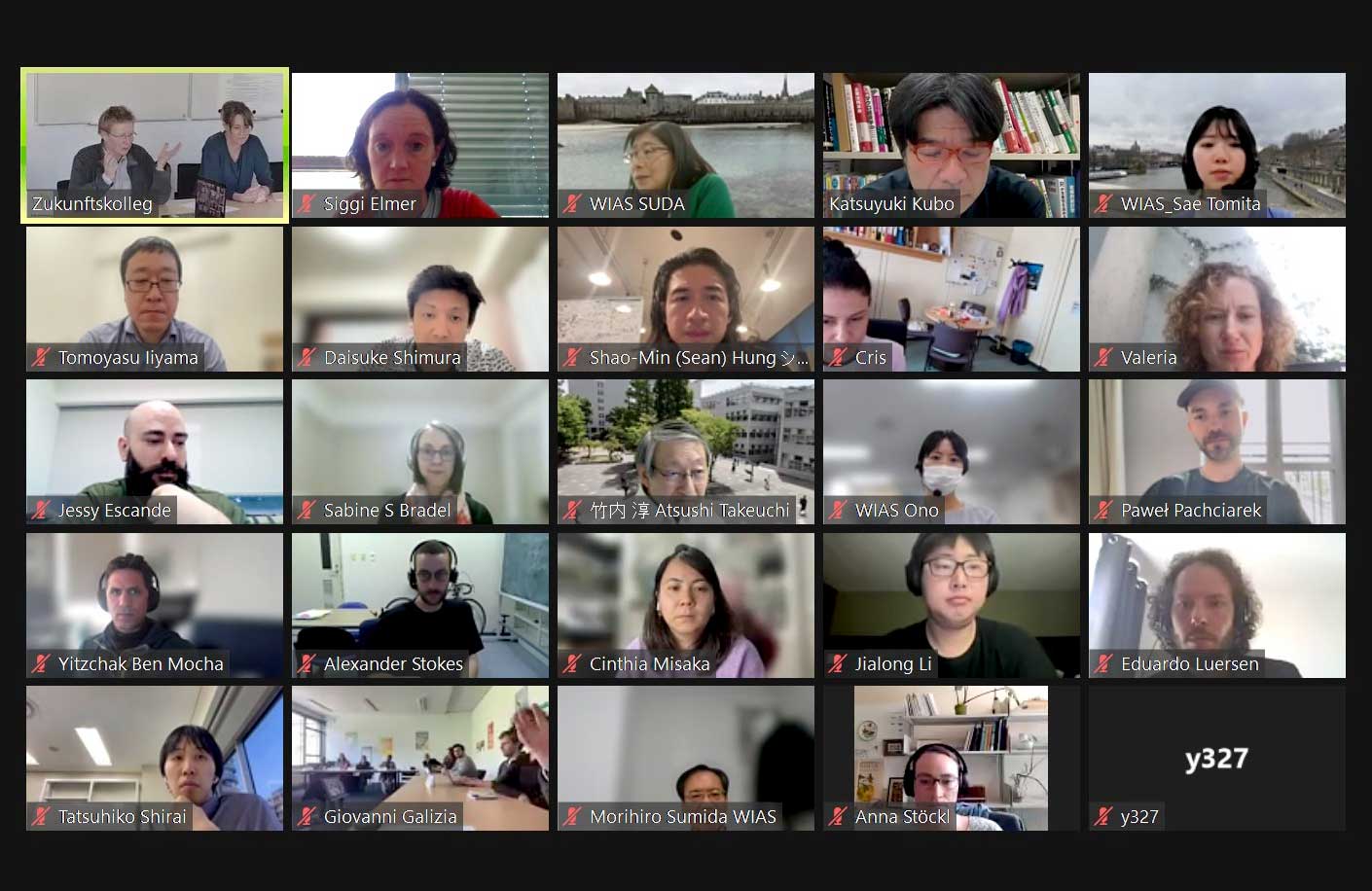
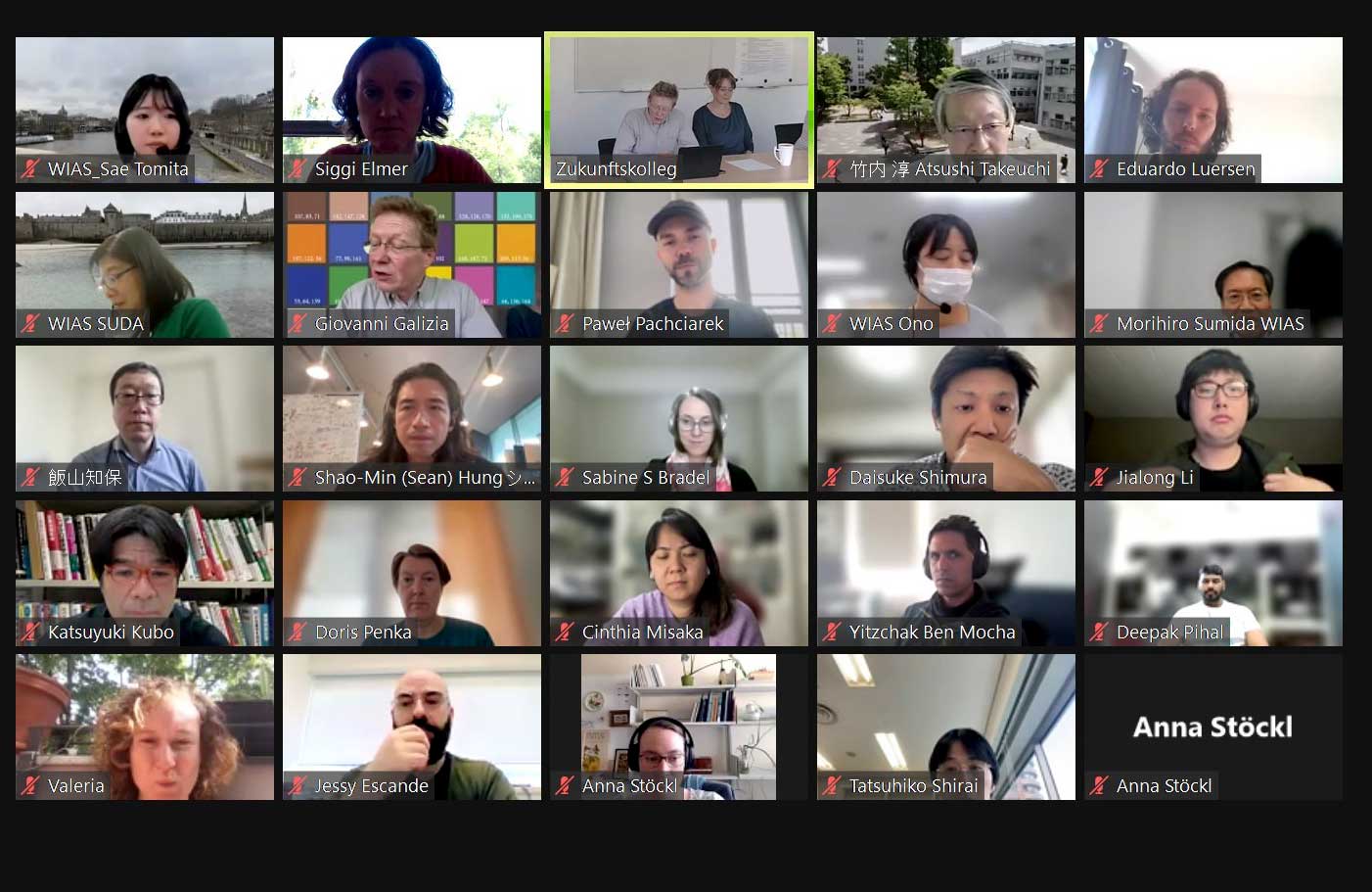
Collaborative WIAS-ZuKo Jour fixe on “Human / Non-Human”
Programme
1. Welcome – 10 minutes (directors from both sides)
2. Impulse talks – 45 minutes (4 x 7-10 minutes by speakers) moderated by Giovanni Galizia
a) “Combinatorial optimization and its challenges” – Tatsuhiko Shirai (Associate Professor / Physics, Waseda Institute for Advanced Study)
Combinatorial optimization, which involves finding the best solution among many possible candidates, is pervasive in our society. In recent years, quantum and quantum-inspired accelerators have been developed to tackle such problems. Here, Shirai presented two types of challenges – human-related and non-human (technical) – through several examples he has been involved in.
b) “Modder Earth: The Image Logistics of Digital Earth in Entertainment Software” – Eduardo Luersen (Postdoctoral Fellow / Literature & Media Studies, Zukunftskolleg)
Computer games such as Microsoft Flight Simulator (MFS, 2020) claim to render a real-time “digital twin” version of Earth – an ambitious simulation project that integrates meteorological and geospatial data into navigable environments. While representations of nature have long played a role in video games, either as a backdrop to create ambiance or as elements that shape actual gameplay dynamics, digital twinning projects push digital images beyond verisimilitude, as platform realism hallucinating environmental aesthetics. Stemming from a visual critique, this impulse talk shifted the focus from evaluating what these simulations purport to represent (and whether they succeed or not) to examining their production logistics: from the protocols and software libraries to the toolkits and design infrastructures involved in developing the plausible yet discorrelated Earth-like imagery in entertainment software.
c) “Becoming the Universe: Yayoi Kusama’s Self-Obliteration and the Disappearance of the Self” – Pawel Pachciarek (Assistant Professor / Literature, Waseda Institute for Advanced Study)
This presentation examined Yayoi Kusama’s work through the lens of human/non-human relations, emphasizing her concept of “self-obliteration” as a central aesthetic and philosophical strategy aimed at dissolving the boundaries of individual subjectivity. Kusama’s practice – deeply informed by Eastern spiritual thought, particularly Zen Buddhism, and echoed in her poetry – embraces obsessive repetition and infinite patterns as a visual and conceptual language of cosmic unity.
Through immersive environments and serialized motifs, the human self is absorbed into a broader continuum of existence. In this logic, polka dots function not merely as decoration but as symbolic agents of ontological reduction – signifying a return to pre-individual, interconnected being. Kusama’s work, in this sense, constitutes a dissolution of the modern individual ego into the larger rhythms of the cosmos.
By situating her work within posthumanist and emergent geo-aesthetic frameworks, this presentation explored how Kusama destabilizes anthropocentric categories of identity and subjectivity. Her immersive aesthetics articulate a cosmic longing – what Kusama herself once called “the desire to become one with the universe”.
d) “To see or not to see: how insects overcome common visual challenges” – Anna Stöckl (Research Fellow / Biology, Zukunftskolleg)
We humans – and many other animals – rely on vision to make sense of the world around us. In doing so, we face common challenges, from detecting movement to adjusting to drastic changes in light. Studying how different animals, with diverse eyes and neural architectures, solve these challenges provides key insights into the principles and evolution of vision. One challenge every visual system faces is low light: everyone has likely experienced at first hand (or toe, or head) that human vision is significantly limited at night. Impressively, many nocturnal insects continue to navigate through the undergrowth even under starlight, searching for food, mates, or their way back to their nest. Insects provide a unique model for understanding how visual processing adjusts to changing light, as they have to overcome severe limitations in eye size and computational capacity. In this talk, Stöckl summarized what is known about neural adaptations to changing light in hawkmoths, how their flight behaviour in more natural settings is studied, and how her research team is planning to generate a coherent framework for studying the neural basis of natural visual flight control in dynamic light environments.
3. Q&A session – 25 minutes
(4 breakout rooms for smaller group discussions with coordinated moderators)
- Jessy Escande, WIAS Fellow/Assistant Professor in Literature (moderator of Eduardo Luersen’s room)
Research topic: Digital twins
- Shao-Min Hung, WIAS Fellow/Assistant Professor in Neuroscience (moderator of Anna Stöckl’s room)
Research topic: Vision
- Jonas Kuckling, ZENiT Fellow/Dept. of Computer and Information Science (moderator of Tatsuhiko Shirai’s room)
Research topic: Quantum computation
- Julia Ditter, Postdoctoral Fellow/Dept. of Literature (moderator of Pawel Pachciarek’s room)
Research topic: Literature – through Japanese and American lenses
4. Closing session – 10 minutes (moderated by Katsuyuki Kubo, Associate Director of WIAS)
Outlook Research Visit to the ZuKo in 2026 (deadline 30 June)
Outlook Visiting Scholar programme at WIAS in 2026 (deadline 23 May)
06 May
Preparation of Scientific Advisory Board Meeting Part I
The Zukunftskolleg fellows rehearsed the talks planned for the Scientific Advisory Board Meeting in June:
1. Presentation of the collaborative project between the Merz Akademie in Stuttgart and the Zukunftskolleg: “Making the invisible visible” (10 min. talk + 5 min. Q&A)
Angelo Javier Neira Albornoz, Postdoctoral Fellow / Computer and Information Science
2. Presentation of the ZENiT Project: “GCoo-BreeD: advancing comparative research on cooperative breeding with a peer-reviewed and updatable Global Cooperative Breeding Database” (10 min. talk + 5 min. Q&A)
Yitzchak Ben Mocha, ZENiT Fellow / Biology, and Oded Kaynan, one of Yitzchak’s project group partners
3. Pitch talks by 4 fellows (3 minutes each)
- Julia Ditter, Postdoctoral Fellow / Literature
- Anamaria Bentea, Research Fellow / Linguistics
- Philipp di Dio, Research Fellow / Mathematics
- Jonas Kuckling, ZENiT Fellow / Computer and Information Science
13 May
Preparation of Scientific Advisory Board Meeting Part II & EUniWell Team: “EUniWell at the ZuKo: Advancing Research Careers and Well-Being Across Europe”
1. Presentation of the ZENiT Project: “Co-BreeD: a ZENiT project report” (10 min. talk + 5 min. Q&A)
Yitzchak Ben Mocha, ZENiT Fellow / Biology, and Oded Kaynan, one of Yitzchak’s project group partners
2. Pitch talks by 2 fellows (3 minutes each)
- James Wilson (Postdoctoral Fellow / History and Sociology)
- Genevieve Finerty (ZENiT Fellow / Biology)
3. EUniWell Team: “EUniWell at the ZuKo: Advancing Research Careers and Well-Being Across Europe”
The EUniWell team gave an introduction to EUniWell – the European University for Well-Being – with a special focus on how the European university alliance supports early career researchers through mobility, funding opportunities and interdisciplinary collaboration. The session highlighted concrete ways to engage with the EUniWell network and presented benefits from its growing research and innovation ecosystem. In addition, they explored the role of well-being in academic life through short, interactive activities that encourage reflection and discussion.
20 May
1. Katya Suverina (Postdoctoral Fellow / History and Sociology): “Paranoia, Anti-Soviet Monsters, and Respectable Citizens: The Genealogy of the Soviet Public Discourse on HIV/AIDS”
Abstract
In 1991, the sensationalist newspaper SPID-Info published a letter from a Soviet citizen living with HIV. He wrote with urgency and pain: “We are not dying from AIDS and its opportunistic diseases – we are dying from society’s attitude toward us.” It is commonly believed that the Perestroika-era press ushered in a new age of openness, breaking taboos and confronting previously silenced topics. While this was indeed the case in many areas, the HIV/AIDS crisis that emerged in the Soviet Union during the 1980s remained heavily stigmatized and persistently misrepresented. In this talk, drawing on discourse analysis of over 500 articles published in Russophone newspapers during the final decade of the Soviet Union, Katya Suverina examined how medical authorities – working in concert with the press – constructed a dominant discourse of shame and exclusion around the virus and those affected by it. She showed how this discourse not only framed HIV/AIDS as a moral threat but also marginalized so-called “risk groups” through language rooted in humiliation, paranoia and disinformation. Finally, Suverina explored why, despite notable efforts to challenge this narrative, the press ultimately failed to overcome it – caught between the inertia of Soviet biopolitics and the limits of glasnost-era liberalization.
2. Andrei Zavadski (TU Dortmund University): “People with HIV in Photographs by Valery Khristoforov and Jürgen Baldiga”
Abstract
This talk presented two distinct cases of the representation of HIV/AIDS that seem to disrupt the existing visual canon(s). One is a series of photographs that the Soviet/Russian photographer Valery Khristoforov (b. 1948) made at the Moscow Hospital № 2 in 1990. The other one is the body of work by the (West) German photographer Jürgen Baldiga (1959–1993). There is no record of them ever meeting or even being aware of each other’s work; their approaches to photography/art could not be more different either. Khristoforov’s portraits amount to the first and perhaps only visual evidence of the suffering of Soviet people with AIDS. Importantly, they were never published by Soviet or Russophone press, remaining in the TASS archive and thus failing to become part of the extant knowledge on and visual representations of HIV/AIDS. Baldiga, whose oeuvre has been receiving attention over the past few years, began to photograph in 1985, a year after he had learned that he was HIV positive. He photographed the HIV crisis in Berlin and its victims; he also let the photographer Aron Neubert take pictures of himself until the last months of his life. These vulnerable and yet defiant images are unique in the history of HIV/AIDS in Germany. Because the best-known depictions of the crisis of the 1980s and early 1990s were created first and foremost in the United States, zooming in on relevant late Soviet and (West) German photography will inevitably expand the canonic representations of HIV/AIDS. The talk asked whether and how Khristoforov’s and Baldiga’s images are able to challenge the existing canon(s) of HIV/AIDS visuality.
27 May
Suleiman Mourad (Senior Fellow / History and Sociology): “Islamic Law on War and Peace and its Impact on Diplomacy and Diplomatic Relations between the Muslims and the Franks in the Crusader Period”
Abstract
The period we generally call “the Crusades” (especially in the 12th and 13th centuries) witnessed a number of truces, treaties and alliances between Muslims and Frankish rulers, which formed a part of an extensive diplomacy between the two “camps”. This important aspect of Muslim-Frankish relations remains seriously understudied in modern scholarship. Suleiman Mourad’s talk focused on the religious and legal rationales employed to explain and legitimize these truces, treaties and alliances, paying special attention to the specific citations of authoritative sources and conceptual legal frameworks invoked in them. As such, he compared the “application” of Islamic law in Muslim-Crusader interactions to the “notional” rules on war and peace as laid out in Islamic legal textual sources. He also examined whether these incidents continued patterns that started well before the Crusader period. Mourad’s broader conceptual and methodological question is to determine how and in what ways Muslim-Crusader interactions (peaceful or hostile) shaped and were shaped by Islamic law and juristic opinion (that is, influence in both directions) and if such an exercise can help us better understand the period as different from its legacy.
03 June
Scientific Advisory Board Meeting
In the framework of the Scientific Advisory Board Meeting that took place on 3 and 4 June at the Zukunftskolleg, several fellows presented their current research projects:
1. Presentation of the collaborative project between the Merz Akademie in Stuttgart and the Zukunftskolleg: “Making the invisible visible”
Angelo Javier Neira Albornoz, Postdoctoral Fellow / Computer and Information Science
2. Presentation of the ZENiT Project: “GCoo-BreeD: advancing comparative research on cooperative breeding with a peer-reviewed and updatable Global Cooperative Breeding Database”
Yitzchak Ben Mocha, ZENiT Fellow / Biology, and Oded Kaynan, one of Yitzchak’s project group partners
3. Pitch talks by fellows (3 minutes each)
- Julia Ditter, Postdoctoral Fellow / Literature
- Anamaria Bentea, Research Fellow / Linguistics
- Philipp di Dio, Research Fellow / Mathematics
- Jonas Kuckling, ZENiT Fellow / Computer and Information Science
- James Wilson (Postdoctoral Fellow / History and Sociology)
- Genevieve Finerty (ZENiT Fellow / Biology)
10 June
Carlos Quizhpe-Parra (Doctoral student in Territorial Sustainability / University of Cuenca, Ecuador): “Global-Scale Mining: Pathways and Socioecological Transitions in the Cases of Germany and Ecuador”
Abstract
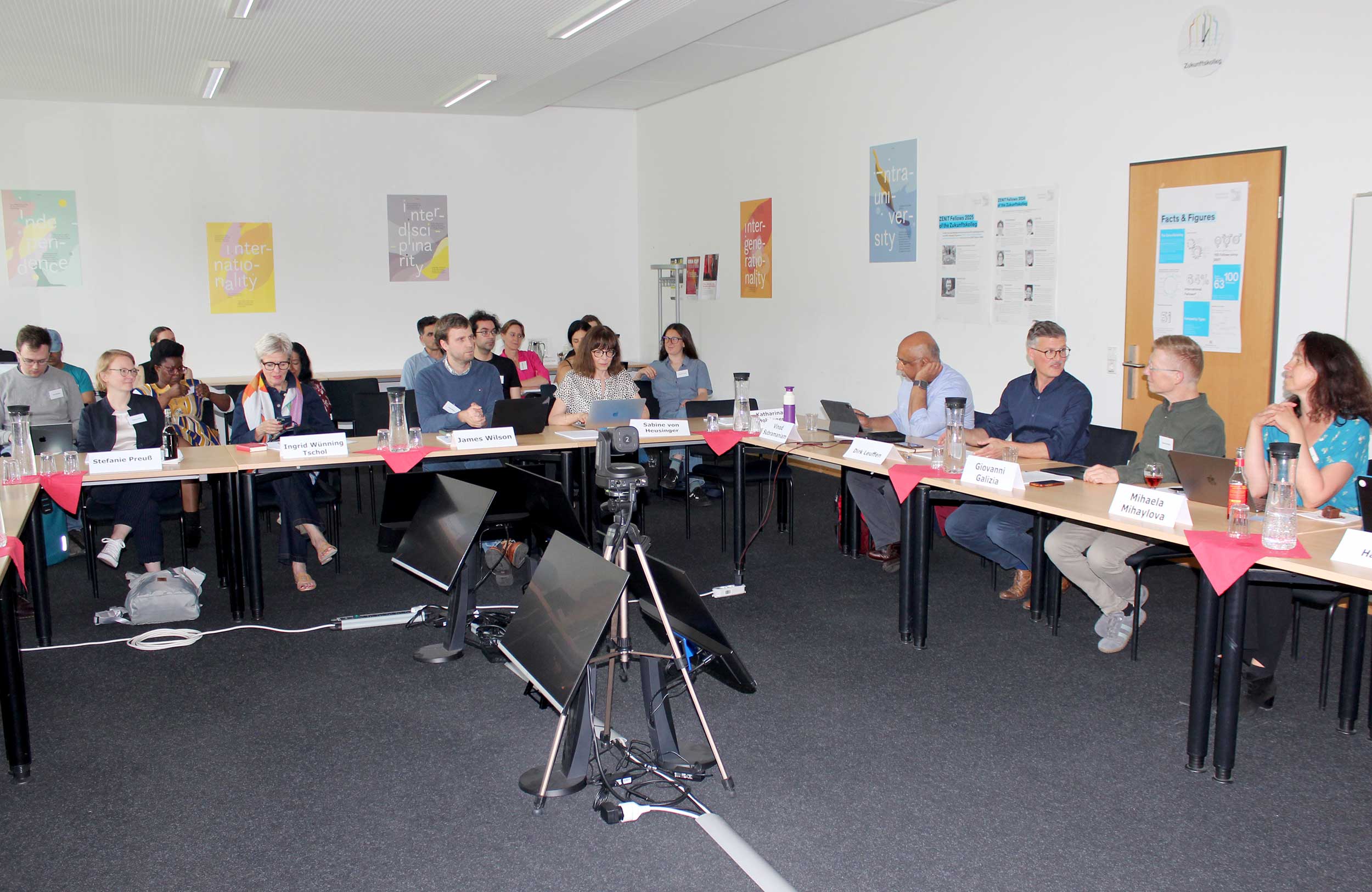
Carlos Quizhpe-Parra’s presentation interrogated the divergent – yet convergent – extractive trajectories of Germany and Ecuador within the renewed international reprimarization that gained momentum during the 2010s and was intensified by the COVID‑19 pandemic. Confronted with a cascading polycrisis – ecological degradation, social fragmentation, economic volatility – and an escalating geopolitical conflict, both states re‑imagine their positions in global value chains through aggressive resource extraction. For Germany, the Ukraine war and Sino‑Western rivalry expose strategic vulnerabilities; policymakers respond by reviving domestic mining, subsidizing circular economy recycling and underwriting overseas ventures to secure critical minerals indispensable for digitalization and green tech deployment. Ecuador, by contrast, purposefully shifts from a hydrocarbon‑dependent model toward large‑scale metallic mining, branding itself a “mining nation” focused on copper and gold – metals central to the global energy transition. While promising fiscal relief, this pivot deepens structural dependency, accelerates territorial dispossession and heightens socio‑ecological conflicts in Andean and Amazonian frontiers. Juxtaposing these cases reveals historical continuities of centre–periphery asymmetry alongside new fractures produced by climate imperatives and wartime supply anxieties. The talk distilled common drivers, distinctive governance pathways and the contested prospects for post‑extractivist transitions that reconcile environmental justice with economic security under conditions of planetary uncertainty.
24 June
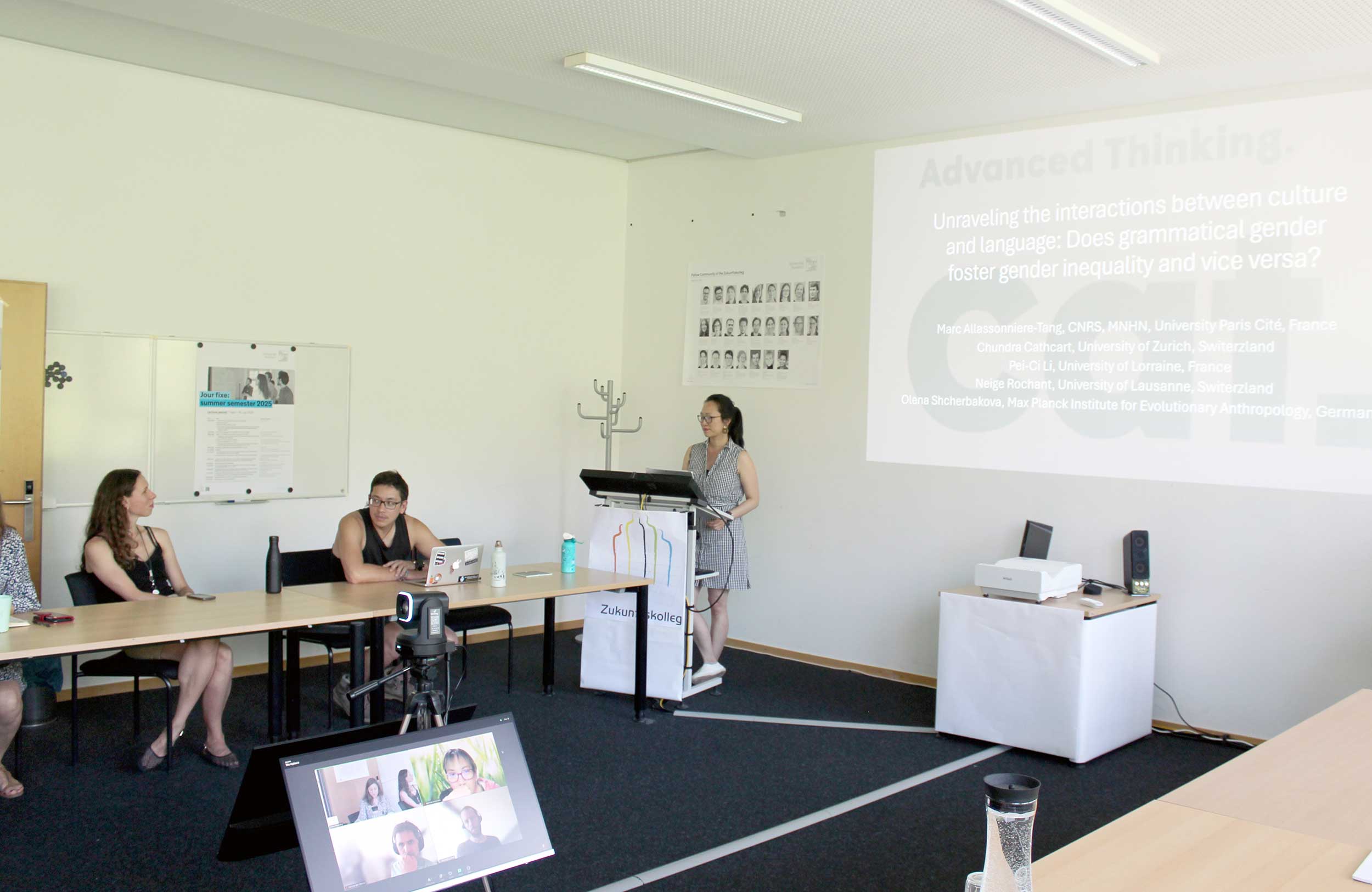
Marc Allassonniere (CNRS researcher, National Museum of Natural History, Paris, France) and Pei-Ci Li (Assistant Professor, University of Lorraine, France): “Unravelling the interactions between culture and language: Does grammatical gender foster gender inequality and vice versa?”
Abstract
The human cognitive system interacts with the cultural environment. Within this interaction, the interplay between grammatical gender and sociocultural gender represents a societal challenge. The presence of grammatical gender (such as masculine and feminine) in language has an effect on how men and women are perceived by humans. Most studies compared languages with sex-based gender (such as masculine/feminine in Spanish) with languages that do not have a grammatical gender system (e.g. English and Mandarin). However, other nominal classification systems such as noun classes (e.g. in Swahili) or classifiers (e.g. in Japanese) also categorize nouns of the lexicon into categories based on features such as animacy or shape. Furthermore, most languages considered in existing studies are Indo-European. Nevertheless, sex-based grammatical gender systems are not restricted to this language family. For example, grammatical gender systems are also found in languages such as Mian (Ok family, Papua New Guinea).
In their project, Marc Allassonniere and Pei-Ci Li expand the data pool for testing the effect of nominal classification systems on gender parity. They extract information on grammatical gender and sociocultural gender from the data already gathered during the respective research of the project members. They then use quantitative methods to capture the multilevel interaction between the linguistic and the sociocultural variables.
01 July
Assembly of Members to elect one member for the Executive Committee & Julia Ditter (Postdoctoral Fellow / Literature): “Travelling Infrastructures: Energy Ecologies and the Tourist Experience in the Nineteenth-Century Press”
The first part of the Jour fixe started with the Assembly of Members (2-year Fellows, 5-year/ZENiT Fellows and other fellows) to elect two new members to the Executive Committee – replacing Philipp di Dio (Research Fellow / Dept. of Mathematics) and James Wilson (Postdoctoral Fellow / Dept. of History and Sociology).
After the election, Julia Ditter (Postdoctoral Fellow / Literature) reported on “Travelling Infrastructures: Energy Ecologies and the Tourist Experience in the Nineteenth-Century Press”
Abstract
The nineteenth-century saw an unprecedented growth of infrastructures built by and for energy from mines to coaling stations, railroads to steamships, gas lines to electric grid. Energy and its infrastructures are inextricably tied together both materially as well as imaginatively, and the nineteenth century provides a crucial lens for making sense of our present energetic and infrastructural entanglements. Julia Ditter’s project “Energy Infrastructures and the Nineteenth-Century Periodical Press” contributes to the endeavour to understand the social, material and affective foundations of the (Western) reliance on fossil fuels by examining the nineteenth century as an earlier age of energy transition and thereby exploring the foundations of dominant understandings of fossil energy. Through a reading of the mass medium of the periodical press, Ditter examines the role literary and cultural production play in mediating energy transition and reflecting on the process through which fossil fuels have come to form the energetic and ideational infrastructure of our lives in the West: from institutions, political systems and global networks to cultural practices, social formations and literary forms.
An exemplary genre for exploring nineteenth-century energy imaginaries is the travel account. The publication of travel writing about (touristic) visits to coal mines, gas works, and other sites of extraction and energy production in periodicals testifies to the popularity of energy tourism both as a cultural practice and a subgenre of travel writing. In her talk, she provided an overview of the current state of the project and briefly discussed travel writing as an exemplary genre for narrating energy.
08 July
Visit by the Merz Akademie (Stuttgart): Final presentation of science-art project “Making the invisible visible”
Five students and their professors Mario Doulis and Jörg Frohnmayer from the Merz Akademie, Stuttgart, visited the Zukunftskolleg and presented the results of the science-art project “Making the invisible visible”.
The five interactive virtual worlds show artistic and design approaches for implementing and presenting complex (scientific) issues in a comprehensible way. Use case was the research on soil pollution and its environmental impact conducted by Postdoctoral Fellow Angelo J. Neira. The aim was to provide visualizations that show the pollution in soil and the complex task of applying sustainable solutions to the associated problems.
15 July
Mohammed G. (Alexander von Humboldt Postdoctoral Researcher and guest at the Zukunftskolleg / Dept. of Politics and Public Administration): “The Burden of the War: The Case of Sudan”
Abstract
Sudan’s ongoing war between the Sudanese Armed Forces (SAF) and the paramilitary Rapid Support Forces (RSF) has received little attention despite Sudan’s strategic location along the Red Sea, connecting the Middle East and North Africa (MENA) and the Horn of Africa. The conflict started in April 2023 in the capital, Khartoum, and spread to most states, displacing an estimated 12 million Sudanese and killing 150,000. Although Sudan has a long history of conflicts, the ongoing war could be the most devastating one, creating the world’s most severe humanitarian crisis in 2023/24. First, we estimate the economic cost caused by the ongoing war. We consider several methods, ranging from cross-country comparisons (De Groot et al. (2022)) to employing a Synthetic Control Method to construct a counterfactual. This allows us to estimate how much better off Sudan would have been without the war. Second, based on Hoeffler and Fearon (2026), we consider the human cost of displacement, hunger, injury and death, linking Sudan’s war to the broader regional patterns of food insecurity and humanitarian disasters. Third, we use predictive modelling to evaluate alternative future scenarios building on Elbadawi and Fiuratti (2024) by gauging the likelihood of ongoing conflict, military victory and alternative peaceful settlements to examine their associated cost to Sudan and the MENA region. These alternative scenarios depend on the external support provided by the UAE, Saudi Arabia, Turkey and Egypt, as well as the success of negotiations and reduced arms supplies, peacekeeping and aid. The analysis so far implies a shrinking of GDP of at least 20% per year and human costs of direct deaths ranging from 15-45% of GDP. These preliminary results suggest that this major armed conflict has been more devastating than others, causing much higher economic as well as human costs when compared internationally.