One year of ZENiT = one year of collaborations
In 2023, the Zukunftskolleg launched a new group fellowship format called ZENiT = Zukunftskolleg Exchange Network: interdisciplinary Talent, which bridges short postdoctoral and tenure track positions. ZENiT offers postdoctoral researchers at the University of Konstanz a fellowship for the duration of up to 3 years and the possibility to create a group of scientists and prominent individuals from the non-academic world and work on projects on the fringes of their research. It allows early career researchers to broaden their horizons, meet new people and create new networks.
We asked the ZENiT Fellows from the first application round to report on their achievements in their ZENiT project after one year. Here are their reports:
Yitzchak Ben-Mocha
ZENiT Project “GCoo-BreeD: advancing comparative research on cooperative breeding with a peer-reviewed and updatable Global Cooperative Breeding Database”
The ZENiT Co-BreeD project aims to establish an integrative, open-access and peer-reviewed Cooperative-Breeding Database on birds and mammals. Here is a comparison between the goals outlined in the project proposal and those realized (in parentheses) after 15 out of 21 months of the planned project. (Note that project goals were set for a budget of €77,000, while the grant received was €45,000!):
- Curation of 5 datasets (3 datasets curated, 2 under preparation)
- Samples from >301 species (samples from 370 species curated)
- Presentation at 2 scientific meetings (2 presentations at international conferences, 3 invited talks in Germany and France)
- Submission of 4 manuscripts for publication (1 in revision, 2 are ready for submission and will be submitted after the first manuscript is accepted)
- Fair employment of research assistants (extensive training and support of assistants, 4 assistants are co-authors of Co-BreeD manuscripts, 1 international conference presentation by an assistant)
- Collaborative network (establishing an international collaborative network of >70 cooperative breeding researchers)
- Application for third-party funding (a €120,000 grant was awarded by the Klaus Tschira Boost Fund).
At the scientific level, the Co-BreeD project (i) identified 65 species that should be re-classified as cooperative breeders, (ii) presented evidence that cooperative breeding is considerably more prevalent among birds and mammals than previously thought, and (iii) revised several hypotheses about the evolution of alloparental care.

Gisela Kopp
ZENiT Project “Using non-human primates to unravel ancient biocultural exchange networks”
Gisela Kopp used her ZENiT Fellowship to undertake a field trip to study isolated and unresearched ape populations in the Sahara.
Read more in Story 4.
Jonas Kuckling
ZENiT Project “New impulses for open-endedness in embodied collectives”
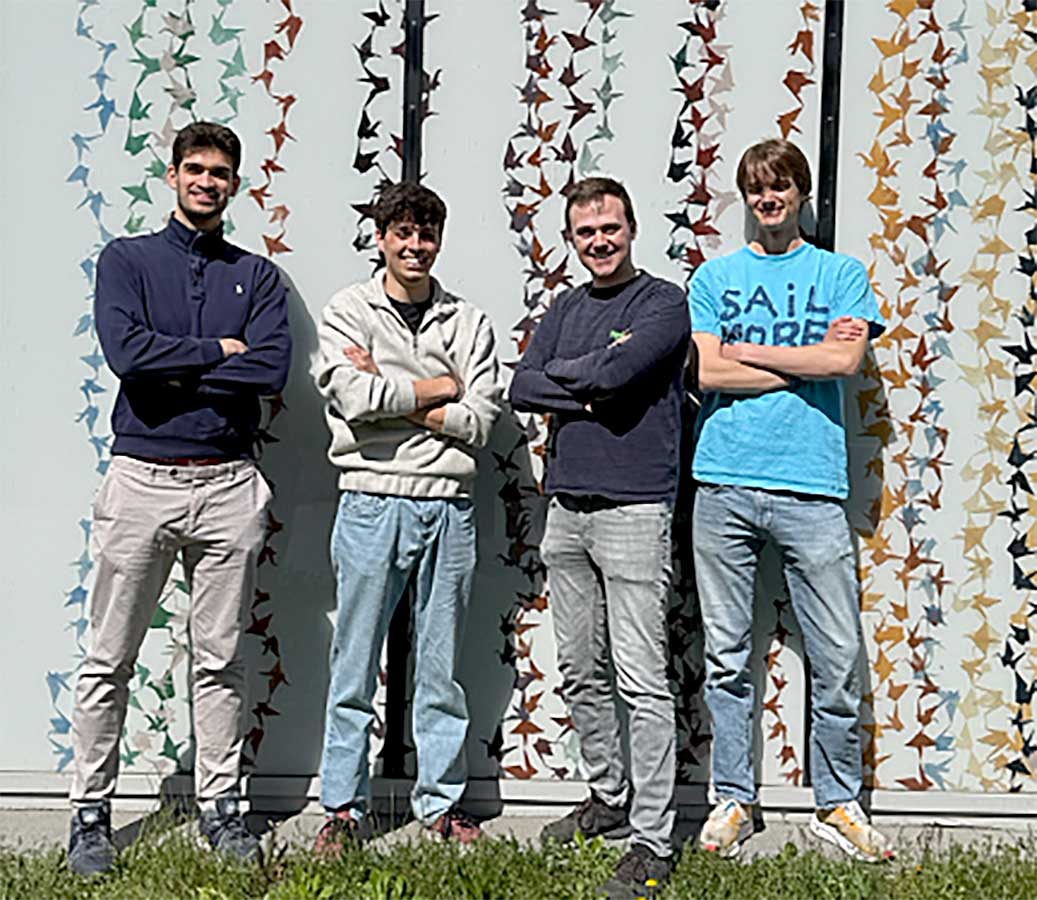
The first hybrid workshop of the ZENiT project “New impulses for open-endedness in embodied collectives” took place in Konstanz and online from October 14 to 16. It followed the Fourteenth International Conference on Swarm Intelligence (ANTS 2024), which took place just before, from October 9 to 11 in Konstanz. This allowed Professor Carlos Gershenson to join both the workshop and the conference and to present his research on “Self-organizing systems: What, how and why?” to an interested audience of researchers in the field of swarm intelligence.
During the workshop, each day of the meeting commenced with an inspiring talk. Giovanni Galizia inaugurated the event with a presentation of the Zukunftskolleg. The second day featured Urs Fischbacher, who presented the intriguing topic of “Incentives for Conformity and Disconformity”. Suet Lee concluded the series on the third day with a discussion on cultural evolution for robot swarms.
The meeting was characterized by stimulating discussions on a variety of topics, focusing particularly on the challenges of qualifying open-endedness. We identified three key qualities essential to capturing open-endedness: variation, innovation and transformation. As a result of these discussions, we decided to implement a testbed in Minecraft. This testbed will serve as a platform for evaluating metrics of open-endedness, with the ultimate goal of applying these metrics to other domains often claimed to be open-ended, such as innovation and history.
A great addition to the team is Max Oltmanns, who started as a student research assistant and has made significant strides in implementing the Minecraft framework. This framework allows multiple agents to populate and interact in the same environment. We can control the agents remotely or give them evolving instances of control software. The environment in which the agents are situated can be programmatically altered, allowing us to create specific scenarios in an instant or to create environmental dynamics that push the collective to new behaviours. Additionally, we log the information from the Minecraft world for later analysis and to fuel the metrics of open-endedness. Max has already (re-)implemented a case study of collective foraging, and we are now looking to extend this work to other missions, potentially including artificial societies.
Building on these achievements, we are preparing to submit this benchmark and present it at the ALIFE 2025 conference in Kyoto, Japan. This submission represents a significant milestone in our ongoing research and development efforts.
We look forward to continuing our work and sharing our findings with the broader scientific community. The next hybrid workshop will take place in December at the University of Konstanz.
Foto: André Jesus (PhD student), Mattes Kraus (student assistant CZS Nexus project), Jonas Kuckling (group leader), Max Oltmanns (student assistant ZENiT project)
Tobias Tober
ZENiT Project “Rage against the Machine? The Distributional and Political Implications of Artificial Intelligence”
As the lead of the ZENiT project, “Rage against the Machine? The Distributional and Political Implications of AI”, I have been working with an outstanding international team of political scientists to investigate how artificial intelligence is transforming politics and society. A major milestone was organizing our first workshop in Konstanz in November 2024, where we developed a shared research agenda for the next three years. We also reached a preliminary agreement with the editor of a leading political science journal to publish a special issue on the political implications of AI.
We initiated a collaboration with the University of Oxford to host a second workshop in November 2025, intended to help select papers for that special issue. We published a call for papers, received over 100 submissions, and sent out acceptance and rejection notices. In the summer of 2025, I independently conducted a survey that focused on public support for regulating Big Tech, using informational primes related to AI’s labour market and environmental consequences. I plan to write a paper based on these results for presentation at the Oxford workshop.
Our goal is to select the final papers for the special issue by the end of 2025, co-author the introduction and submit the complete proposal to the journal in early 2026. More broadly, the project aims to build an international network of scholars committed to examining the political dimensions of AI and fostering ongoing research collaboration.
Alexandra Windsberger
ZENiT Project “Must I? A dogmatic, comparative law and philosophical analysis of punishable omission”
The aim of my project is to establish an international research group that will jointly develop topics, write joint proposals, publish and organize conferences. In the context of my central research question on criminal liability for omission, I am working with selected experts on a comparative, transnational and interdisciplinary basis to investigate how the relationship between action and omission is handled. To this end, an annual conference is organized on site with international experts.
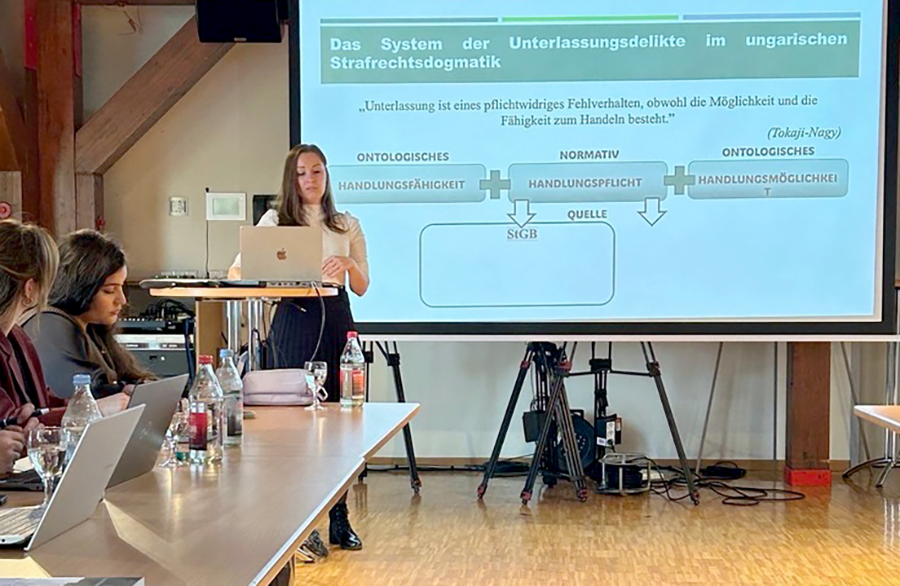
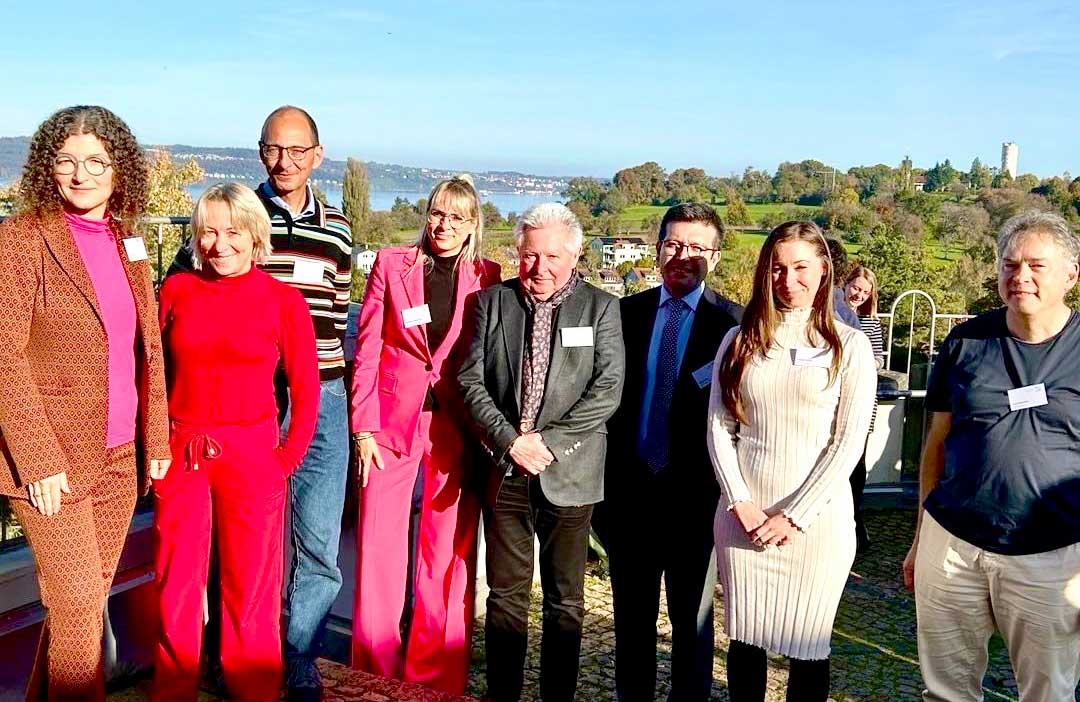
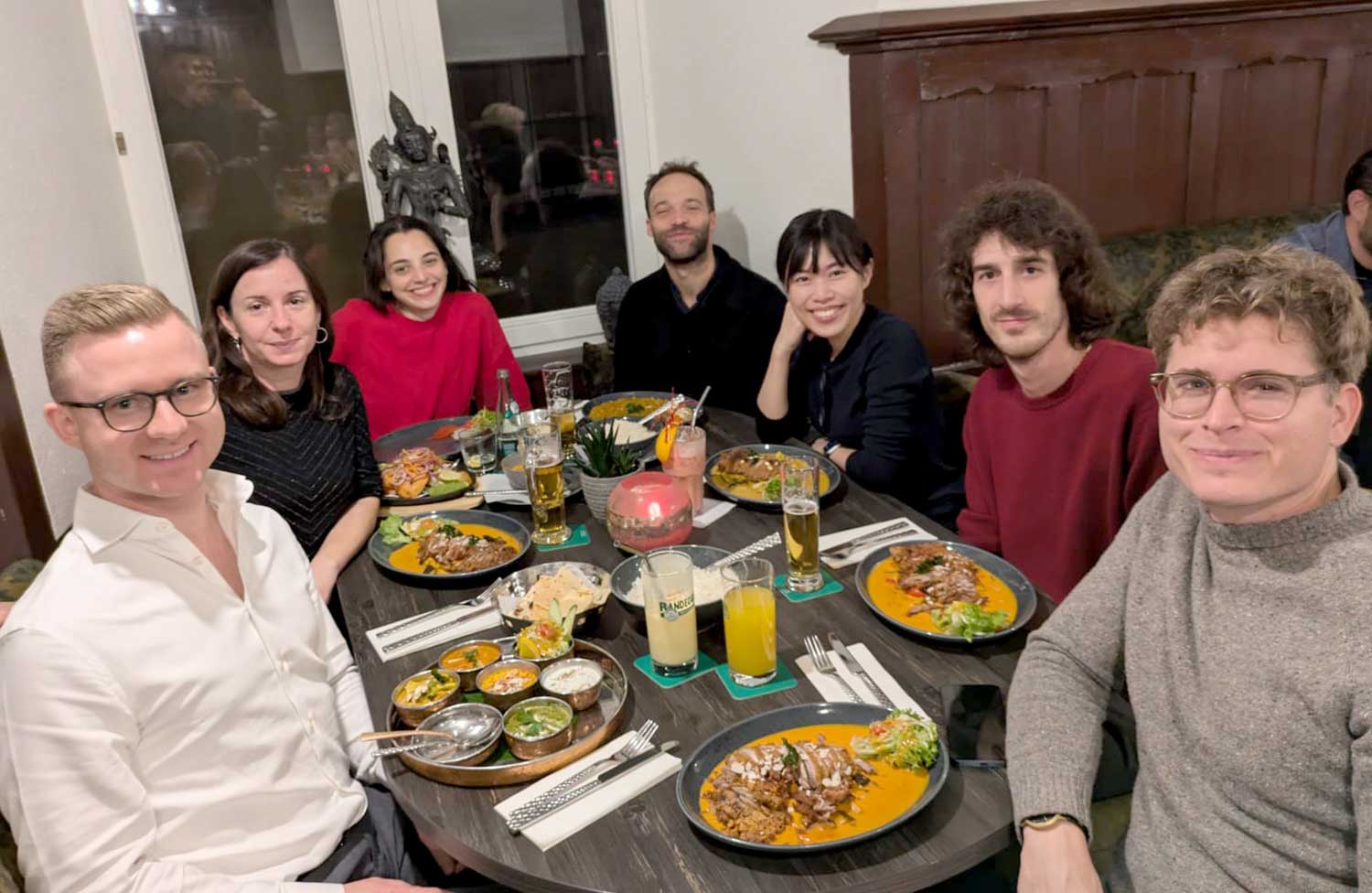
The first session took place on 21 and 22 October 2024. The focus was on the comparative legal view of punishable omission in other legal systems as well as dogmatic and philosophical problem areas in criminal law, which are to be analyzed in greater depth in the future. National and international cooperation partners from various disciplines (participation confirmed) were Liane Wörner (Legal Theorist, Konstanz), Thomas Müller (Theoretical Philosophy, Logic, Konstanz), Heinz Koriath (Criminal Law Dogmatics, Philosophy of Law, Saarland University), Ulla Wessels (Practical Philosophy, Saarland University), Eirliani Abdul Rahman (Political Science, Political Theory, Harvard University/US), Noelia Martínez Doallo (Comparative Law, Bioethics, University of A Coruna, Spain), Ingeborg Zerbes, (Director of the Institute of Criminal Sciences, University of Vienna), Selman Dursun (Director of the Criminal Law Institute in Istanbul) and Serdar Talas (Istanbul).
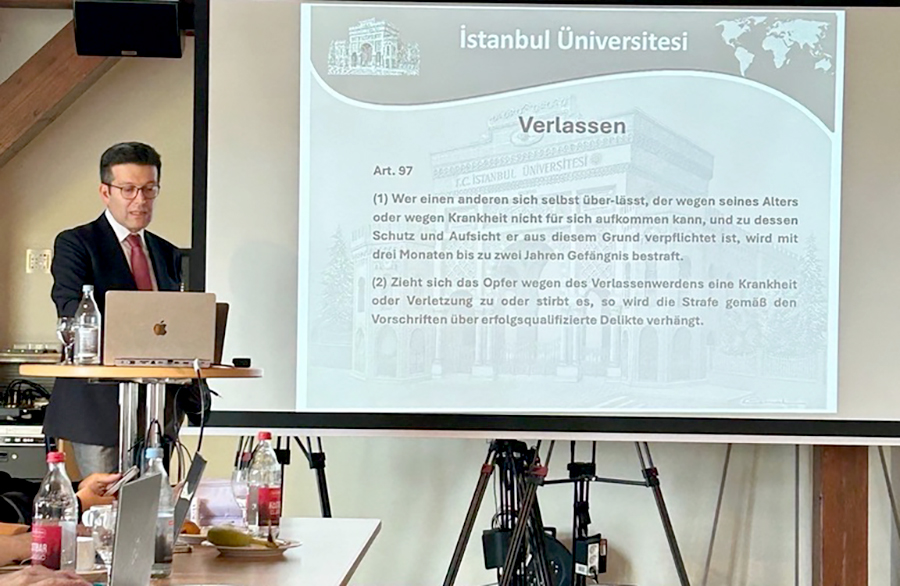
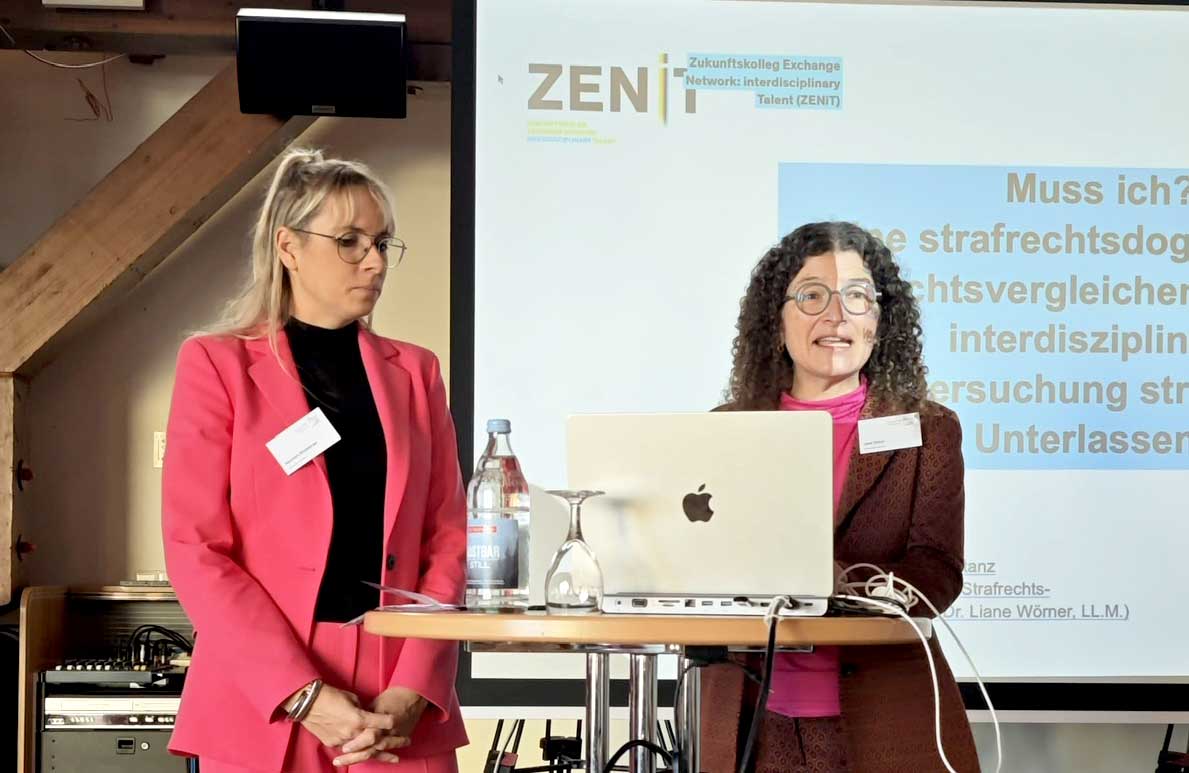

The latest conference on 19-21 September 2025 primarily focused on the philosophical and theoretical foundations of criminal law. Jan Schuhr (Criminal Law, Heidelberg) spoke on the principle of certainty in the context of Section 13 German Criminal Code; Vuko Andric (Practical Philosophy, Sweden) on “Rule consequentialism and omission”; Helge Rückert (Theoretical Philosophy, Mannheim) on “The logical analysis of counterfactual conditionals”; Yannick Muskalla (Computer Science and Philosophy) on “Causal explanations”; Holger Sturm (Theoretical Philosophy, Saarbrücken) on “The ontological status of omission”; Serdar Talas (Criminal Law, Turkey) on “The distinction between action and omission”; and Erzsébet Molnár (Criminal Law, Hungary) on “The ontological status of omission from a Hungarian perspective”.
I employ two research assistants who support the planning and implementation of the workshops and conferences and provide academic assistance. In the future, further trips abroad and research stays are planned to deepen the comparative law perspectives.
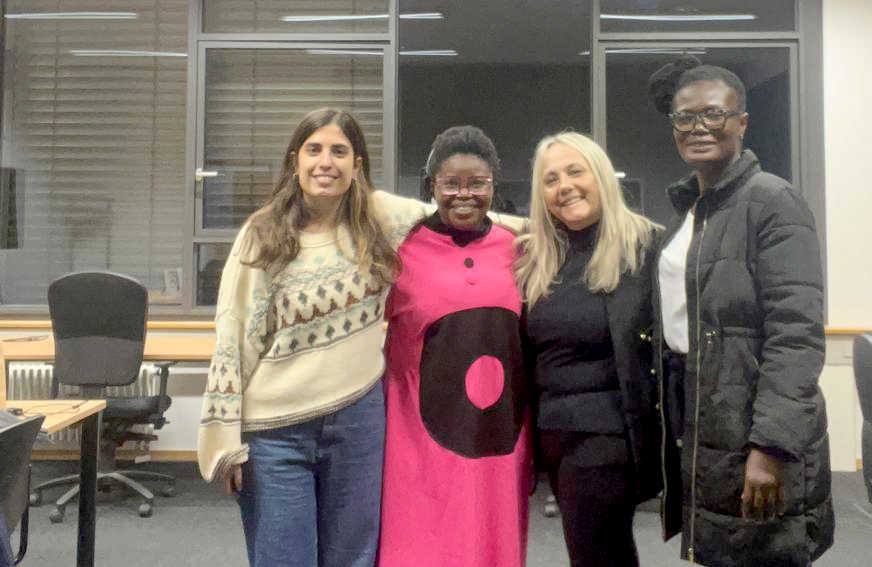
Abena Yalley
ZENiT Project “The Politics of Reproduction Across Cultures: Obstetric Violence, Mental Health and Narrative Exposure Therapy in Africa, Europe and Latin America”
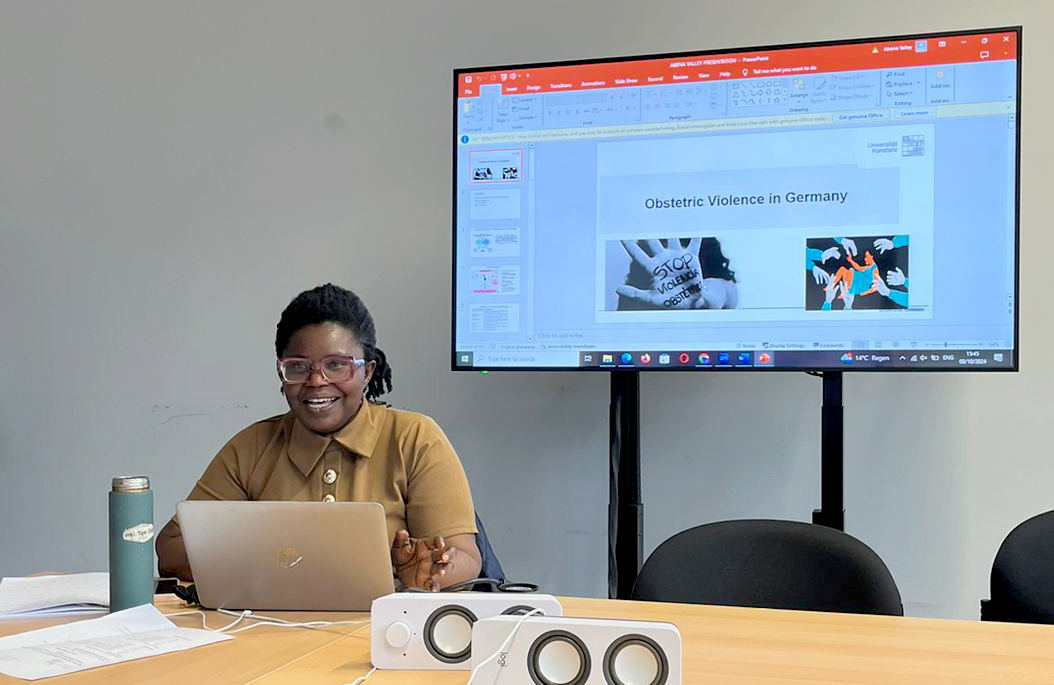
The interdisciplinary ZENiT project seeks to investigate the mental health impacts of obstetric violence and subsequently adapt the Narrative Exposure Therapy (NET) intervention to support affected individuals. The project brings together a multidisciplinary team comprising scholars from psychology, sociology, gender studies and midwifery, fostering a holistic approach to research and intervention design. Project activities commenced with two virtual planning meetings, where implementation strategies were outlined for the three-year project timeline. This was followed by an in-person workshop held in Konstanz from 16 to 20 October 2024. The first part of the workshop focused on reviewing existing research and identifying gaps in the literature on obstetric violence in four countries under study – Ghana, Argentina, Brazil and Germany.
Key presentations included Theodora Azu (University of Cape Coast, Ghana), who examined the current state of obstetric violence in Ghanaian healthcare systems; Leila Abdala (National University of Rafaela, Argentina), who explored medical metaphors and the anthropology of reproduction; and Lizandra Flores (Oswaldo Cruz Foundation, Brazil), who gave a presentation on the medicalization of childbirth in Brazil. The final two presentations, delivered by Abena Yalley and Pihal Deepak (International Institute for Population Sciences, India), addressed obstetric violence in high-income countries and the associated mental health impacts in the Indian context. The second half of the Konstanz workshop focused on finalizing the research instruments to be used in fieldwork and included training sessions for all team members on the diagnosis of Post-Traumatic Stress Disorder (PTSD) as well as the ethical dimensions of psychological research.
Following the workshop, the research team launched a comparative scoping review on obstetric violence, which was aimed at (1) synthesizing data on the prevalence of obstetric violence and (2) exploring its various manifestations across the selected countries. A comprehensive search was conducted across ten international and local databases, followed by the rigorous screening and selection of relevant studies for analysis.
Preparations for the data collection phase commenced in early 2025. These preparations include the submission of ethics applications, the translation of research instruments and the digitization of data collection tools using Questionstar, a secure online platform. Fieldwork across Ghana, Argentina, Brazil and Germany was scheduled for October 2025.